It is not the country's top tourist destination: Bosnia's second largest city, Banja Luka. But it really is worth a visit - wide boulevards, green parks, hot springs and a wide variety of architectural influences. Banja Luka is very different from Sarajevo or Mostar, but no less exciting.
I have been living in Bosnia and Herzegovina for three years now and have learnt to love the city. Yes, Banja Luka perhaps has a somewhat quieter charm that reveals itself when you take a little time to explore the city, from the Kastel fortress on the Vrbas river to its excellent restaurants. But if you take your time, I'm sure Banja Luka will pleasantly surprise you.
No time for the whole article?
 Be sure to watch: Kastel Fortress, hot springs, Mariastern Abbey, Gospodska Street
 Food: Banjalučki Ćevapi
 Accommodation: Hotel Ideja or Courtyard by Marriott Banja Luka
 Best tour: city tour, Rafting tour or Dajak trip on the Vrbas
 How long? Two to three nights
 Getting there: From Zagreb by Bus or hire car or by Flight with WizzAir and RyanAir to Banja Luka Airport
Banja Luka: An overview
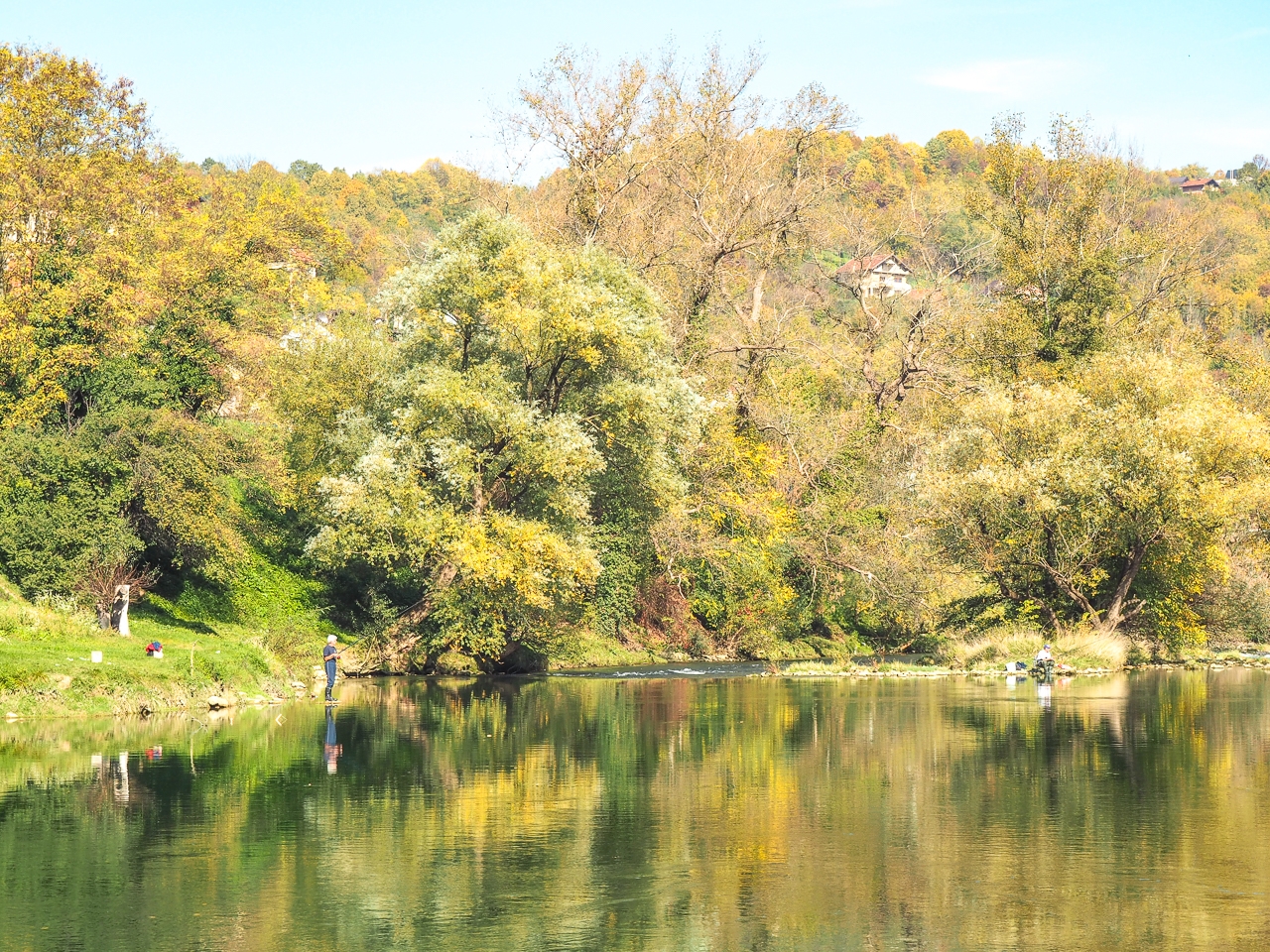
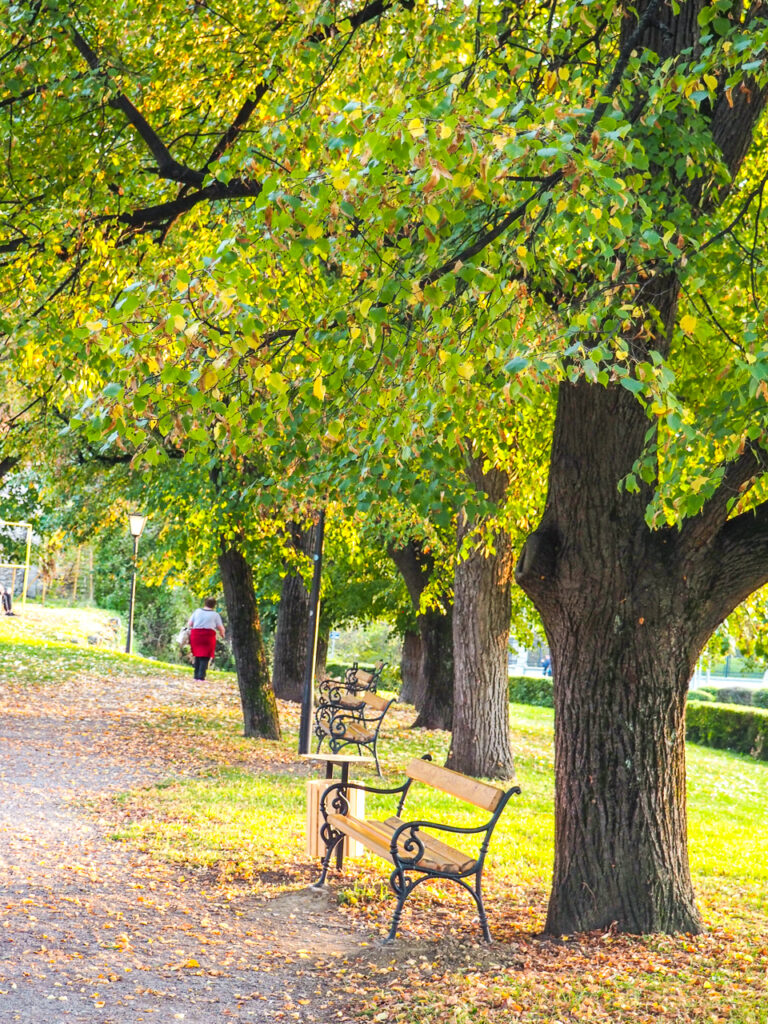
Banja Luka is located in the north-west of Bosnia and Herzegovina and is picturesquely situated on the Vrbas River. It is the second largest city in Bosnia and Herzegovina and the largest city in the Republika Srpska entity. As the traditional centre of the Bosanska Krajina region in the north-west of the country, it combines a great deal of culture and history. Around 185,000 inhabitants live in the "Green City" - a nickname it bears because of its many parks.
Banja Luka was already inhabited in Roman times, as evidenced by the Kastel fortress in the city centre. Later, the Ottomans, Austrians and Yugoslavia characterised the cityscape and urban culture. In 1969, Banja Luka was severely damaged by two major earthquakes - unfortunately, much of the old architecture is no longer preserved, but the city was rebuilt with donations from all over Yugoslavia.
Banja Luka - how many days?
If you want to discover Banja Luka, I would recommend two nights to explore the most beautiful sights. If you want to travel slowly and comfortably, then maybe three. That way you can also explore the surrounding area, go hiking in Kozara National Park or simply soak up the vibe of this cosy town in one of the many cafés. You can combine a visit to Banja Luka with Bihać or Jajce or even Zagreb in Croatia.
The most beautiful Banja Luka sights
Although not a large city, Banja Luka has an incredible amount of nature, culture and culinary delights to offer. I have now been to the city three times and have collected the best sights in and around Banja Luka.
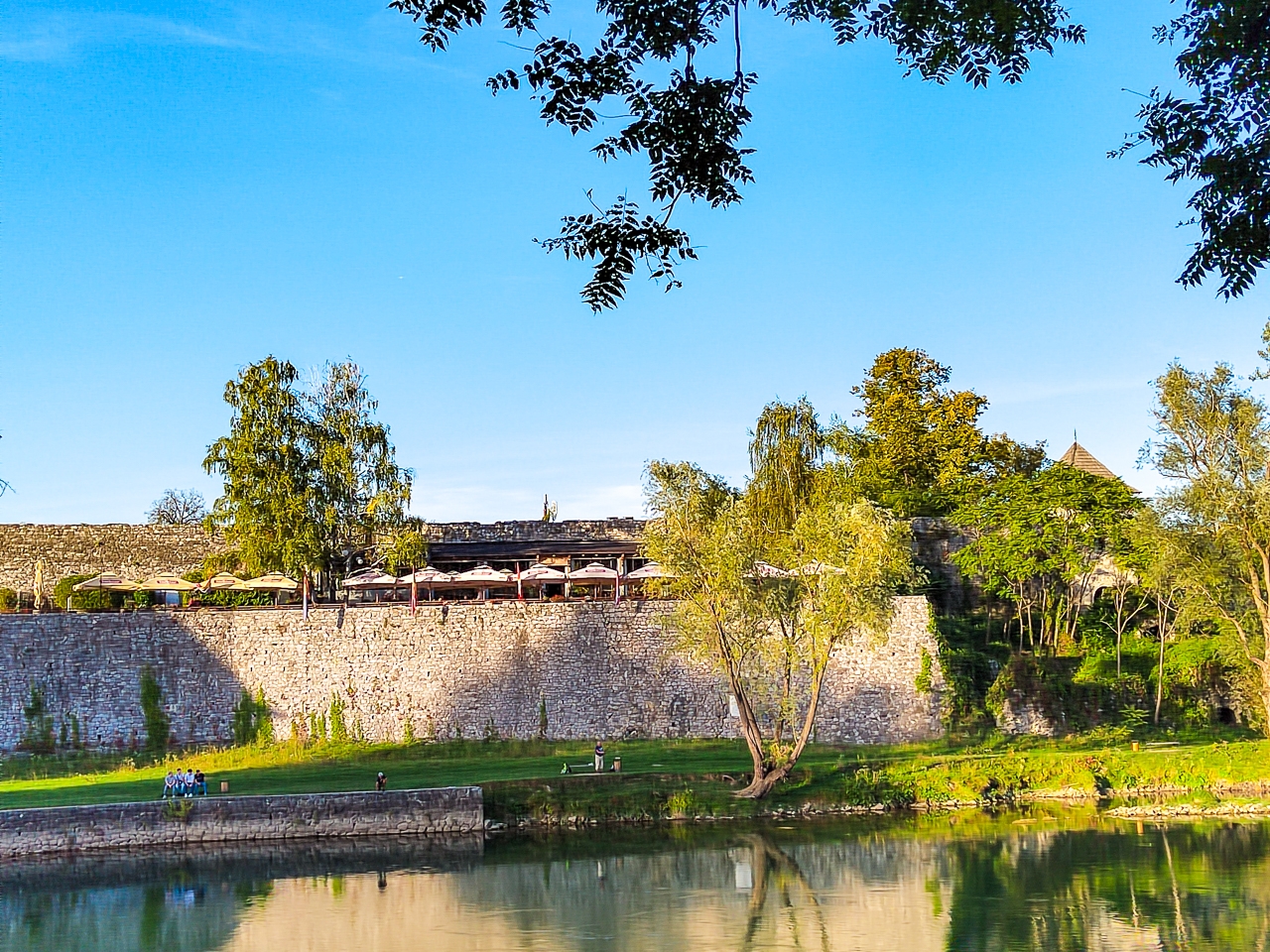
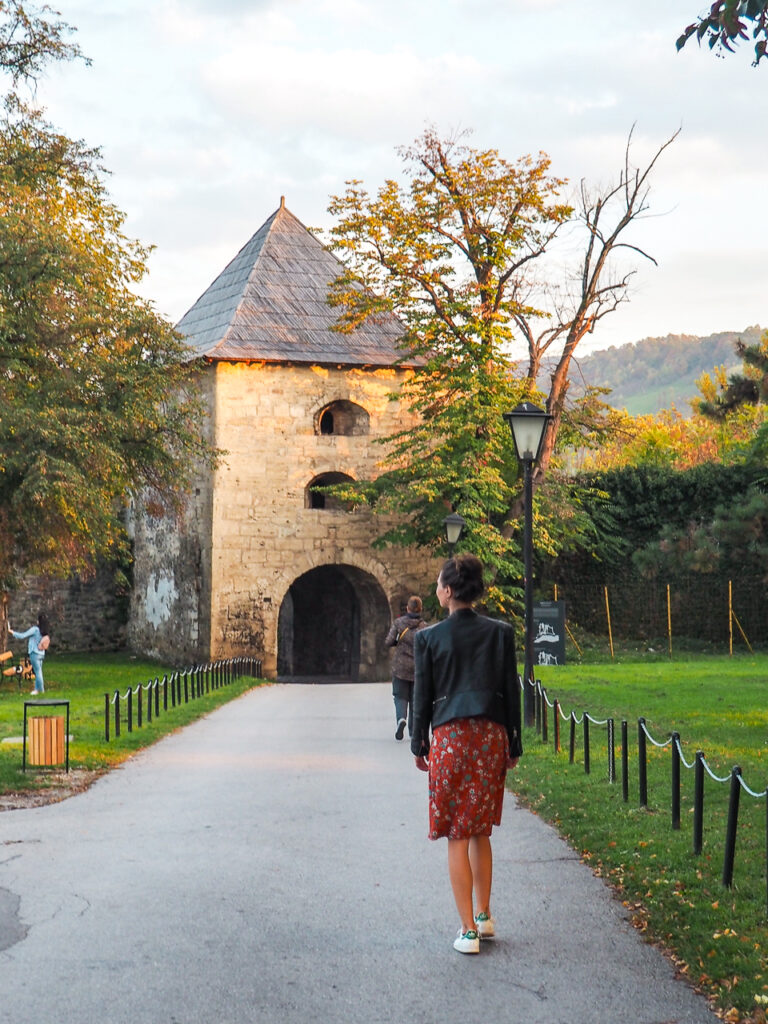
Kastel Fortress
Kastel Fortress is one of the oldest sights in Banja Luka dating back to the Roman Empire, when the salt route ran through the town. Since 2012, parts of the large building complex directly on the banks of the Vrbas have been reconstructed and you can walk around the grounds. This is particularly beautiful at sunset.
And another foodie tip: the old prison within the fortress walls houses a traditional restaurant Kazamat - definitely worth a visit for the atmosphere and menu.
My tip, to better understand Banja Luka's complex history? One City tour with a local guidewho can give you a lot of background knowledge and some insider tips along the way!
Window shopping on Gospodska Street
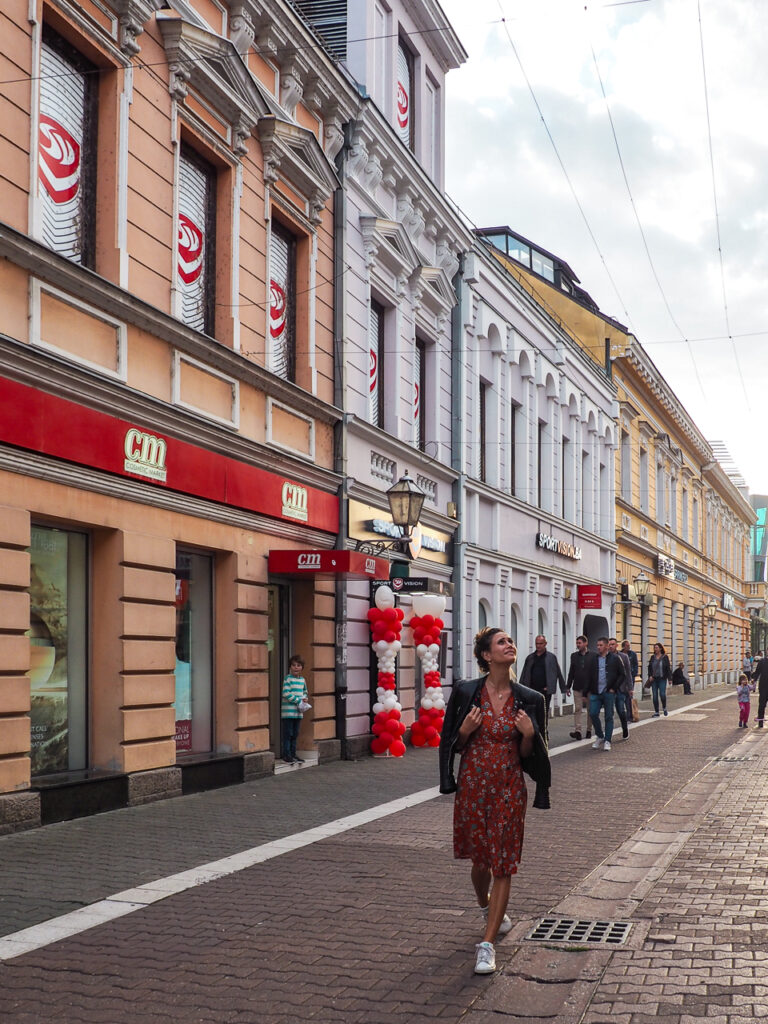
Gentleman Street, as Veselina Masleše Street in the centre of Banja Luka is also known, is the city's main pedestrian zone and the perfect place for window shopping or observing the people of Banja Luka.
The entire street is lined with beautiful Art Nouveau façades that survived the earthquake well - and remind me a little of Bitola in North Macedonia. In addition to cafés, you'll find fashion shops and jewellery shops here.
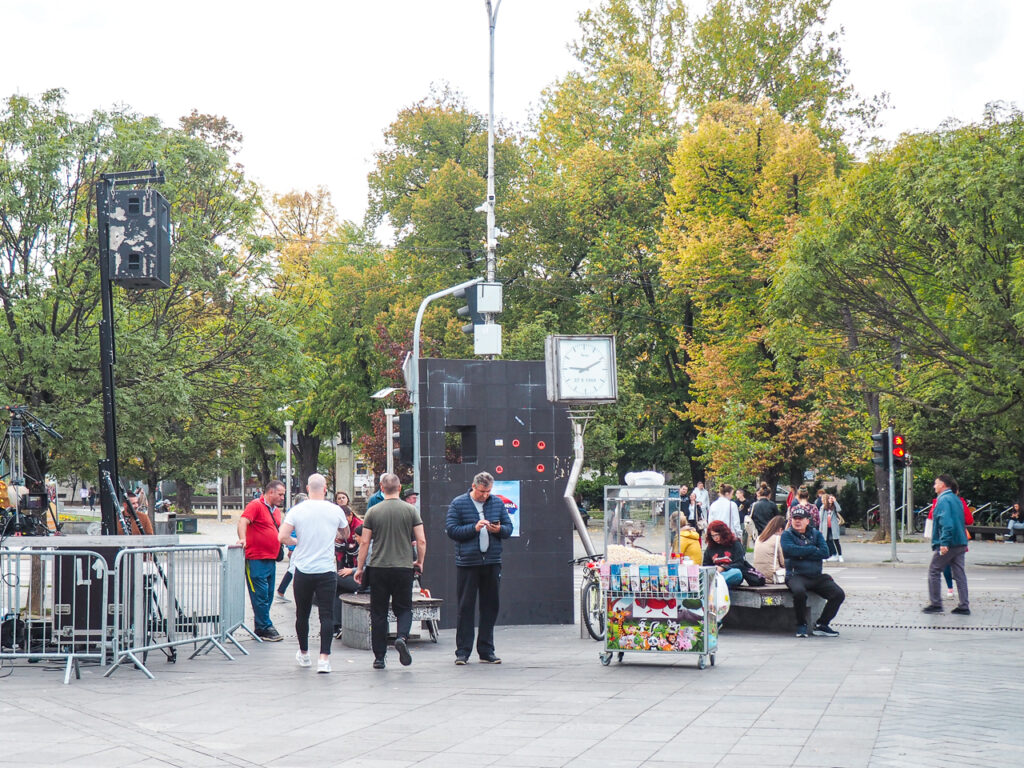
Gospodska ends at Trg Krajine, the square of Krajina, where you can discover the so-called "earthquake clock". It is no longer in use as a clock - its hands are still exactly at the time when the first quake shook the city, so it serves as a memorial object.
Cathedral of Christ the Saviour
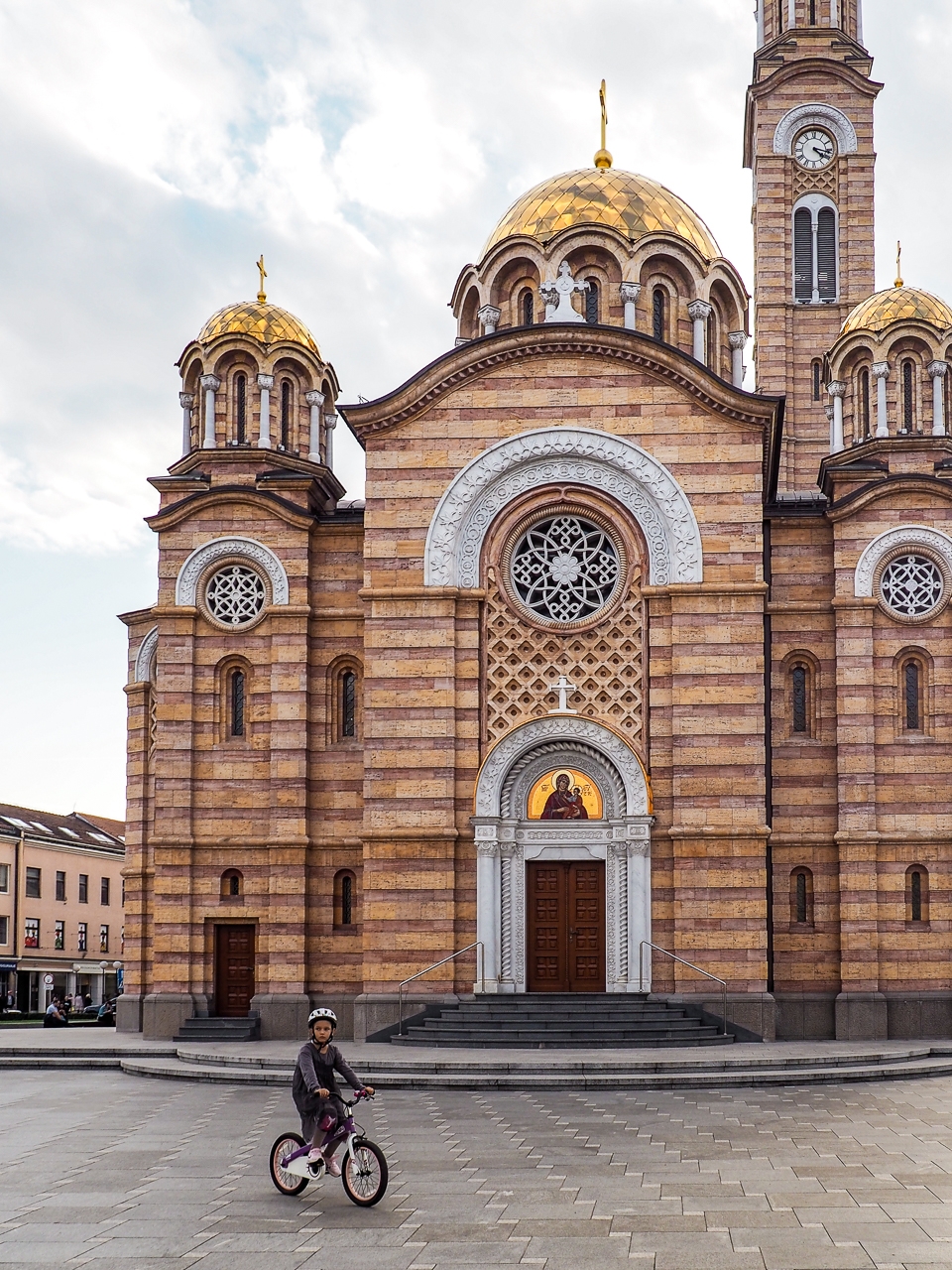
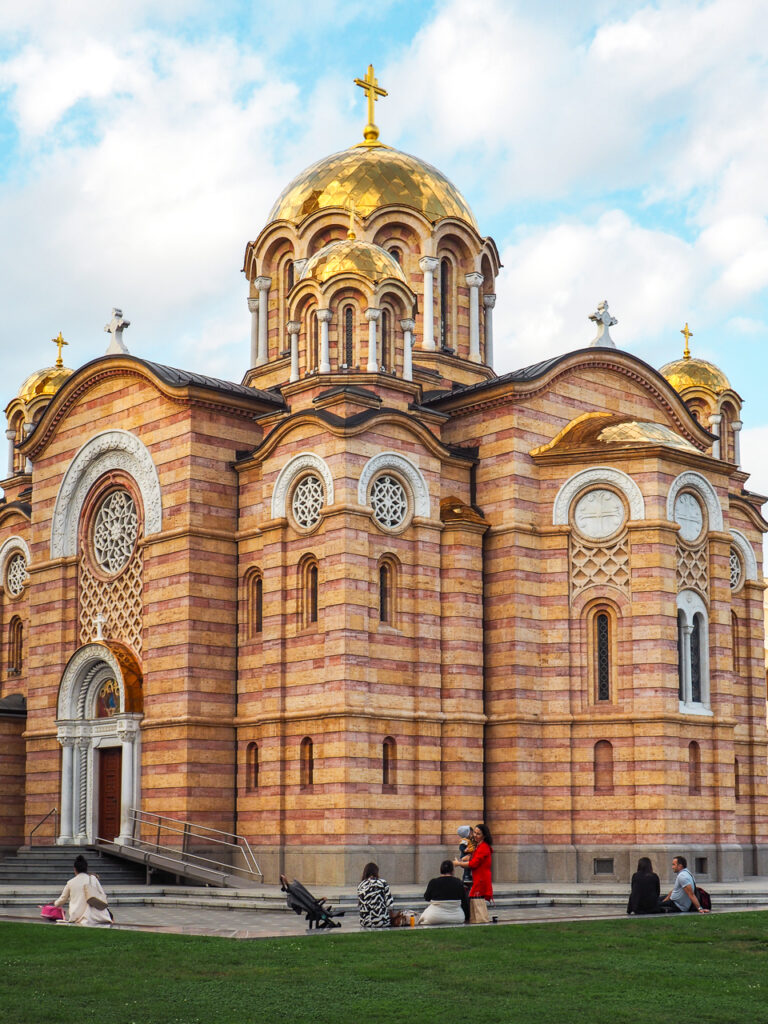
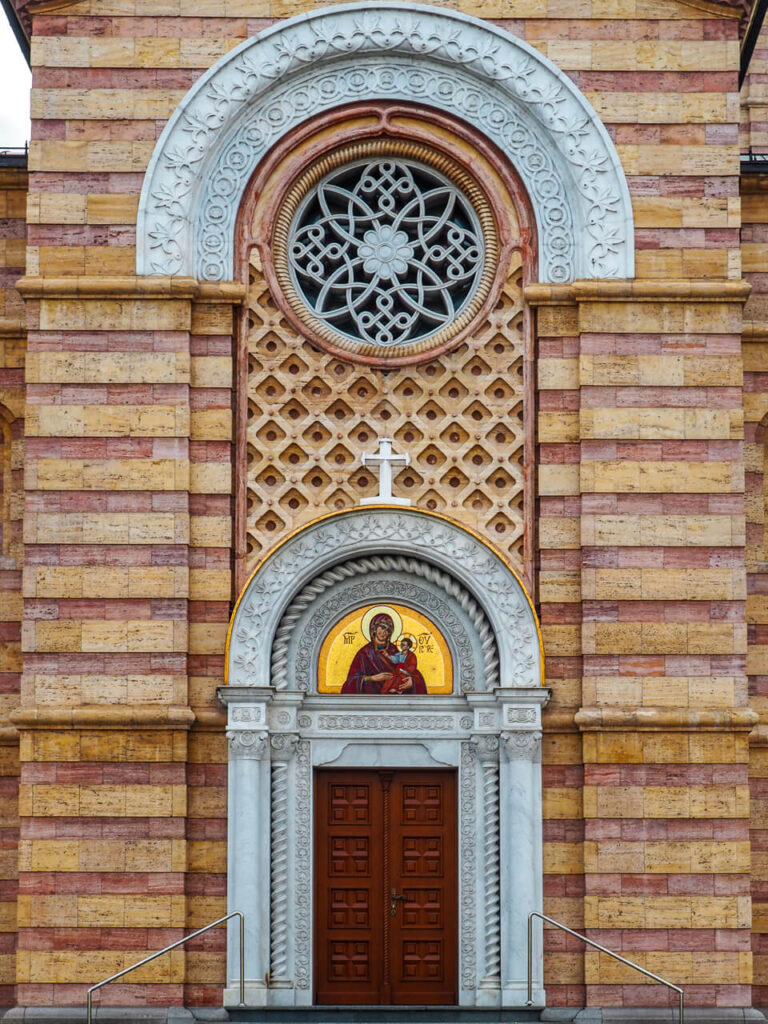
The main church in Banja Luka is the Orthodox Cathedral of Christ the Saviour, which rises majestically into the sky at the other end of the pedestrian zone. It was consecrated in 1925, but was destroyed during the Second World War, first by a German bomber and then by Croatian Nazi collaborators.
From 1993 to 2004, it was rebuilt true to the original using the original materials and consecrated as the Cathedral of Christ the Saviour. The reddish-brown stones with which the cathedral was built come partly from Mesopotamia, and the golden dome, frescoes and icons inside are impressive.
Ferhadija Mosque (Ferhat Pasha Mosque)
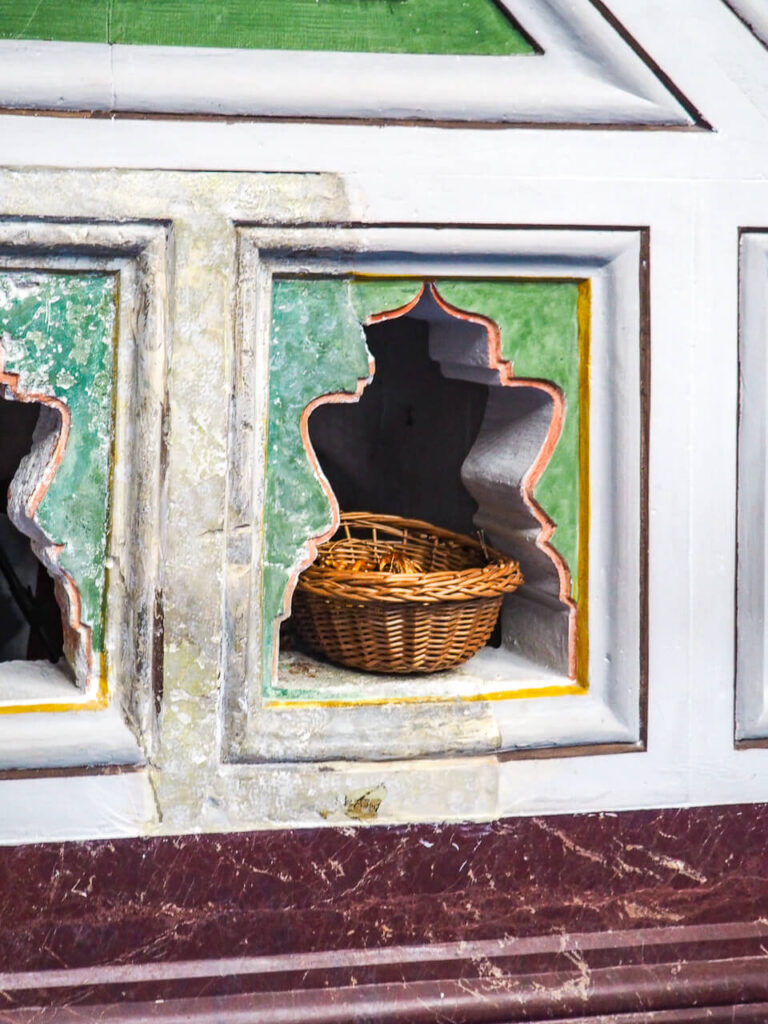
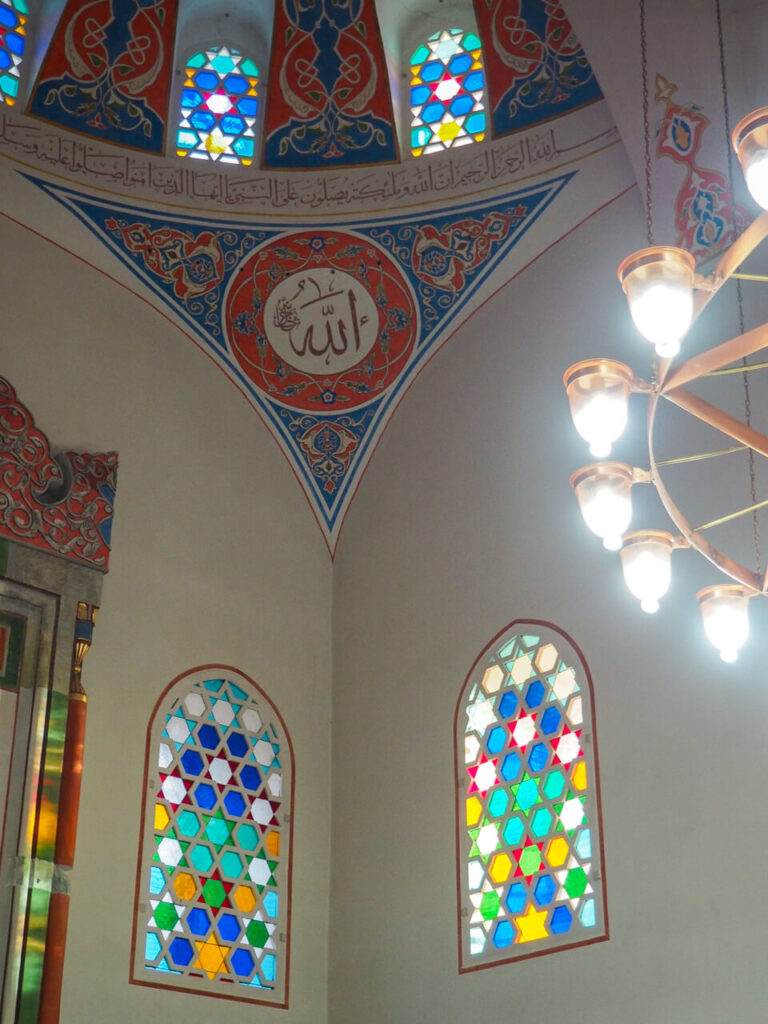
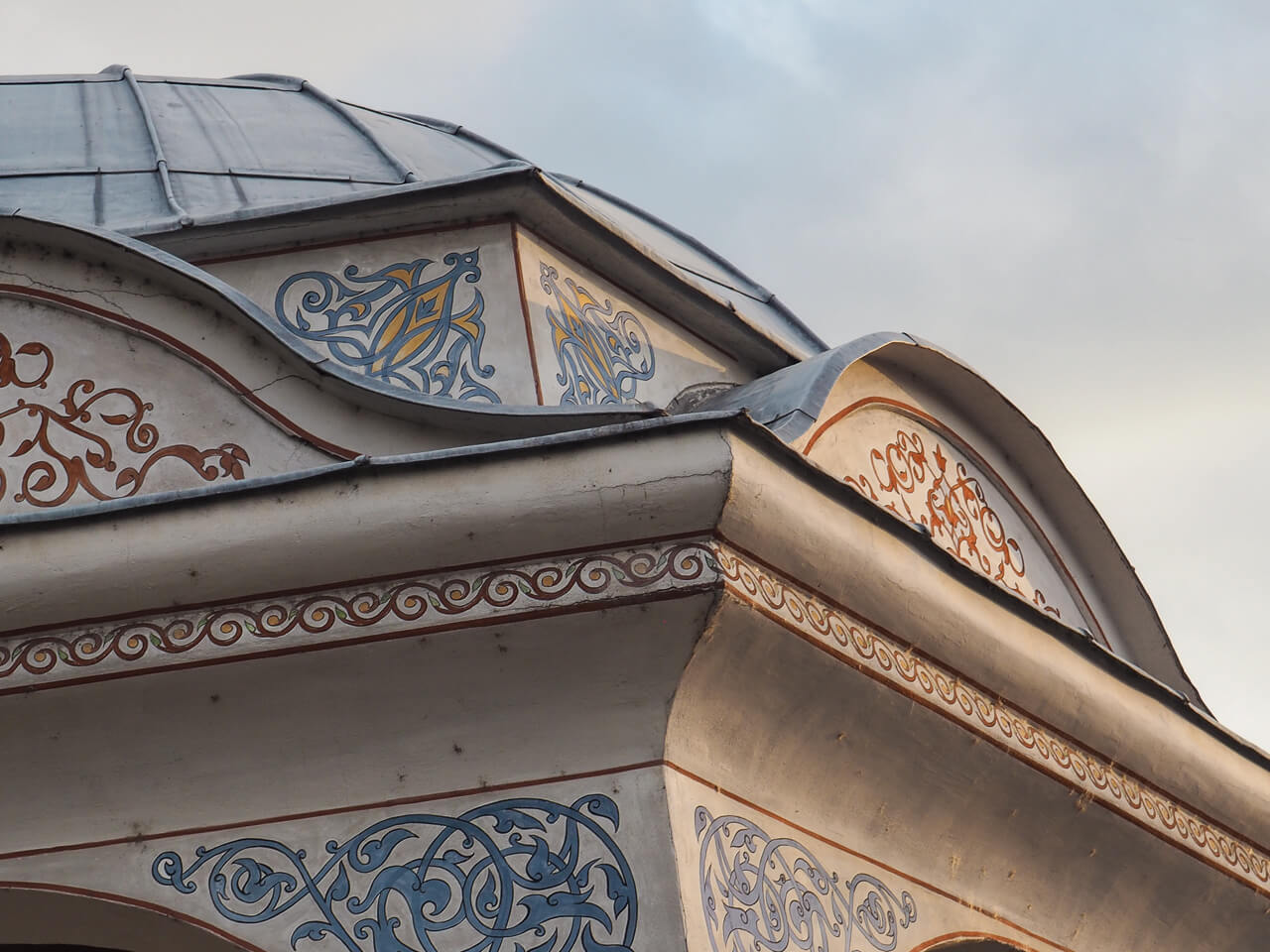
For me personally, the Ferhadija Mosque is one of the most beautiful mosques in Bosnia and Herzegovina. The details and ornaments with their vibrant colours and stained glass windows make it an interesting place of worship. And its history too, of course.
During the Bosnian War of 1992-95, Bosniaks (Bosnian Muslims) and other minorities were expelled from Banja Luka, which at the time was a Serbian centre in Bosnia and Herzegovina and was to be incorporated into a Serbian empire as "ethnically pure". Places of worship and cultural landmarks of other ethnicities and religions were strategically destroyed. This included the Ferhadija Mosque and 16 other mosques in 1993.
Reconstruction began in 2007, largely using original materials that had been found in rubbish dumps or used to repair road damage. The mosque has been open to Banja Luka's small Muslim community again since 2016.
Wine tasting in the village of Markovac
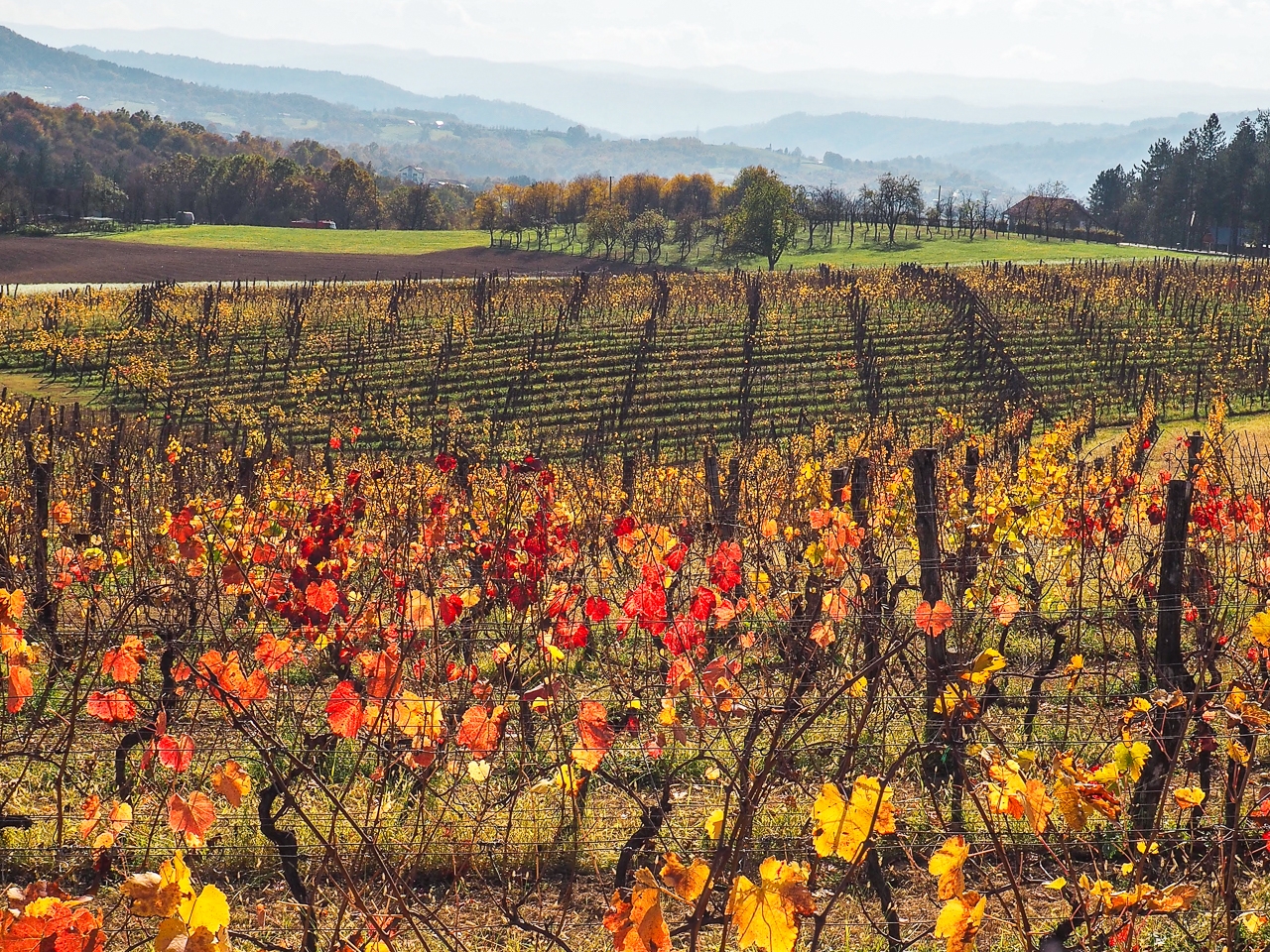
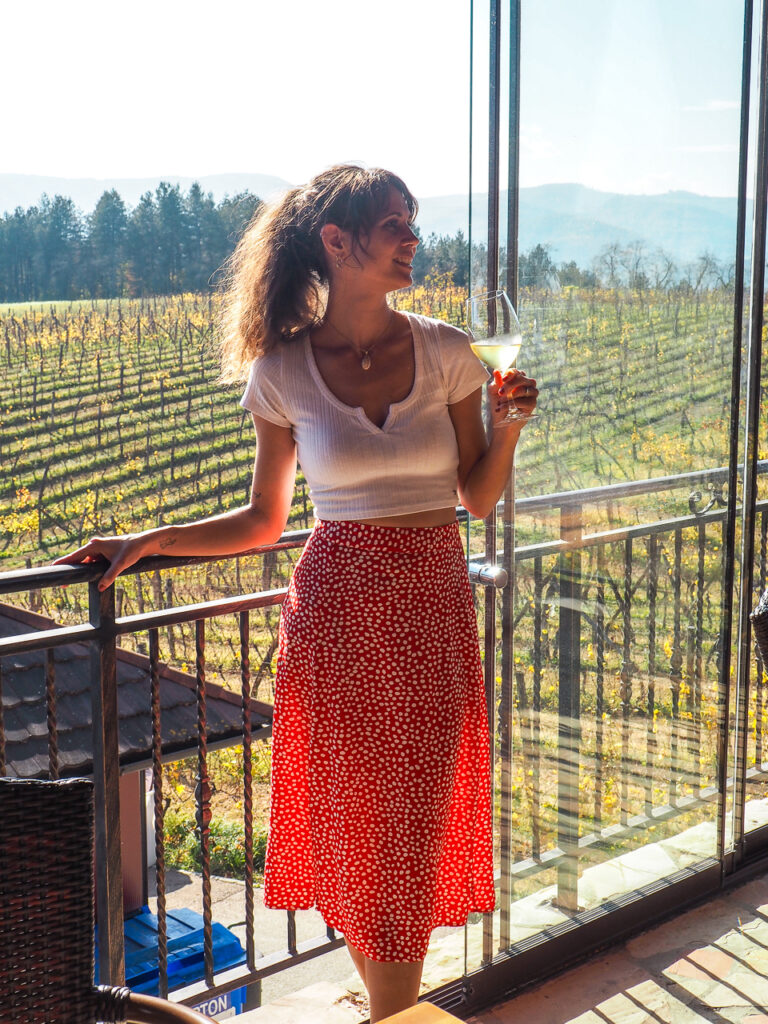
Banja Luka and Bordeaux share the same initial letter - and a similar terroir, i.e. a similar soil composition. This means that the area around Banja Luka is actually well suited for winegrowing. This is why there are several boutique wineries about 20 minutes from Banja Luka that grow grape varieties such as Cabernet Sauvignon, Tamjanika and Vranac.
One of these is the Jungić Winery - Here you can book a guided tour of the cellar, taste wines or have lunch.

Bathing in the hot springs (Srpske Toplice)
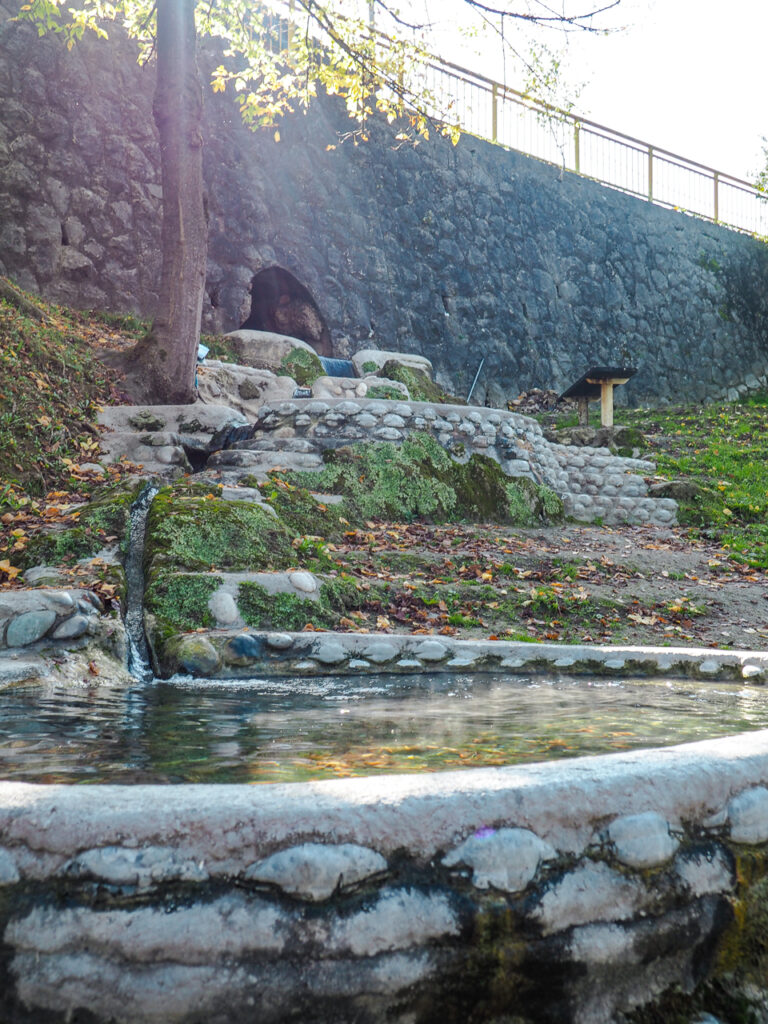
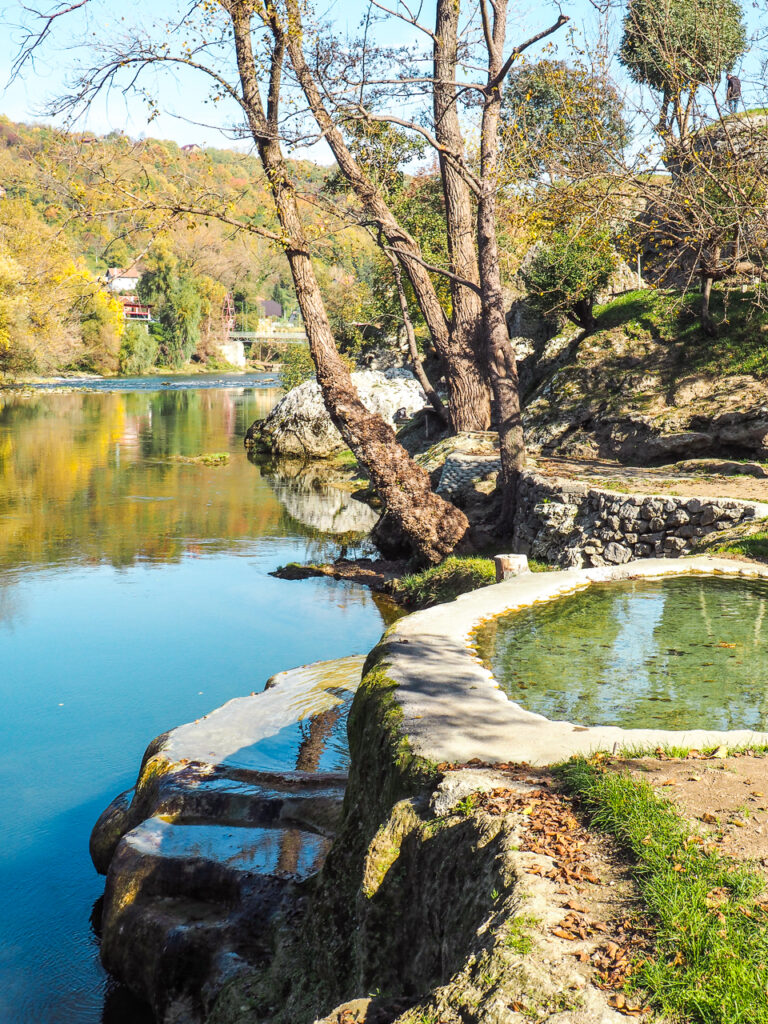
One of the best things to do in Banja Luka: Did you know that there are hot springs near Banja Luka? The whole of Bosnia and Herzegovina has spa towns with healing water springs, but the location of the hot springs here in Banja Luka is particularly great - right on the Vrbas River.
The eight springs around 4 kilometres from the city centre get up to 36 degrees - you shouldn't bathe in them for longer than half an hour to achieve the ideal healing effect, it is recommended. Entry is free and there are now also newly built changing rooms and toilets.
Want more tips and sights in Banja Luka and Bosnia?
I've been living in the country since 2021 and now know it really well - from restaurants and must-sees to real hidden gems!
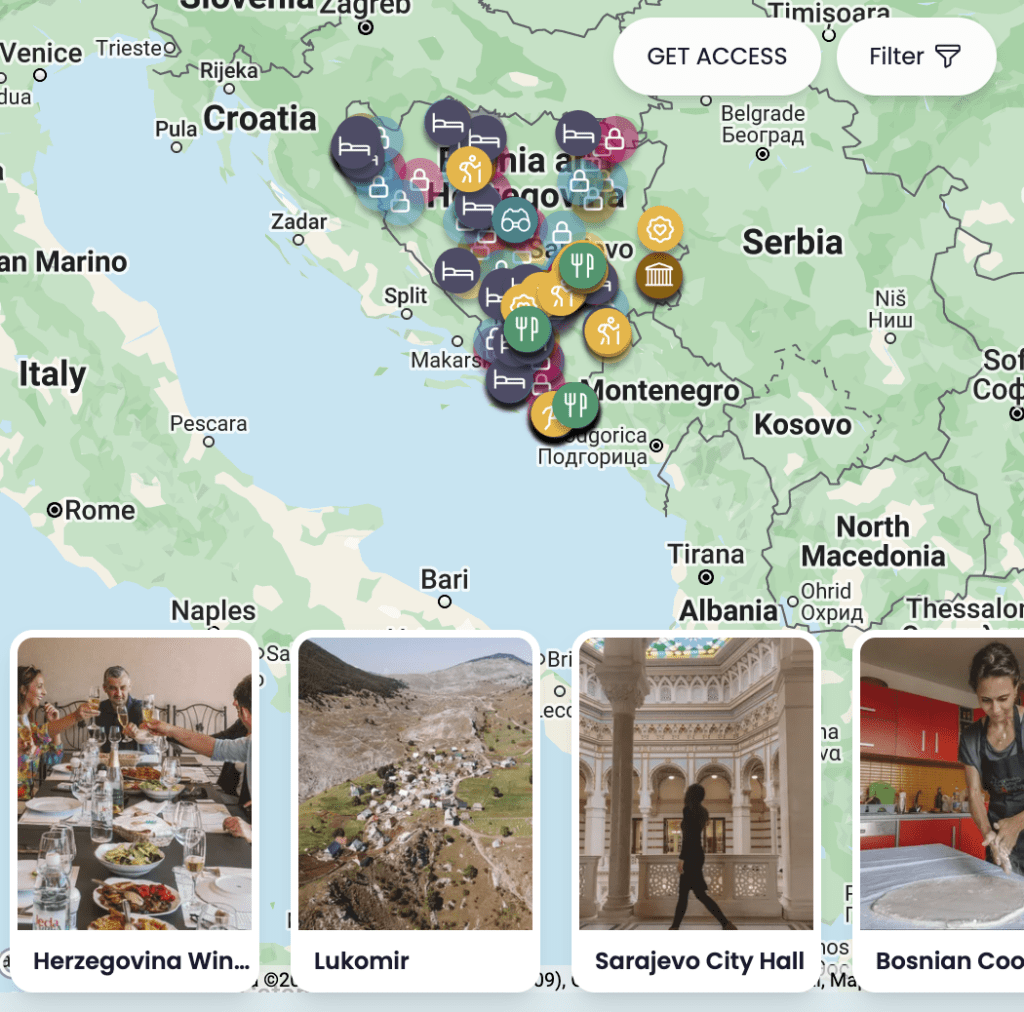
For anyone exploring Bosnia and Herzegovina for the first (or second) time, I've put together this handy travel map and app for you. over 300 spots that you should not miss.
Banjalučki Ćevapi eat
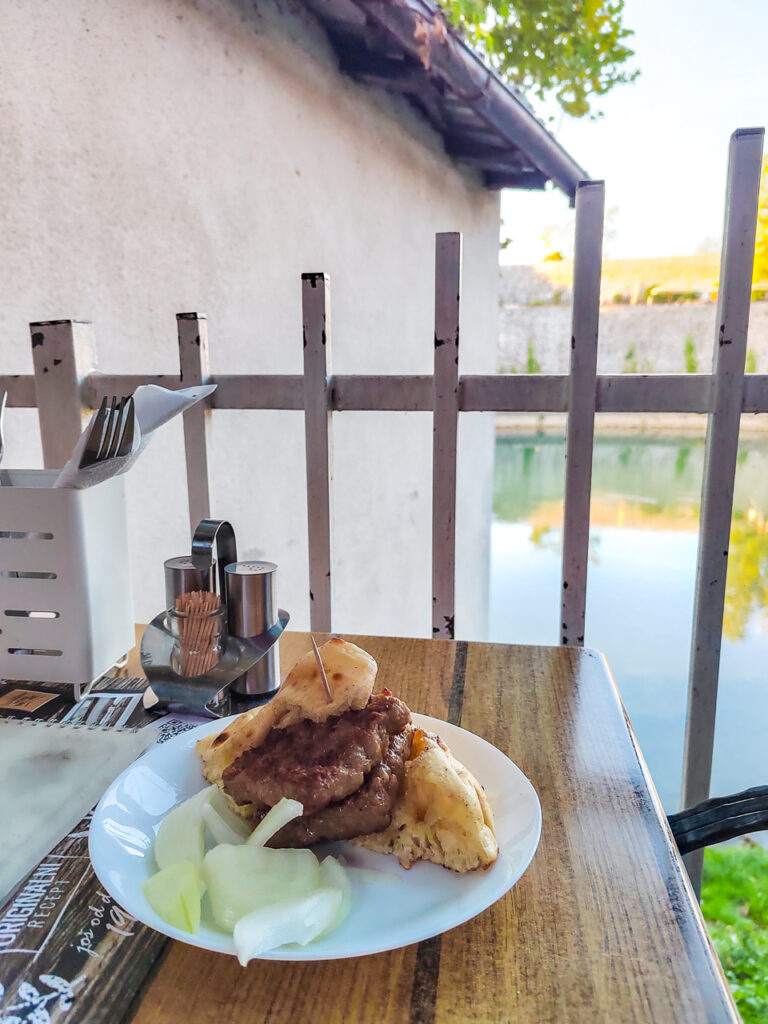
Of course, they are a must when you visit Banja Luka: cevapcici! Here in the north-west of Bosnia and Herzegovina, they are prepared differently to Sarajevo Ćevapi or the meat sausages you can order in Travnik or Tuzla. Traditionally, four Banjalučki Ćevapi stick together - they are made from minced veal and lamb with garlic. Served with onions and lepinja, a flatbread.
The best is at the traditional restaurant Kod Muje. Or if it's full there, directly opposite in the Biljana restaurant.
Trappist cheese in the Trappist abbey Marija-Zvijezda Buy
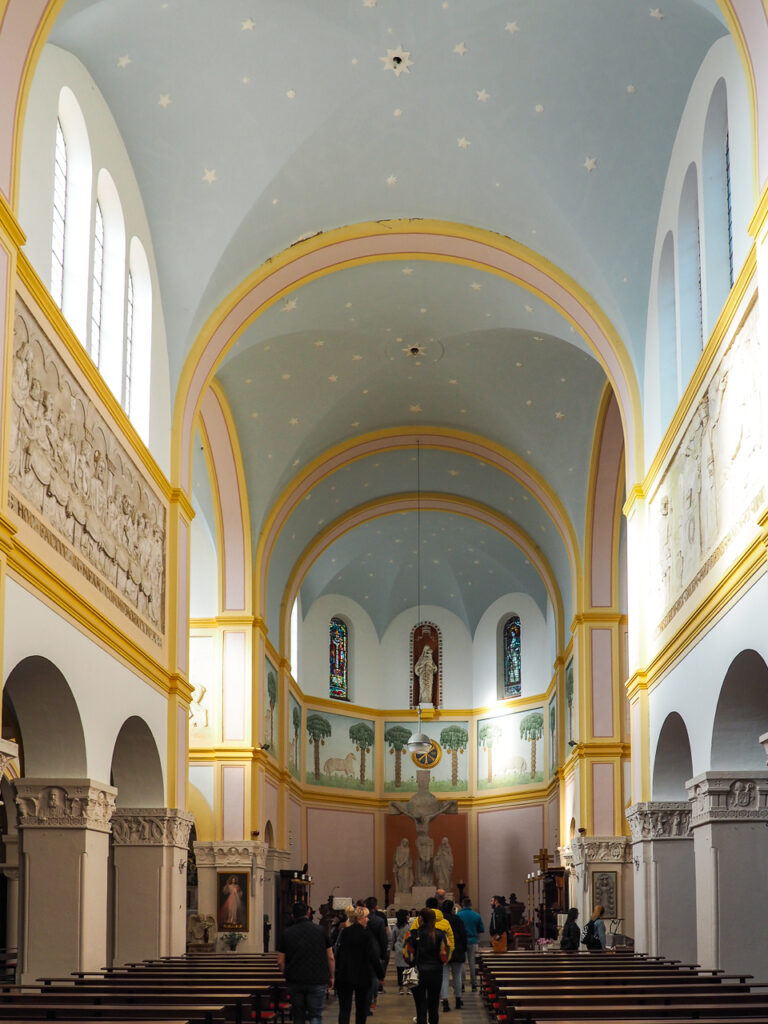
In 1869, the German Trappist Franz Pfanner founded an abbey here in Banja Luka, which is now only six kilometres from the city centre. Once a flourishing centre - the largest of its kind for Trappists worldwide - only one monk still lives here today. Nevertheless, the unique Trappist cheese is still produced here: A mild cheese made from cow's milk that can only be found here in Bosnia and Herzegovina, France and Belgium.
This attraction in Banja Luka is located just outside the city centre, but is well worth a visit. You can go there by car, or take a relaxed cycle ride along the Vrbas.
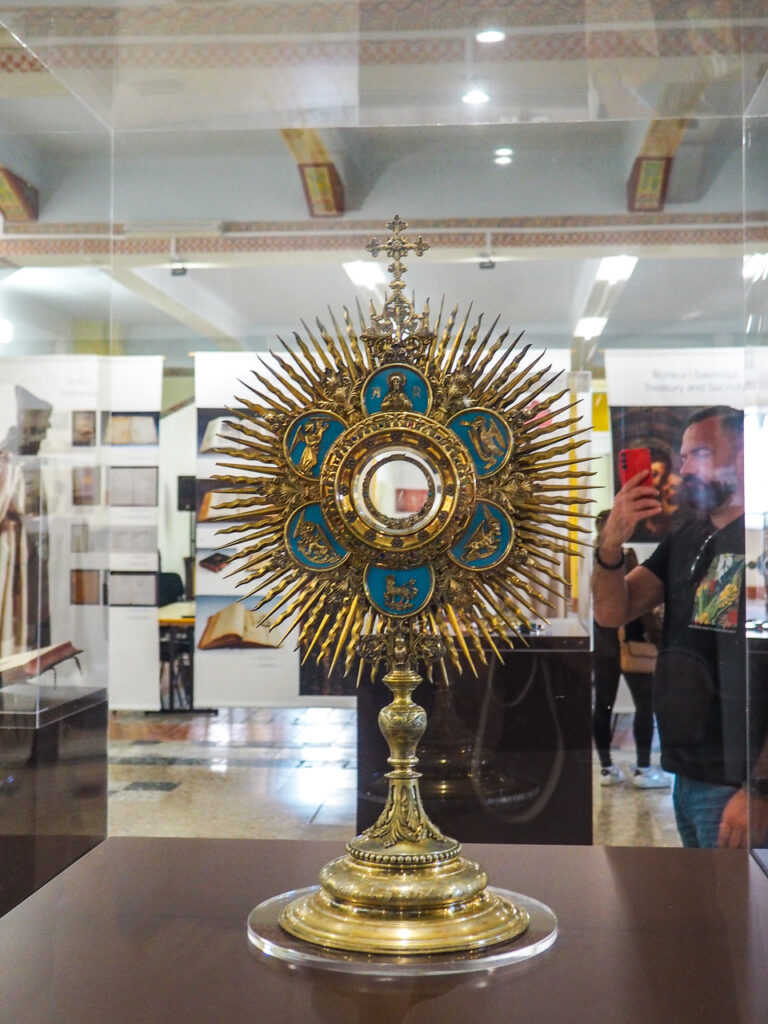
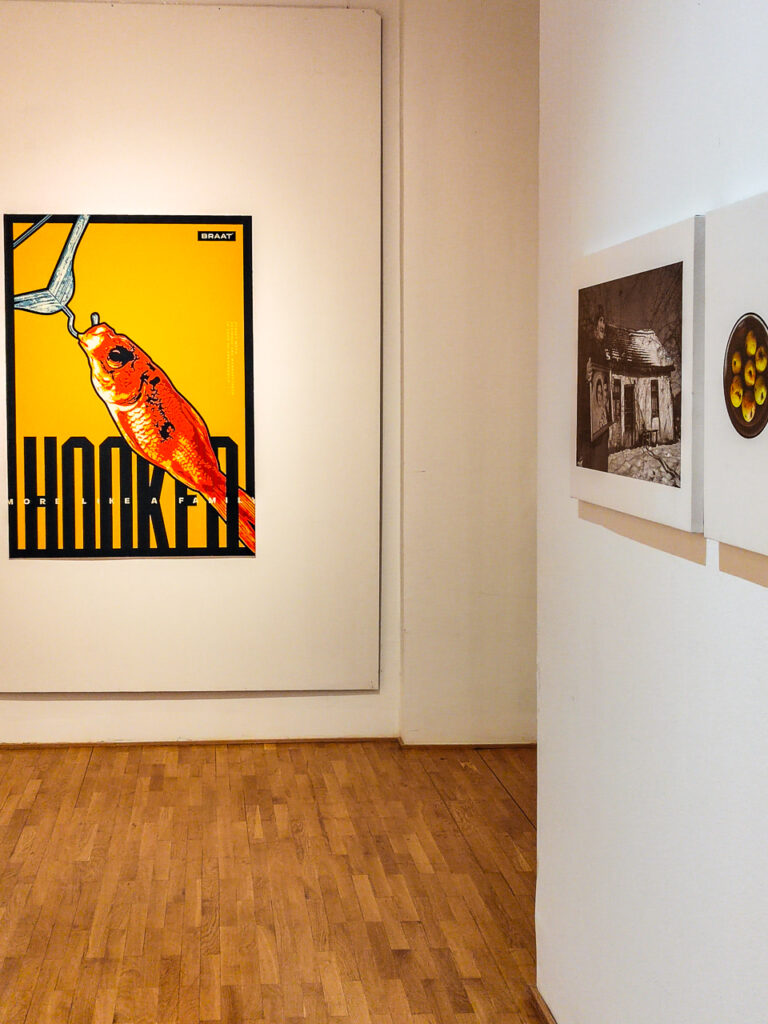
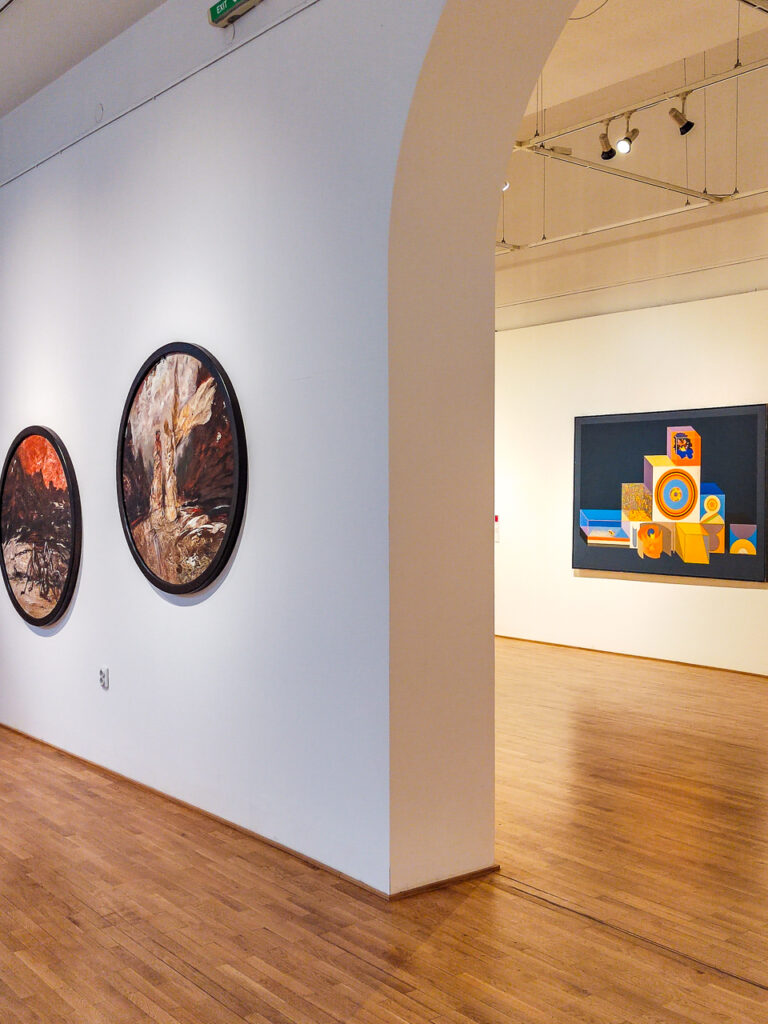
Visit the Museum of Contemporary Art
Even from the outside, the old railway station building from the Austro-Hungarian era is impressive. Many tourists will certainly not go inside, but I can recommend it to you.
The interior of the building, which dates back to 1891, has been restored in a modern style and, in addition to international artists, the works of artists from Banja Luka and the Republika Srpska are mainly exhibited here. There is no entrance fee to the museum. A perfect Banja Luka attraction for budget travellers!
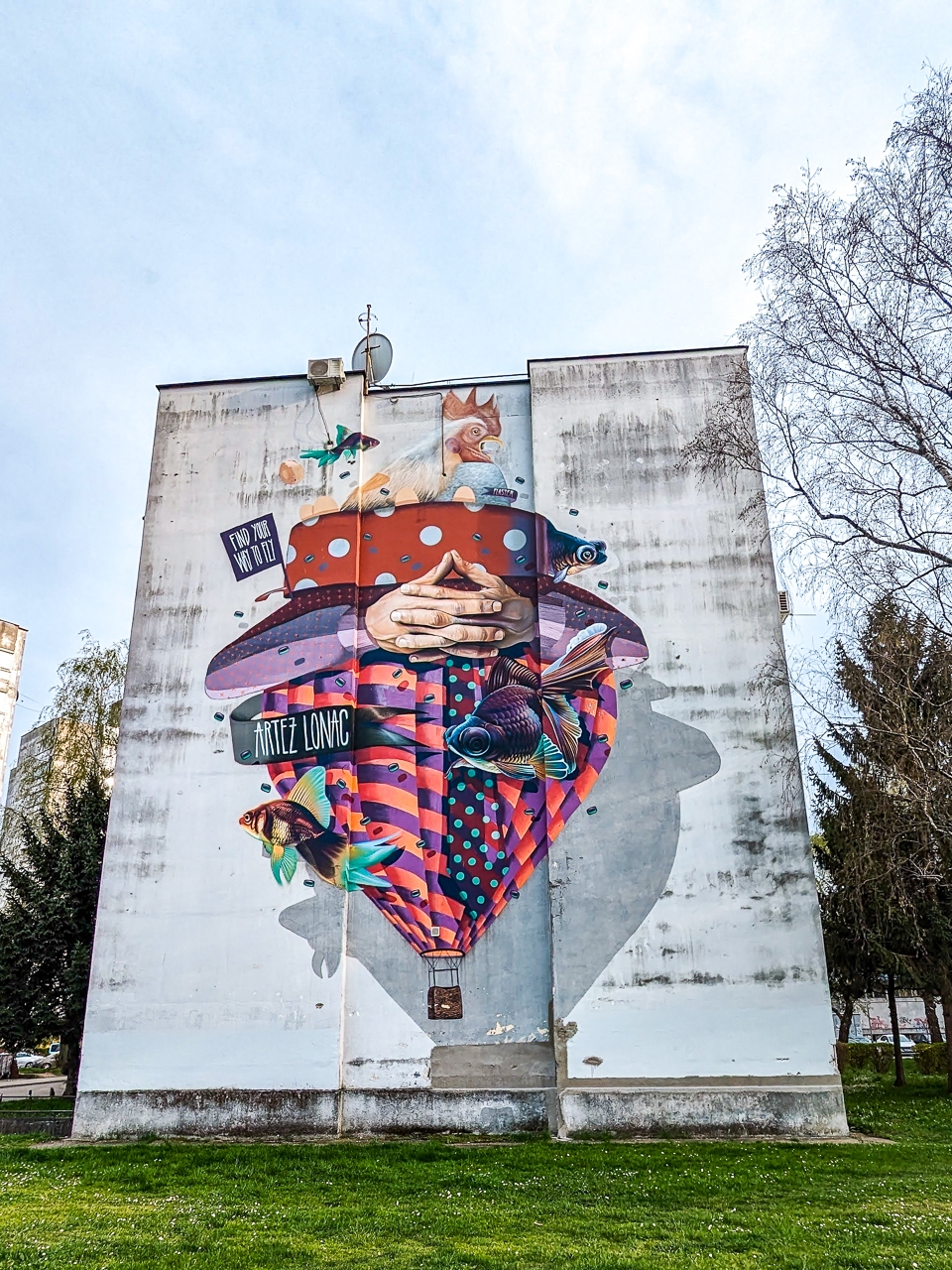
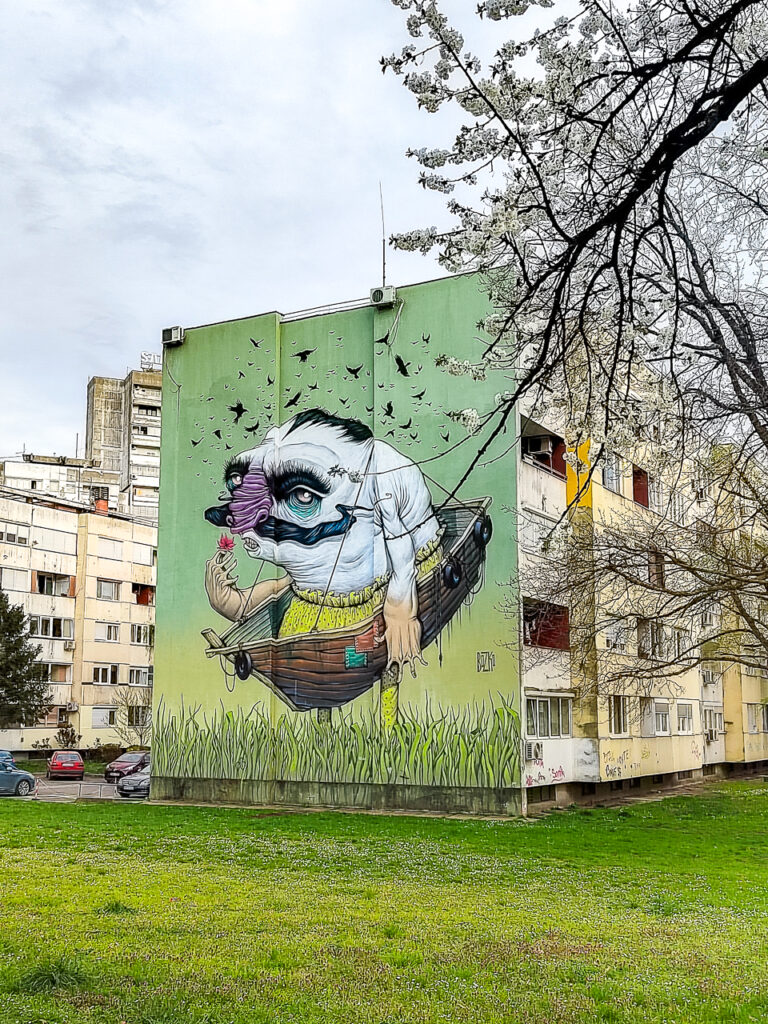
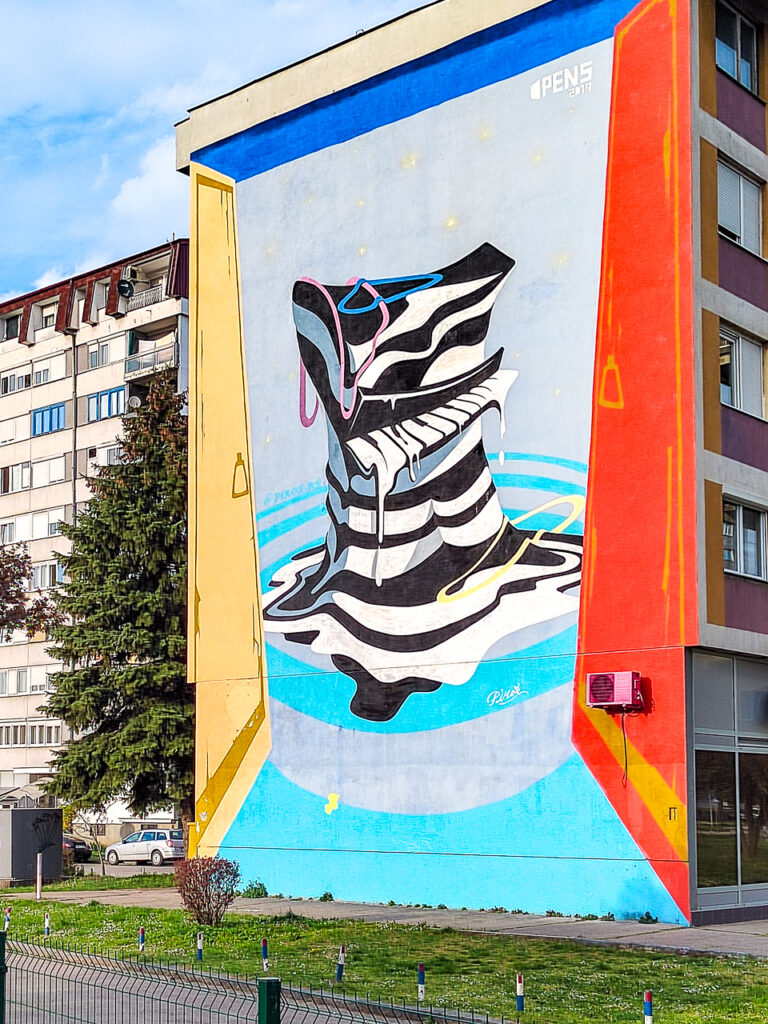
Admire street art in Borik
Borik is one of the newer neighbourhoods of Banja Luka, which was built after the earthquake. So you won't discover anything "special" here and many tourists would probably not even come to the residential area. But the many murals on the facades make Borik an interesting destination. What's more, the neighbourhood is located right in the heart of Banja Luka - and in addition to the works of famous sculptors, valuable frescoes or architectural testimonies, I always find it exciting to explore alternative neighbourhoods.
Ride a traditional dajak boat
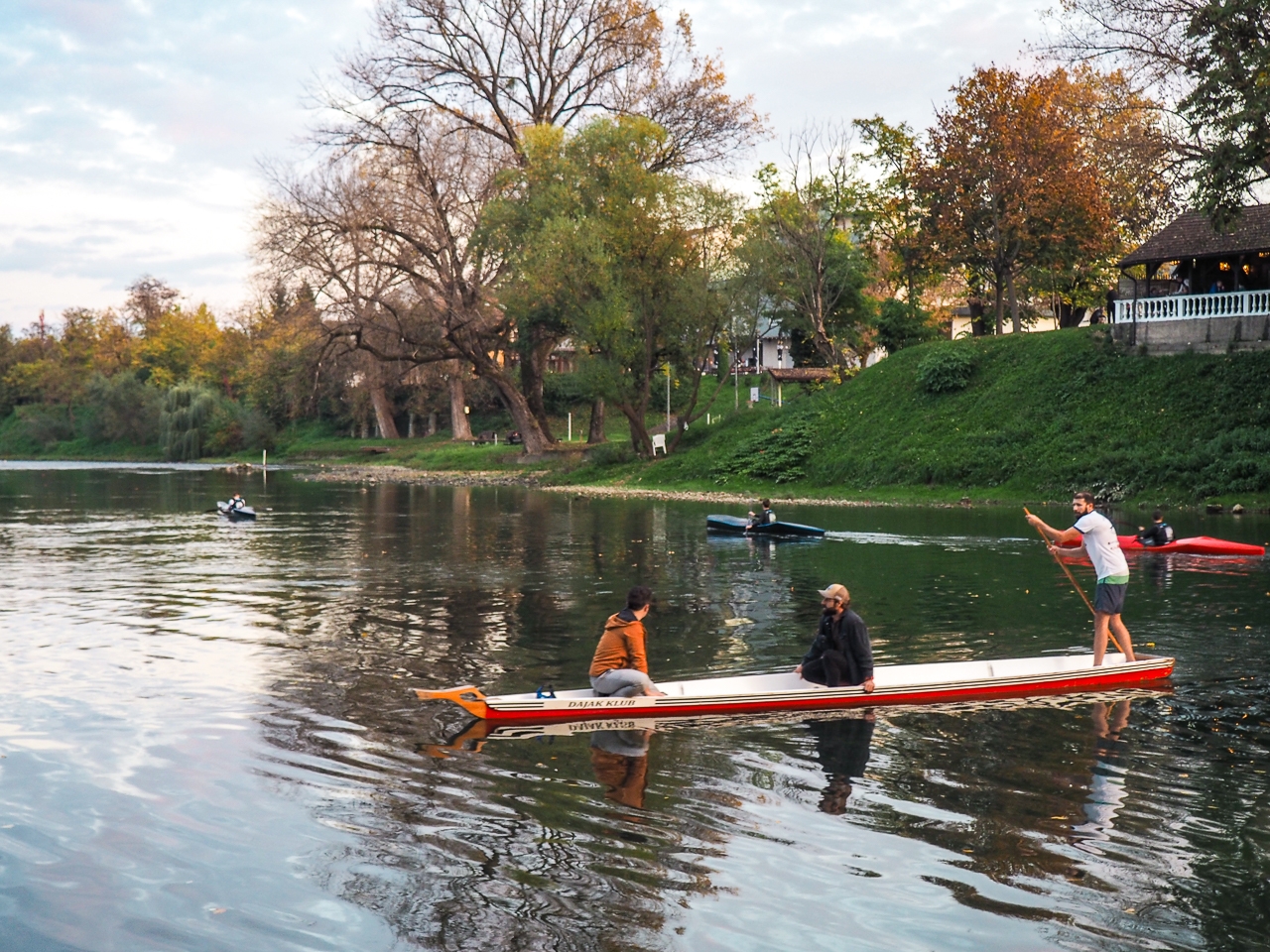
One of the most exciting sights in Banja Luka is not a building, but the cultural heritage of its inhabitants, who have lived in harmony with the Vrbas for centuries. When Banja Luka was a trading centre, the narrow, flat boats were used to transport goods - anyone who owned one was a respected citizen of the town!
And even today, the dajaks are a fundamental part of Banja Luka's cultural heritage. They owe their special shape to the nature of the Vrbas, which is shallow, rocky and full of rapids - even today it cannot be navigated with modern motorboats.
The dajaks will hopefully soon be recognised by UNESCO. Until then, however, you can travel down the Vrbas on them in a dajak (which is also the name of the boatman).
Visit the water mills of Krupa na Vrbasu
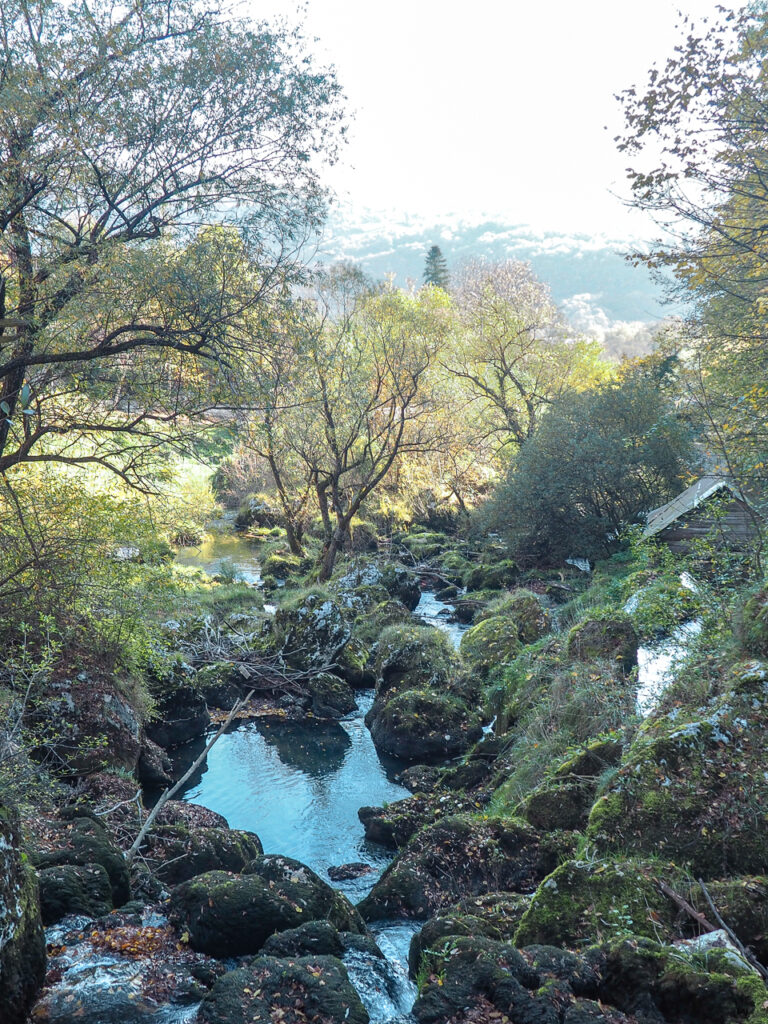
Forty minutes south of Banja Luka lies the small village of Krupa na Vrbasu, which was recently named one of the most beautiful villages in Bosnia and Herzegovina was honoured. You will pass by here on the way to Jajce - so be sure to plan a stop at the most beautiful natural sight in Banja Luka.
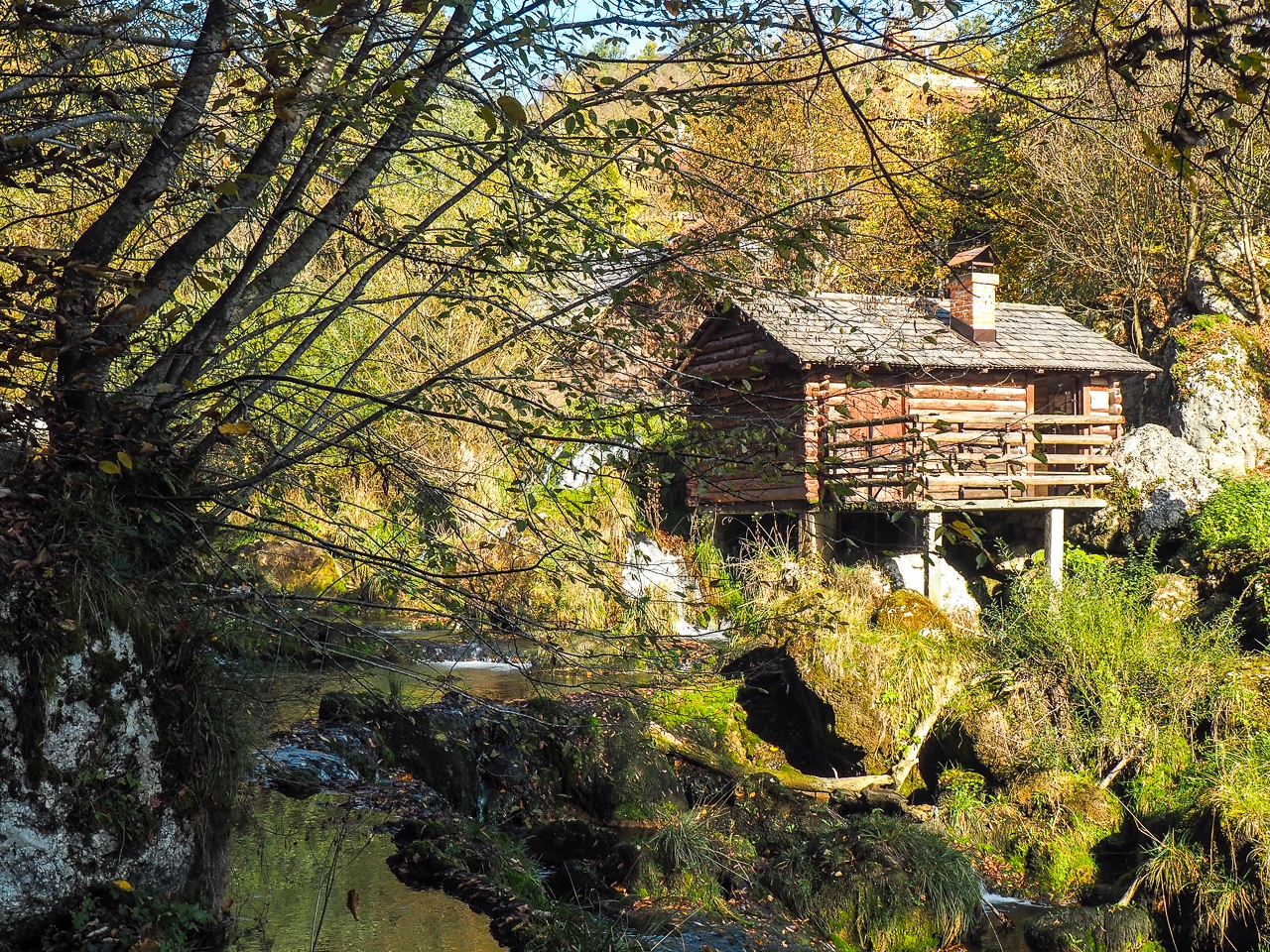
The landscape with its branching rivers, ravines and of course the historic wooden water mills that are still in operation today is a truly relaxing place. As everywhere in Bosnia, unspoilt nature is so close to city life here!
From here you can start rafting tours on the Vrbas or shorter hikes - both of which I highly recommend! Alternatively, just go for a walk and buy some freshly ground flour.
See how people lived back then: Ethno Selo Ljubačke Doline
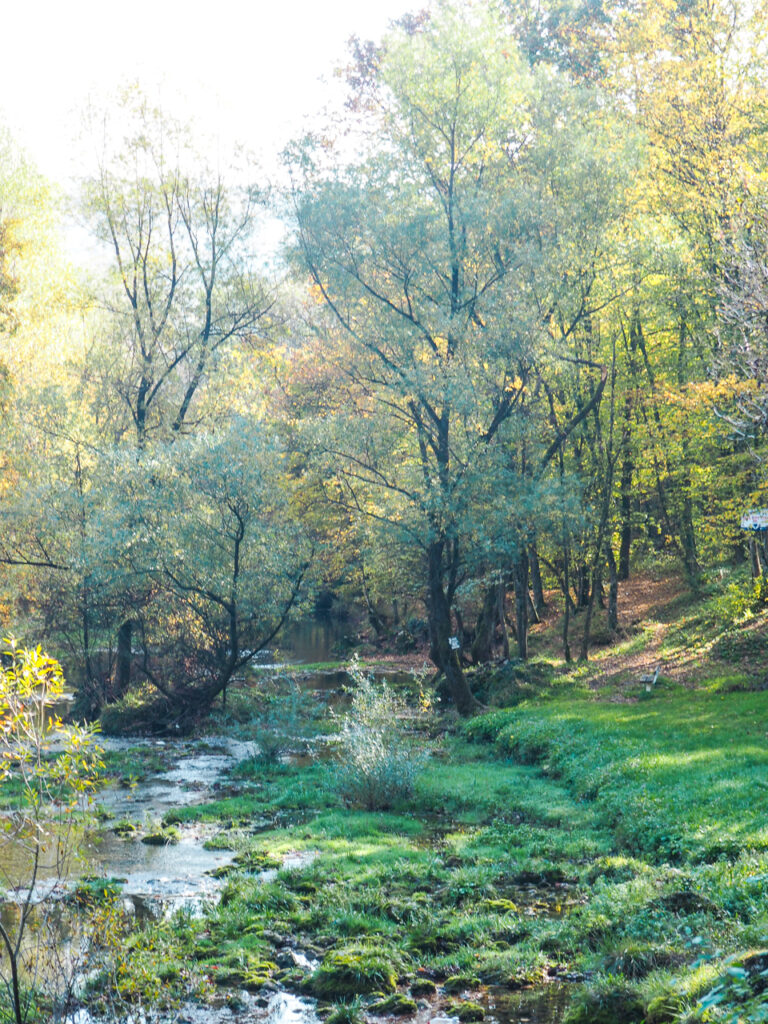
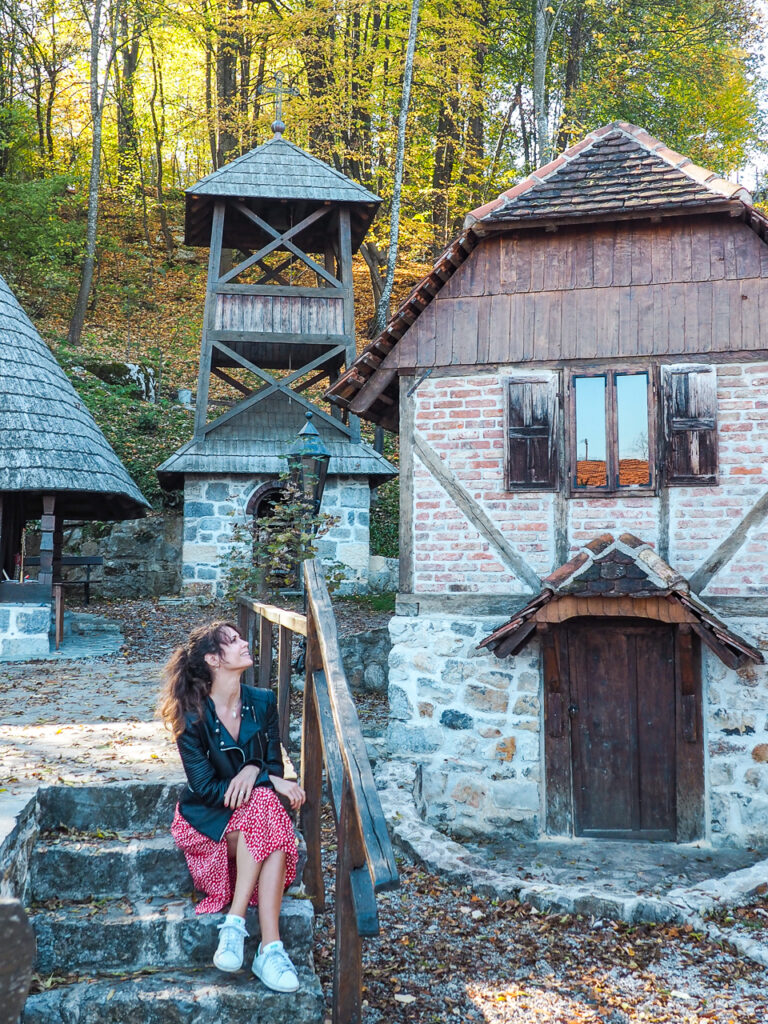
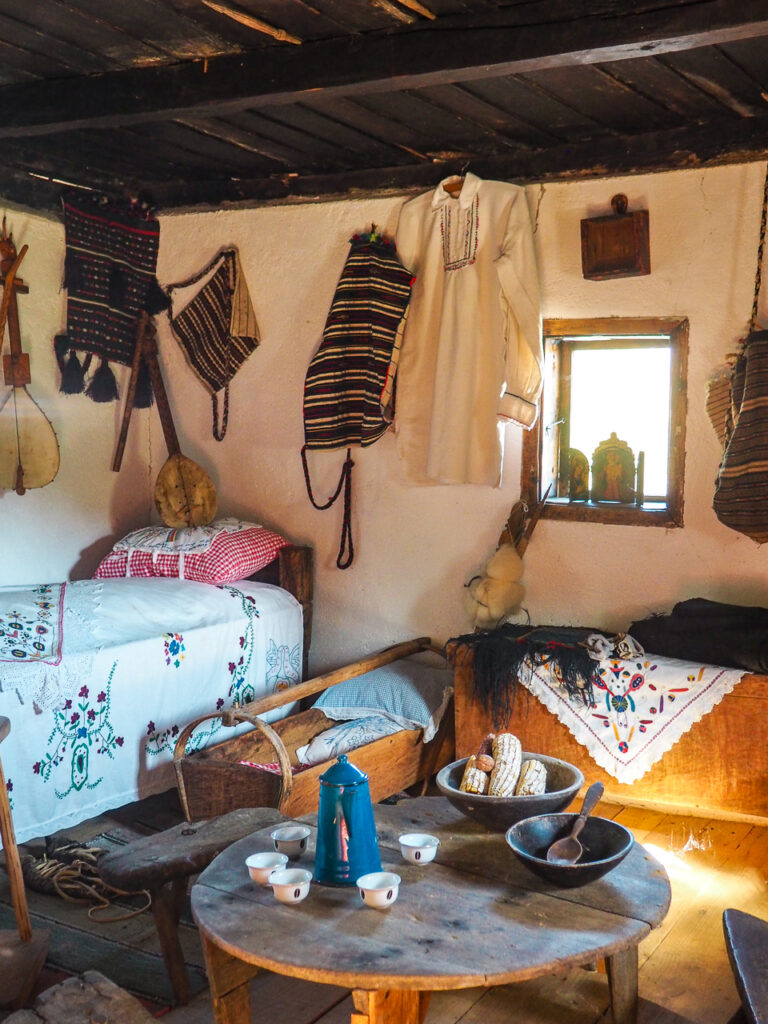
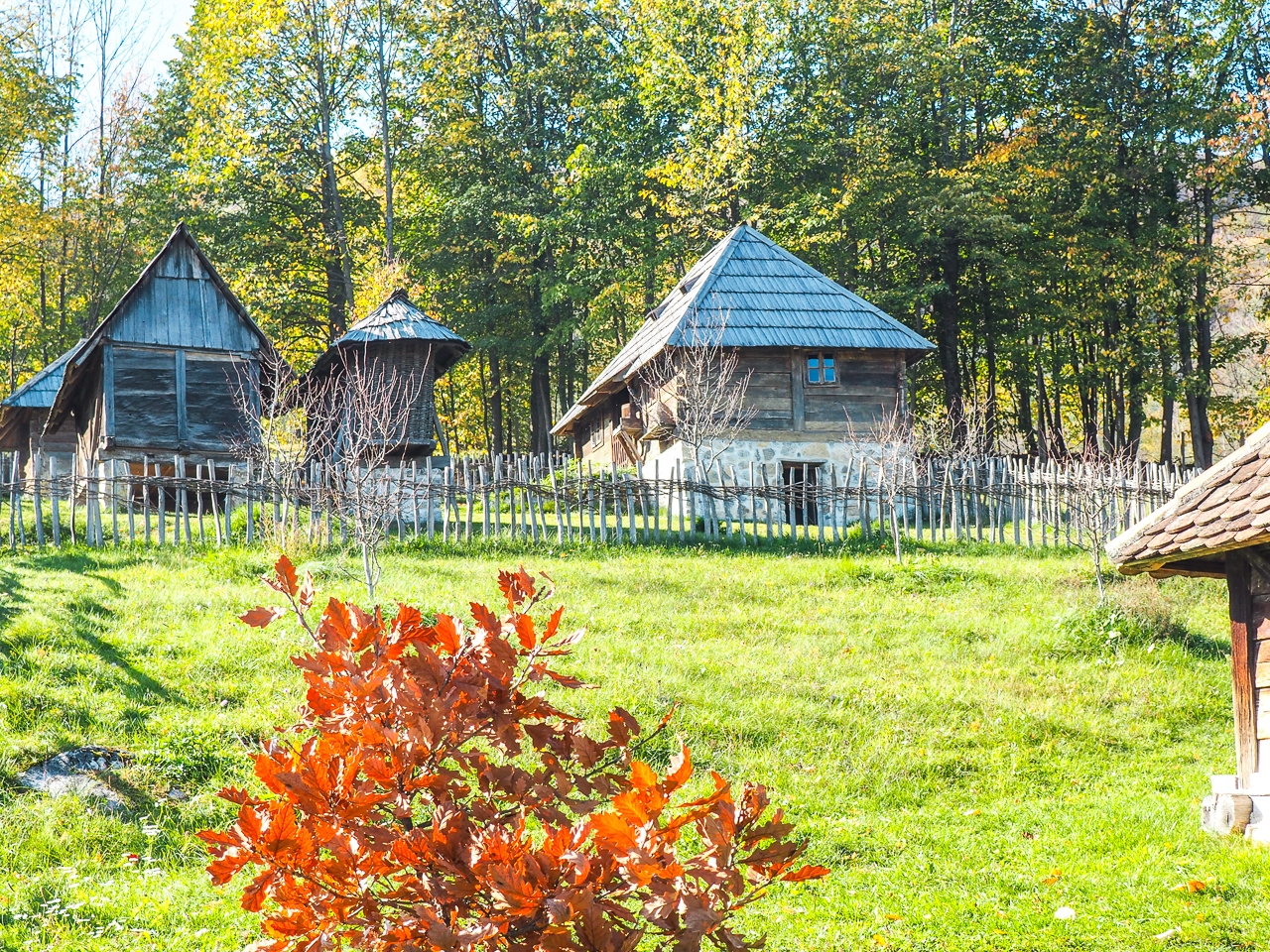
If you want to find out more about the history of Banja Luka or how people used to live in this area, the ethno village and museum Ljubačke Doline is the ideal place to visit. It is half an hour by car from Banja Luka.
Over the years, the founder of the museum has collected numerous tools, crockery and everyday objects from normal life in Bosnia and Herzegovina. These are now on display in the museum village, where you can also watch craftsmen at work during the summer months. Of course, there is also a small restaurant serving local cuisine.
The best restaurants in Banja Luka
Bosnian cuisine
- Kazamat
- Kod Muje
- Mala Stanica
- Restoran Slap
Cafés & Bars
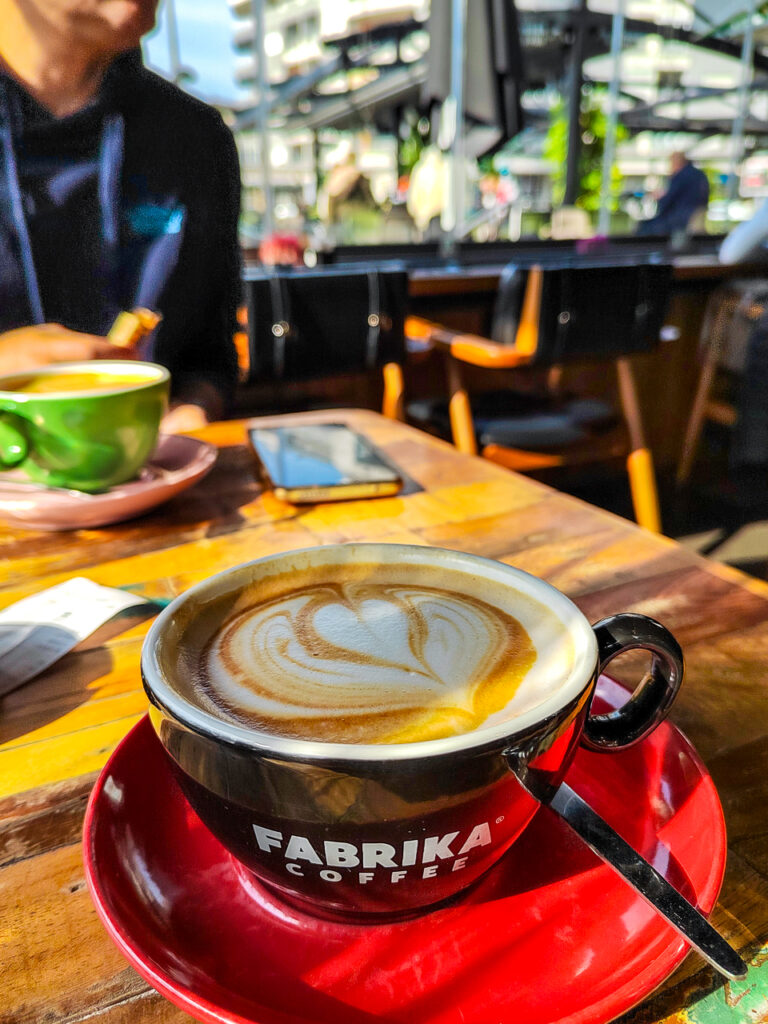
- Fabrika
- Bizarre Diverse Bar
International cuisine
- Kodiak Burger & Steak Bar
- Chiquita - meksička kuhinja
The best hotels in Banja Luka
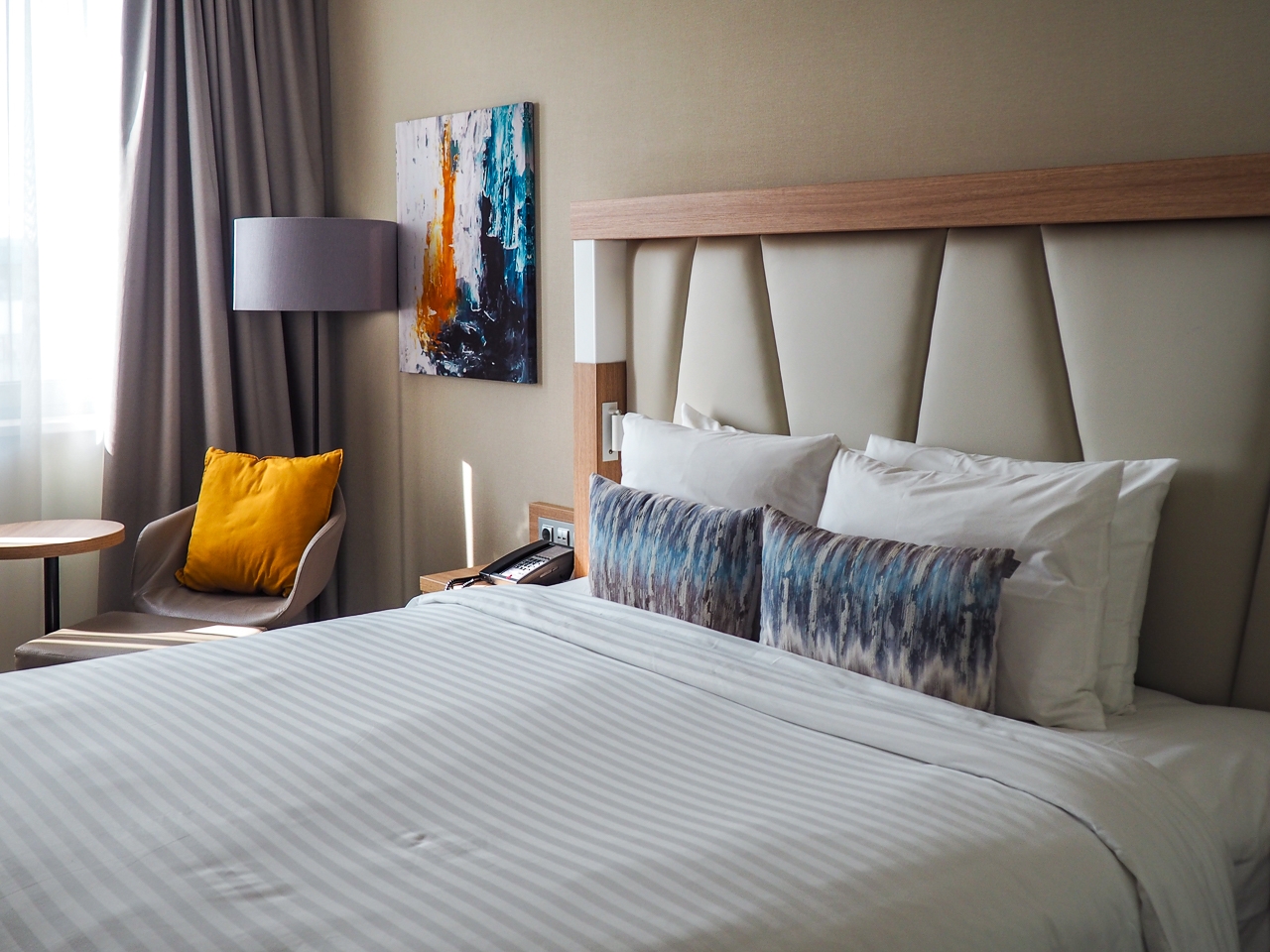
 Apartman City Lux Hotel Ideja Courtyard by Marriott Banja Luka
Travelling to Banja Luka
You can now fly directly to Banja Luka from some German airports with Ryanair or Wizzair. Banja Luka airport is small, but is constantly being expanded.
You can hire a car here directly at the airport (I always compare the Prices and offers for car hire at Discover Cars) and start a road trip through the whole country.
Conclusion on the best sights in Banja Luka
Bosnia's second largest city, Banja Luka, has a quiet charm that only unfolds when you stay a few days and explore the city on the Vrbas and its surroundings. Personally, I've fallen a little in love with the town - and I look forward to returning every time!
Travel planning for Bosnia-Herzegovina made easy
💸 What is the currency of Bosnia and Herzegovina?
In Bosnia and Herzegovina, the convertible mark (KM for short) is used for payment. It has been the currency of Bosnia and Herzegovina since 22 June 1998 and was pegged to the German mark at a ratio of 1:1 until 2001 and to the euro since 2002. One euro is always exactly 1.95583 KM). The conversion is therefore very simple.
🇧🇦 What language is spoken in Bosnia and Herzegovina?
The official languages of the country are Bosnian, Serbian and Croatian, but there are hardly any linguistic differences between them - I always compare them to German and Austrian. Serbian, however, uses Cyrillic letters, which can lead to confusion in the Republika Srpska part of the country. The best thing to do is to download Google Translate, which also allows you to take photos of Cyrillic menus or street signs and have them translated.
💉 Do I need international health insurance for Bosnia and Herzegovina?
Absolutely! You should never, never, never travel without international health insurance. Bosnia and Herzegovina is also not in the EU, which means that your German health insurance covers the country. not with. I am always happy to recommend other travellers SafetyWing. For less than one euro per day, you can insure yourself here and also protect yourself against the risks of extreme sports, lost luggage and other travelling ailments.
📲 Can I use European roaming in Bosnia and Herzegovina?
No, as Bosnia and Herzegovina is not in the EU, your roaming package does not apply here. You can either buy a SIM card locally at a kiosk for a few marks or simply get an eSIM like Airalo, which you can even use for other countries after your trip to Bosnia. You can download the Airalo app here.
🪂 Which tour operator is recommended for my trip to Bosnia?
Together with my Bosnian partner, I founded the boutique travel agency .Cheyf in 2022. We have combined our experience of sustainable tourism in places like South Africa with our knowledge of Bosnia and the way of life in Bosnia. ćejf united - savouring the little moments that make life worth living. This has resulted in tours that convey sustainability, local experiences and communities and a real attitude to life. Here you can take a look at our tours and get to know Cheyf better.
🗺️ I would like to travel without a travel agency, are there any ready-made routes?
Yes! I offer an interactive travel map for the whole of Bosnia and Herzegovina, with several ready-made itineraries and lots of restaurants and insider tips. And best of all, the map is regularly updated and expanded, meaning you always have the latest recommendations in your pocket. Click here for the interactive travel guide.
💦 Can I drink the tap water in Bosnia and Herzegovina?
You can drink the water in large cities without hesitation. Bottled water is recommended after heavy rainfall or flooding and in rural areas.
🛬 Where can I find the best flights to Bosnia and Herzegovina?
You can find the cheapest flights on Kiwi - where you can compare prices directly.
🏯 Where can I find the best accommodation in Bosnia and Herzegovina?
Most accommodation in Bosnia and Herzegovina, including private accommodation, is often offered at Booking.com set. In addition to hotels, you can also book flats or guesthouses here and directly support the Bosnian population with your stay.
🛵 Where can I book a hire car for my trip to Bosnia?
On Rentalcars.com you can choose from a wide range of hire cars and compare prices. I recommend that you always book with fully comprehensive insurance. The German driving licence is valid, so you don't need to pack an international driving licence.
This blog article contains personal recommendations in the form of affiliate links. If you book or buy something via the links, I will receive a small commission. This does not change the price for you at all. Thank you for your support.