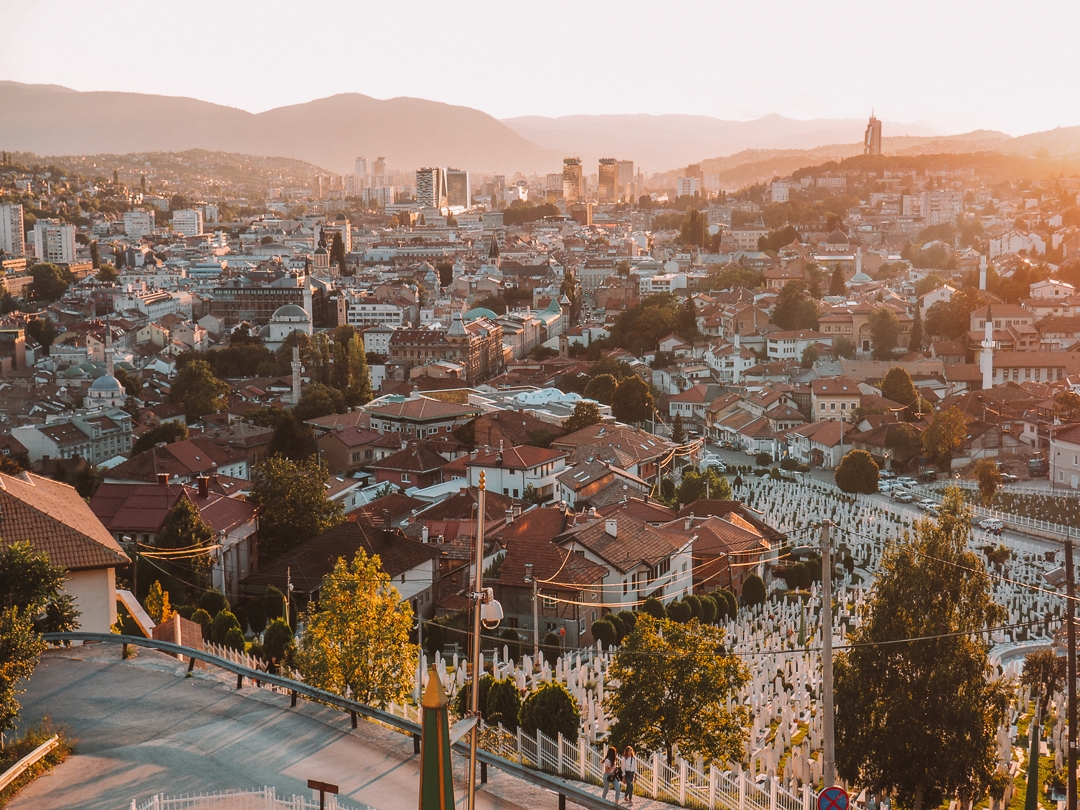
Planning a trip to Sarajevo? This Sarajevo travel guide covers everything you need to know — plus a few insider tips I've collected since moving to the Bosnian capital in 2021.

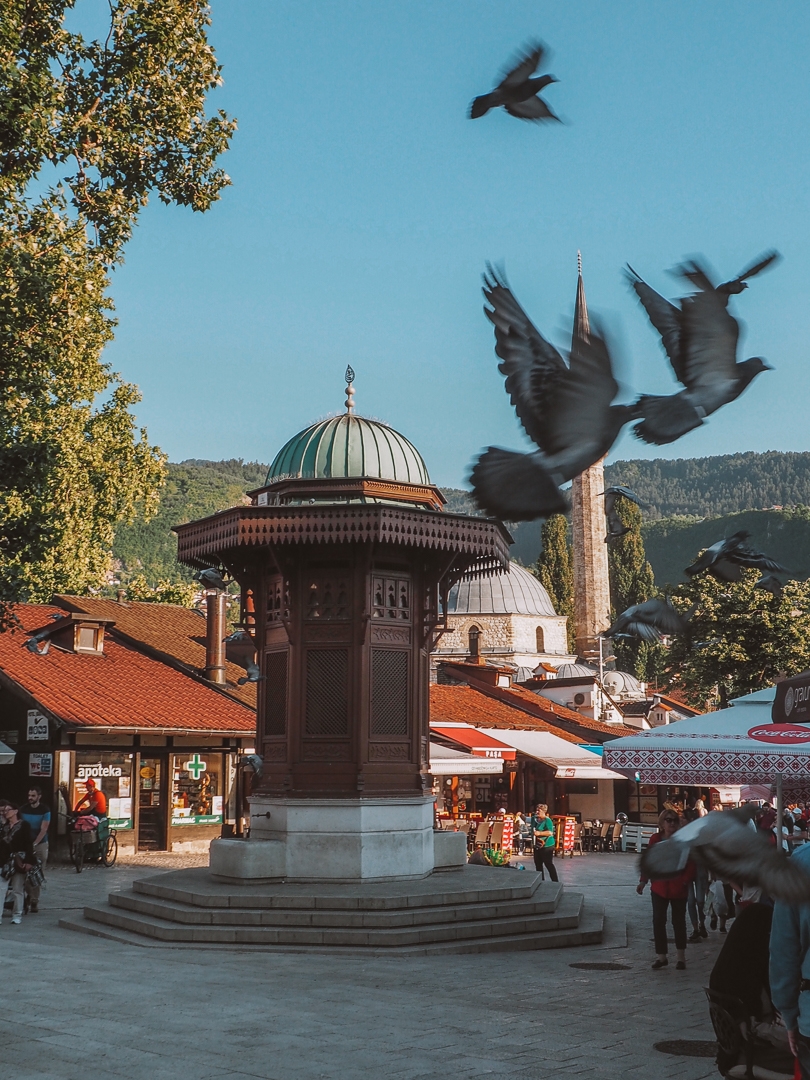
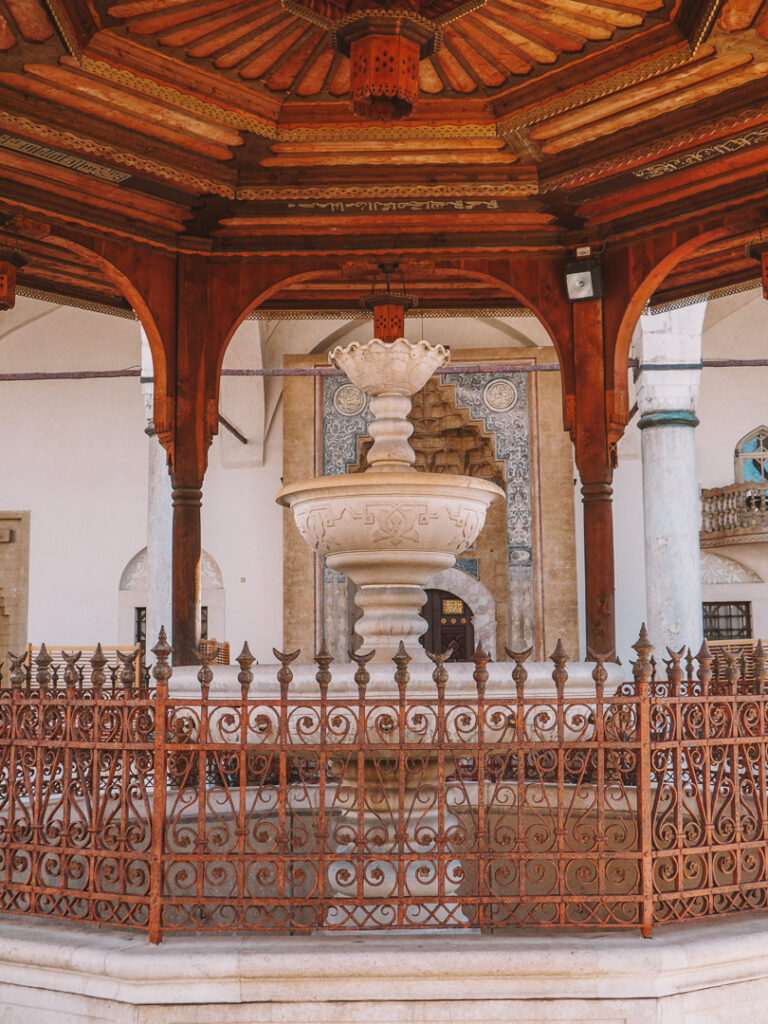
The legend says that anyone who drinks water from the Gazi Husrev Beg Mosque in Sarajevo will always come back. In my case, at least, there's something to it: Sarajevo has been my home since 2021.
Sarajevo is unlike any other city in Europe — a blend of East and West, ancient and modern, that simply refuses to be put in a box. Every one of my friends (and I) fails at describing Sarajevo in a single sentence.
Which means: it's time you formed your own impression of the capital of Bosnia and Herzegovina. This travel guide gives you everything you need for your trip — from sights to food, accommodation, and the best guided tours.
This blog article contains personal recommendations in the form of affiliate links. If you book or buy something via the links, I will receive a small commission. This does not change the price for you at all. Thank you for your support.
The Sarajevo Essentials
 My Bosnia Travel Guide | Sarajevo in the palm of your hand: my favorite restaurants with personal notes, tips for rainy days, and more. Get the travel guide and map here.
 Best time to visit | Mid-April to mid-June, September, October
 How long to stay | I recommend at least three days. You can find my 3-day itinerary here
 Where to stay | I always recommend Ovo Malo Duše right in the heart of the old town.
 Best tours | A city tour for your first overview and a food tour to dive into the delicious Bosnian cuisine
 Don't miss | The sunset over Sarajevo from the Yellow Fortress, and trying a Bosnian coffee
Is Sarajevo Worth Visiting?
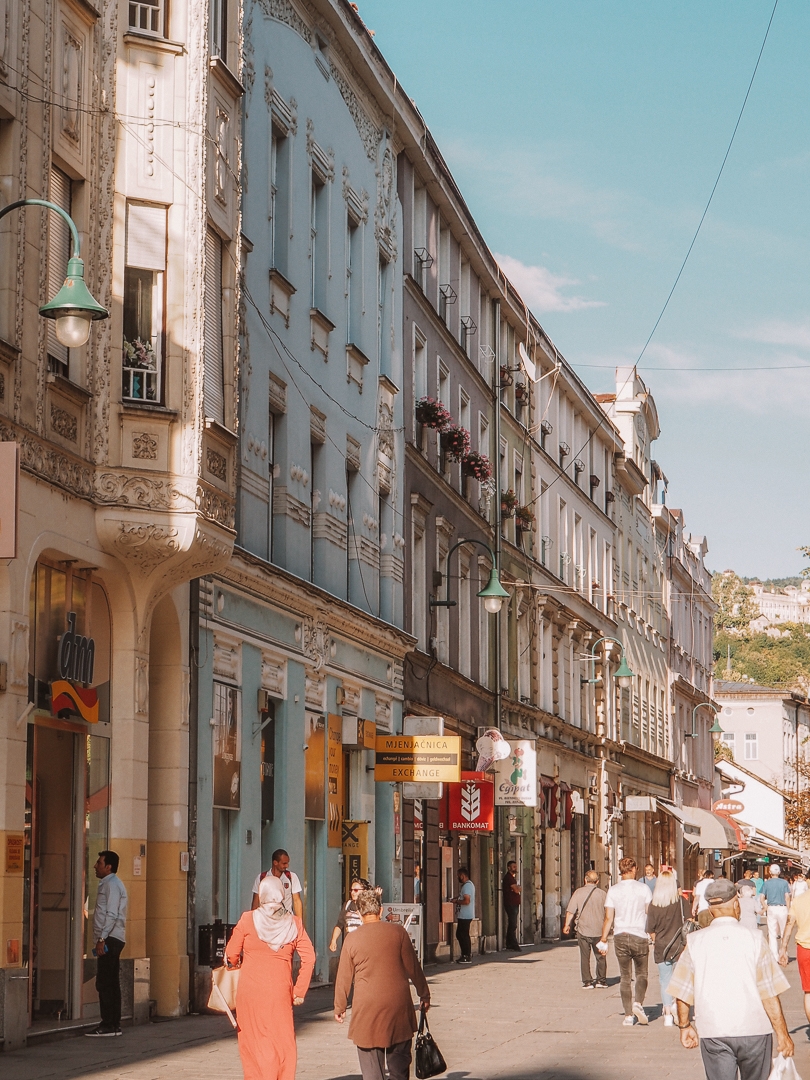
Absolutely. No other city in Europe brings together so much cultural and spiritual heritage — from the Ottoman old town of Baščaršija to Austro-Hungarian palaces and the lasting influence of Sephardic Jews on art, culture, and cuisine. When people say "melting pot," they really mean Sarajevo — and even that word doesn't do the city justice.
Beyond its layered history (we've all heard of Franz Ferdinand), Sarajevo is a city where old crafts are kept alive or reimagined, and where the food is genuinely, seriously good.
The fact that my Bosnian husband and I founded a travel agency here in 2022 — because we're convinced that Sarajevo and Bosnia and Herzegovina deserve more attention than endless references to the war — probably says it all.
Sarajevo works for families just as much as for couples or solo travellers. Great food, history, and nature within easy reach combine into something that's hard to find anywhere else in Europe.
How Many Days Should I Plan For Sarajevo?
The short answer: Short answer: At least a long weekend. Three days minimum. If you want an exact 3-itinerary, you can find one here.
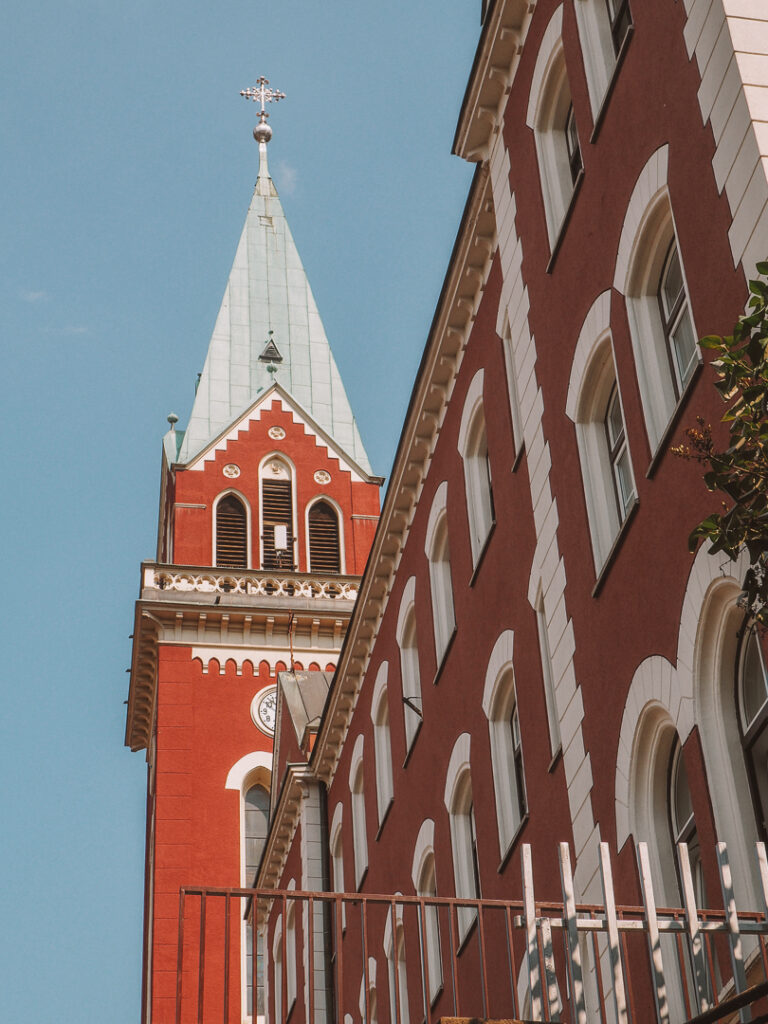
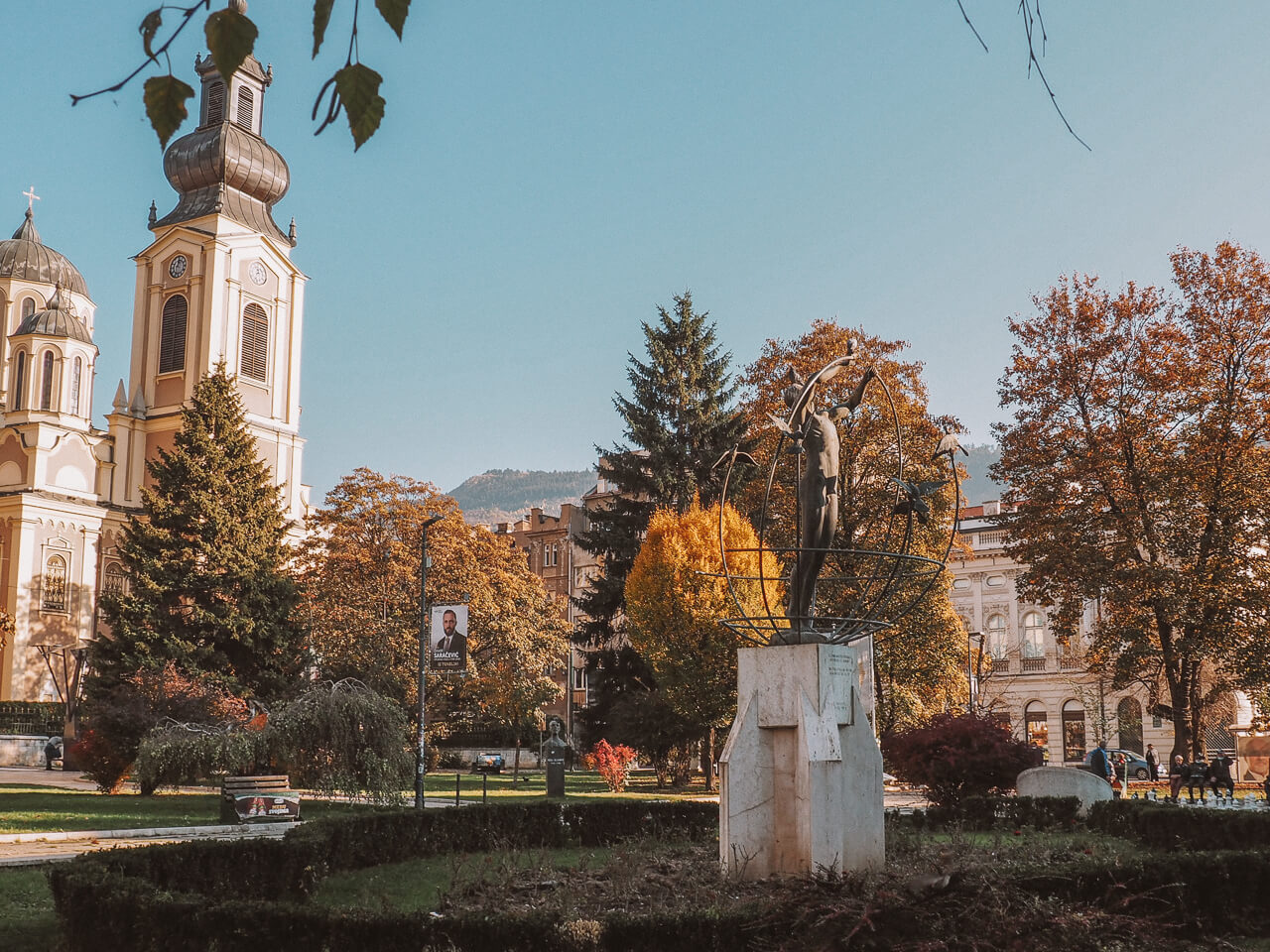
The longer answer: The main sights — the Sebilj fountain, the Sacred Heart Cathedral, the site of the assassination of Archduke Franz Ferdinand — can be covered in one solid day. But the city has so much more along the Miljacka river.
If you're interested in the Bosnian War, the siege of Sarajevo, and the country's recent history, add another day for the Sarajevo Tunnel Museum and a cable car ride up Mount Trebević.
You'll find ready-made itineraries for two to five days here. Fertige Reisepläne für zwei bis fünf Tage findest du hier.
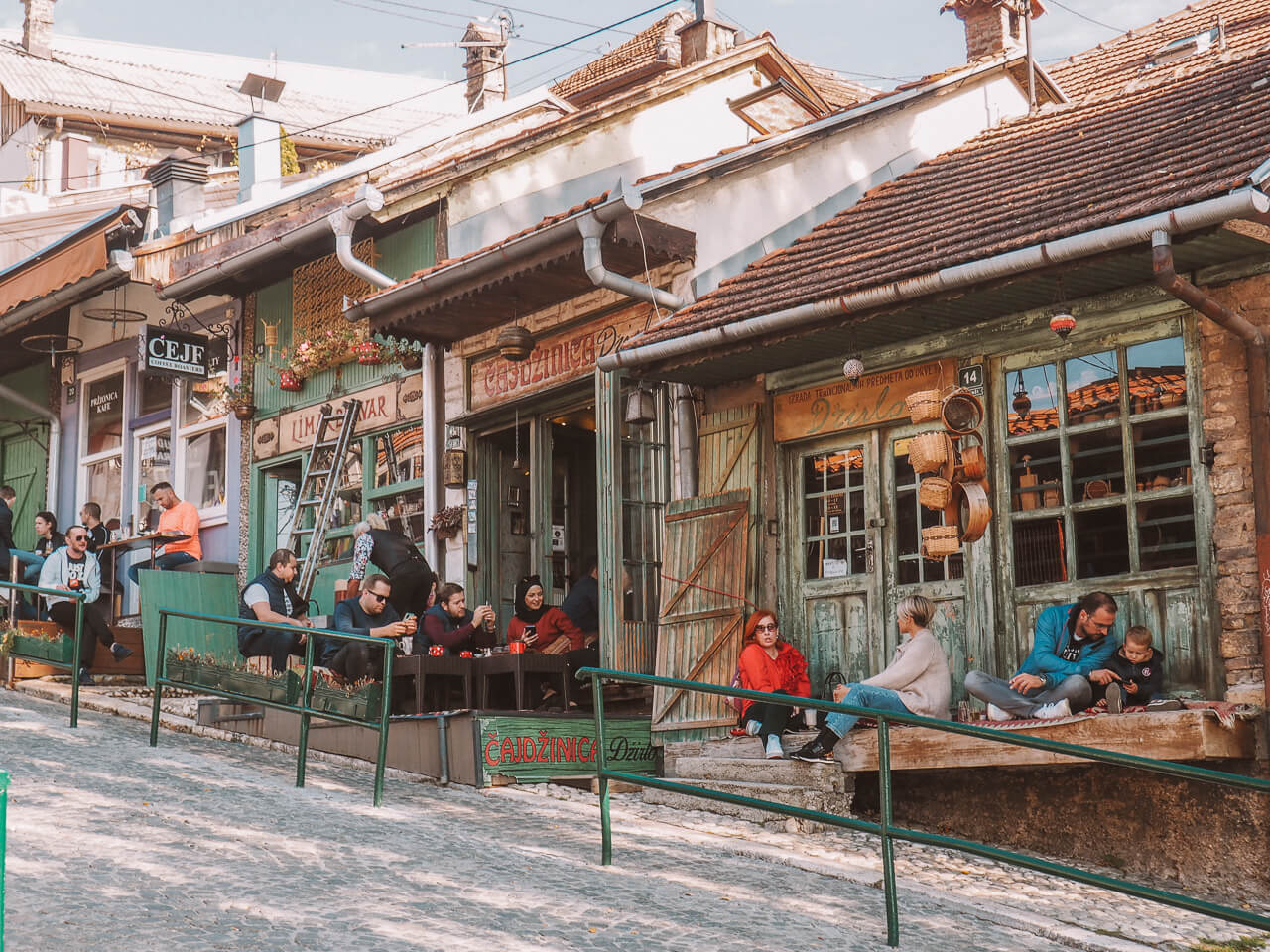
And of course: you're in the Balkans. Sitting somewhere, ordering a coffee, and watching the world go by is part of the experience. A little ćejf — simply enjoying the moment. You can find the best cafés for it here.
Getting to Sarajevo
The easiest way to arrive is by plane. Austrian Airlines flies to Sarajevo twice daily; Ryanair, WizzAir, and other carriers also serve the city. Compare flights and prices from various cities here.
From the airport, you can reach the city centre by bus or taxi — just make sure the driver turns on the meter. Uber and Bolt are unfortunately not available in Sarajevo yet.
Sarajevo is not currently accessible by international train, though that may hopefully change in the future. The only rail connection at the moment is to Mostar, from where you can continue towards Croatia.
Getting Around Sarajevo
You don't need a car in Sarajevo. The city is very easy to explore on foot, especially from the old town through to the Marijin Dvor neighbourhood — and all the main sights are within walking distance of each other.
My tip: if Sarajevo is your starting point for a Bosnia road trip, pick up the rental car on the day you leave. Parking in the city centre is a genuine nightmare. If you're arriving by car, make sure your accommodation includes parking (and not just street parking).
Walking | The main sights are close together. Sarajevo is super walkable — just stroll along the Miljacka river.
Bus & Tram | You can buy tickets from the driver, or for the tram also via app — search for Javniprevoz in your app store.
Taxi | Affordable and convenient — but always insist on the meter being turned on.
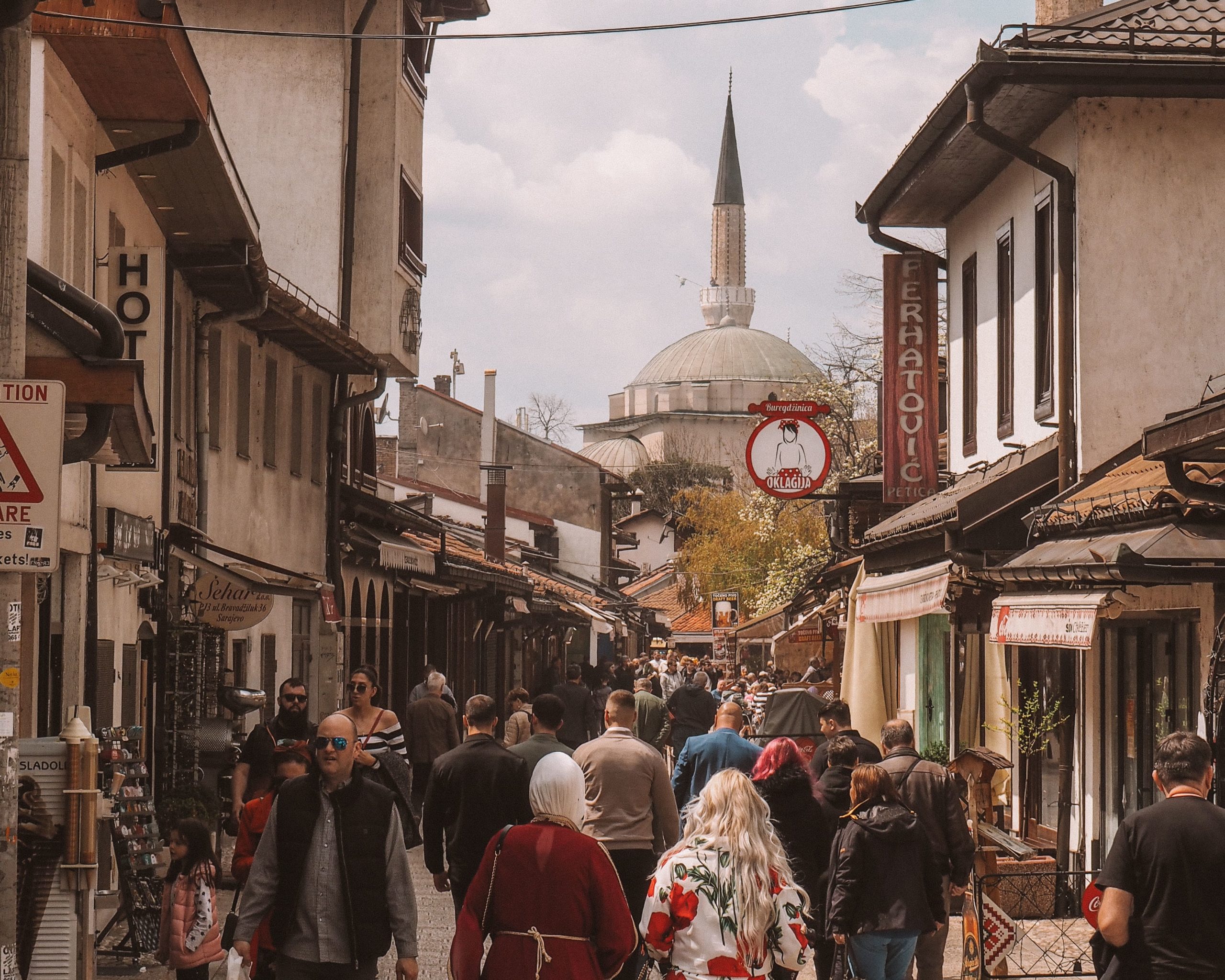
The 10 Best Things to See in Sarajevo
Given Sarajevo's layered, eventful, and at times complicated history, I really recommend that you get to know the city with a guided city tour first. In five years of living here, I've learned so much about Sarajevo that has genuinely changed the way I see the city — and Europe, its cultures, and religions.
If you want to venture out into the heart of Sarajevo by yourself, make sure you don't miss out on these sights:
Old Town (Baščaršija)
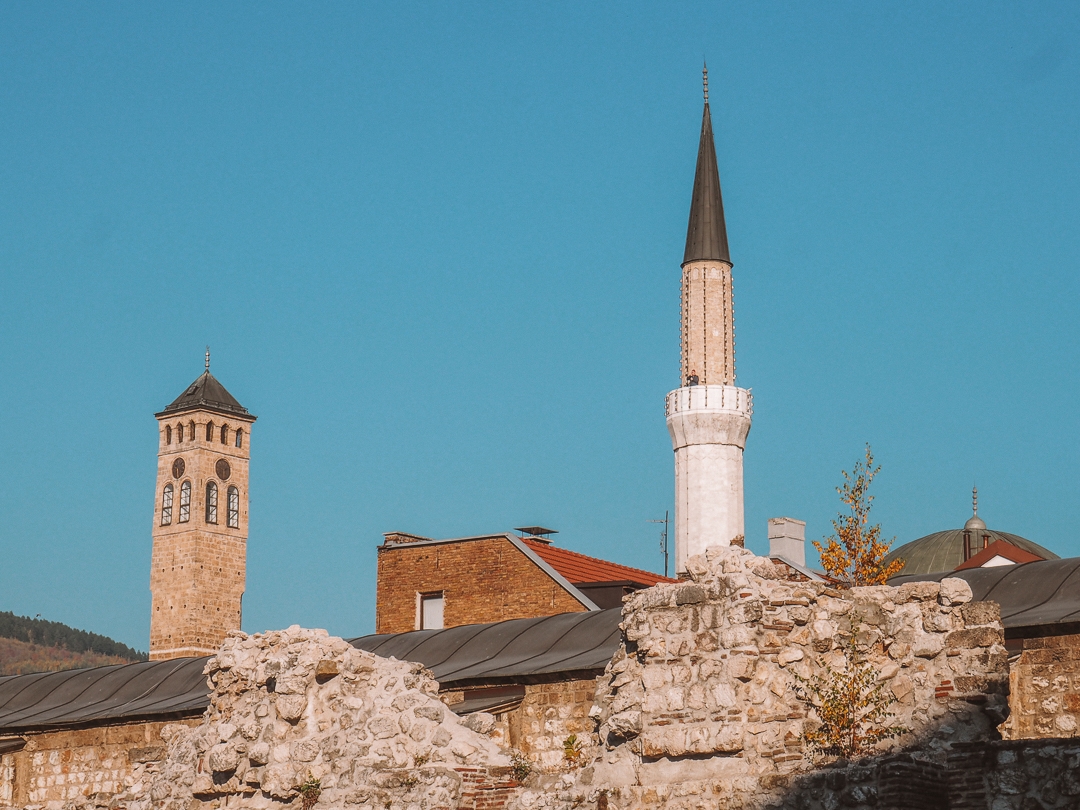
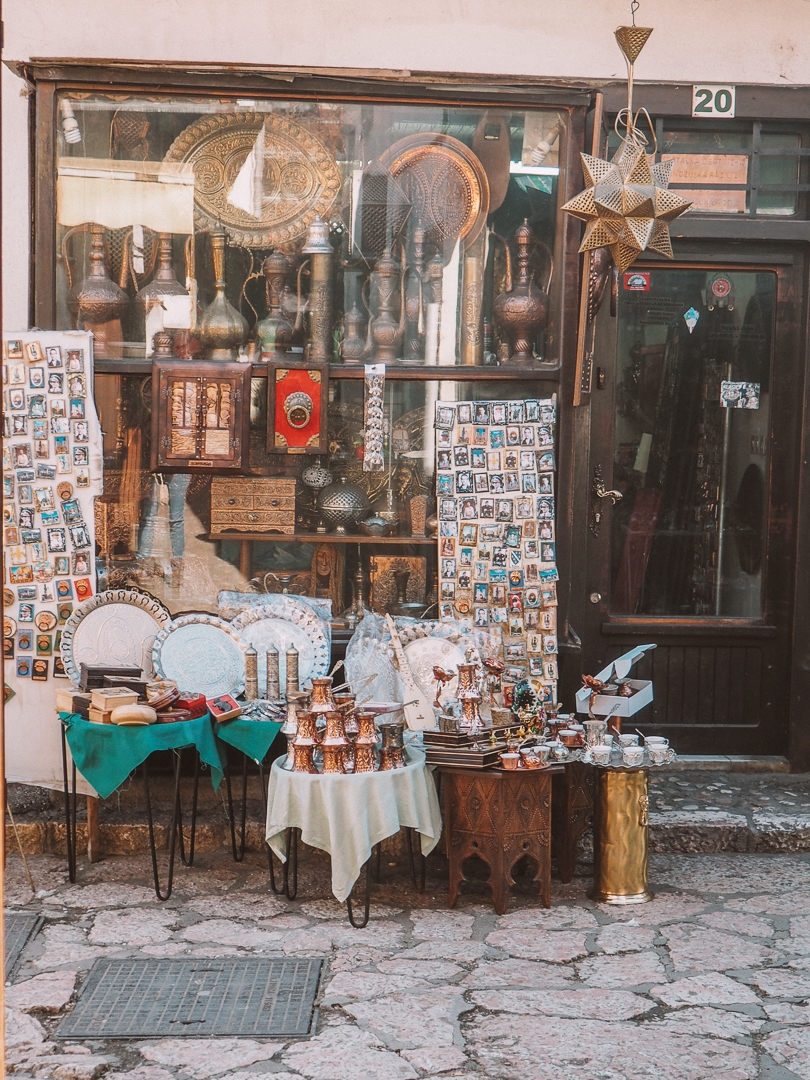
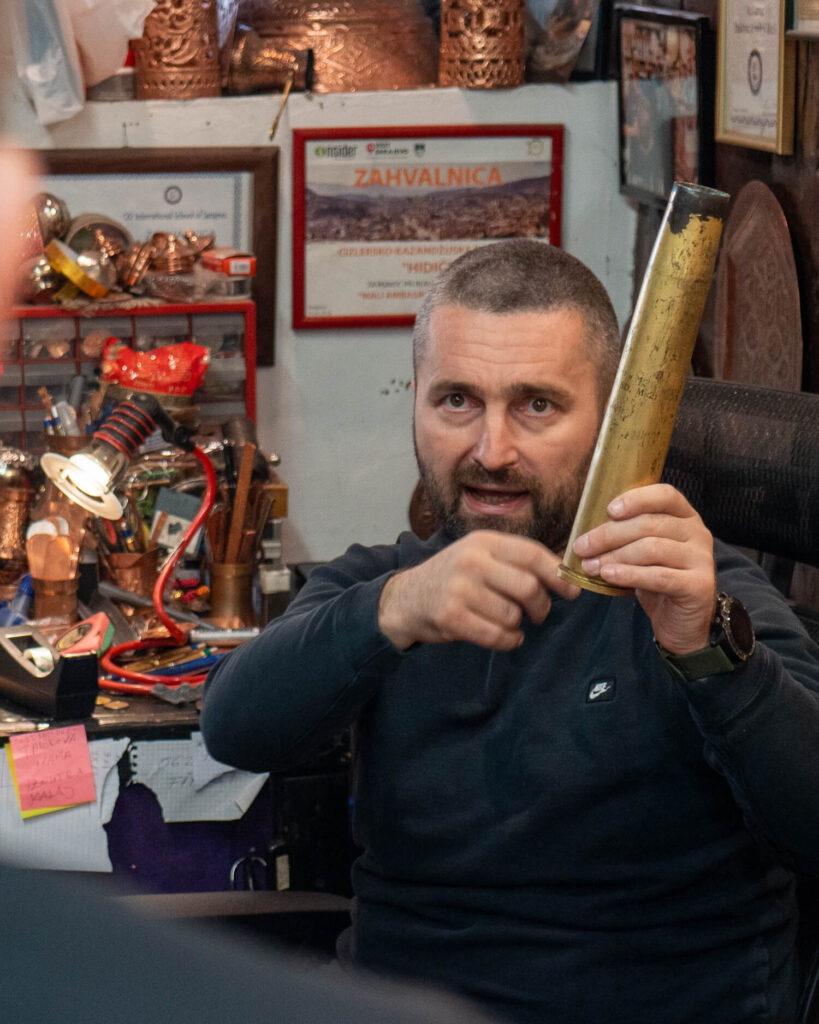
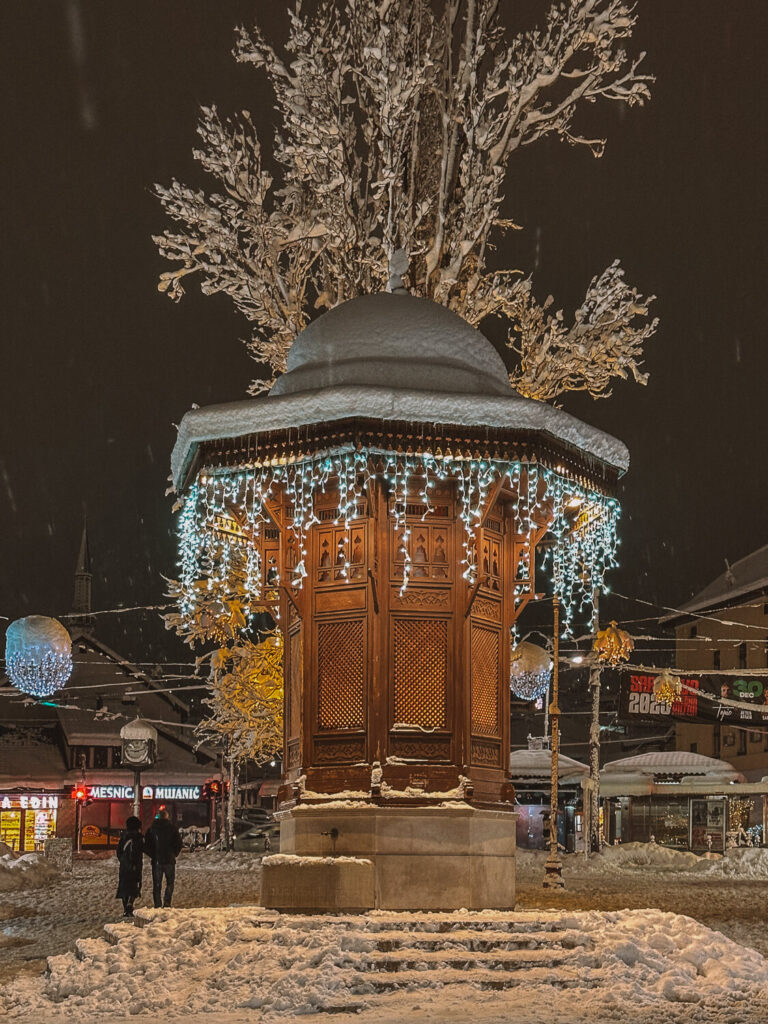
The historic cultural heart of the city blends Ottoman heritage with Austro-Hungarian influence: from the Sebilj fountain to the first electrified mosque (the Gazi Husrev Beg Mosque, with its clock tower) and the Latin Bridge, where the assassination of Franz Ferdinand in June 1914 triggered the First World War. Don't miss the old Sephardic synagogue and Kazandžiluk, the coppersmith street where craftsmen still work as they did centuries ago.
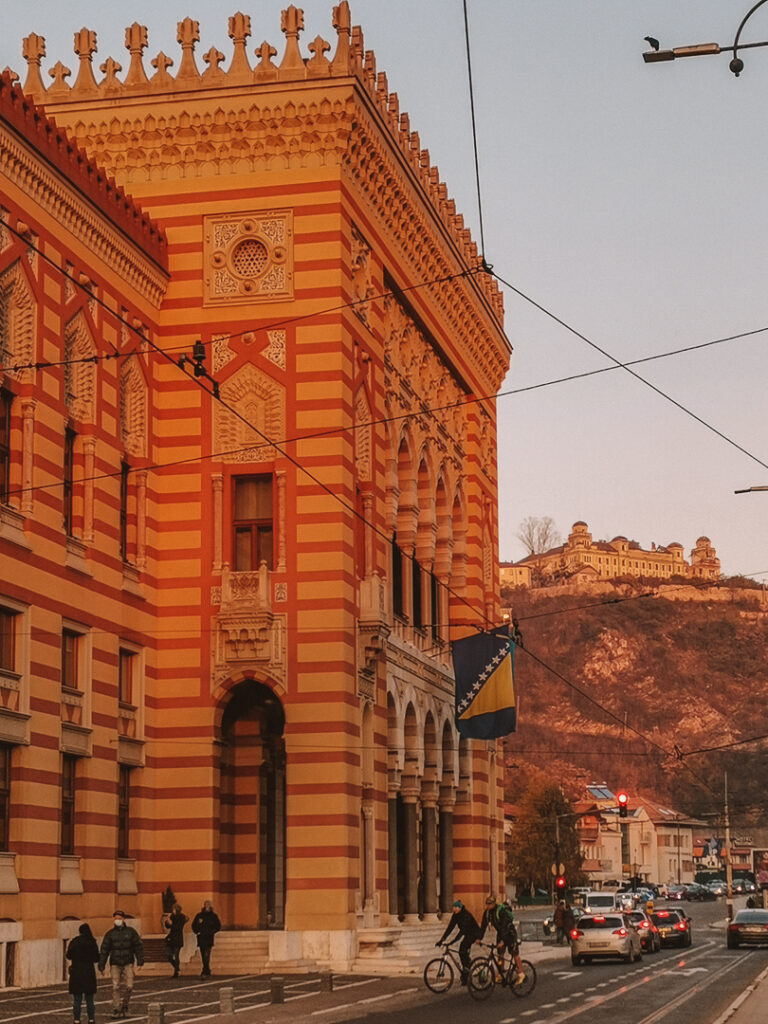
Vijećnica: Sarajevo City Hall
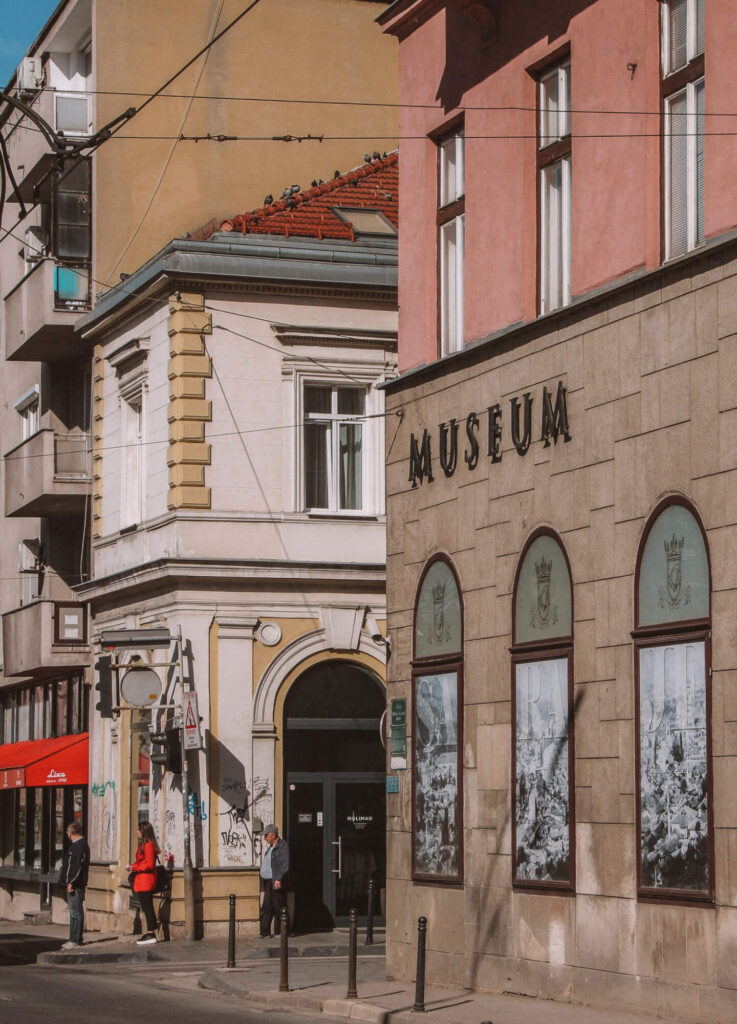
Built during Austro-Hungarian rule in a unique pseudo-Moorish style, Vijećnica was burned to the ground during the Bosnian War (when it served as the National Library). Restored today, it functions again as a city hall and museum where you can learn about the war crimes tribunal in The Hague, the siege of Sarajevo, and the city's broader history.
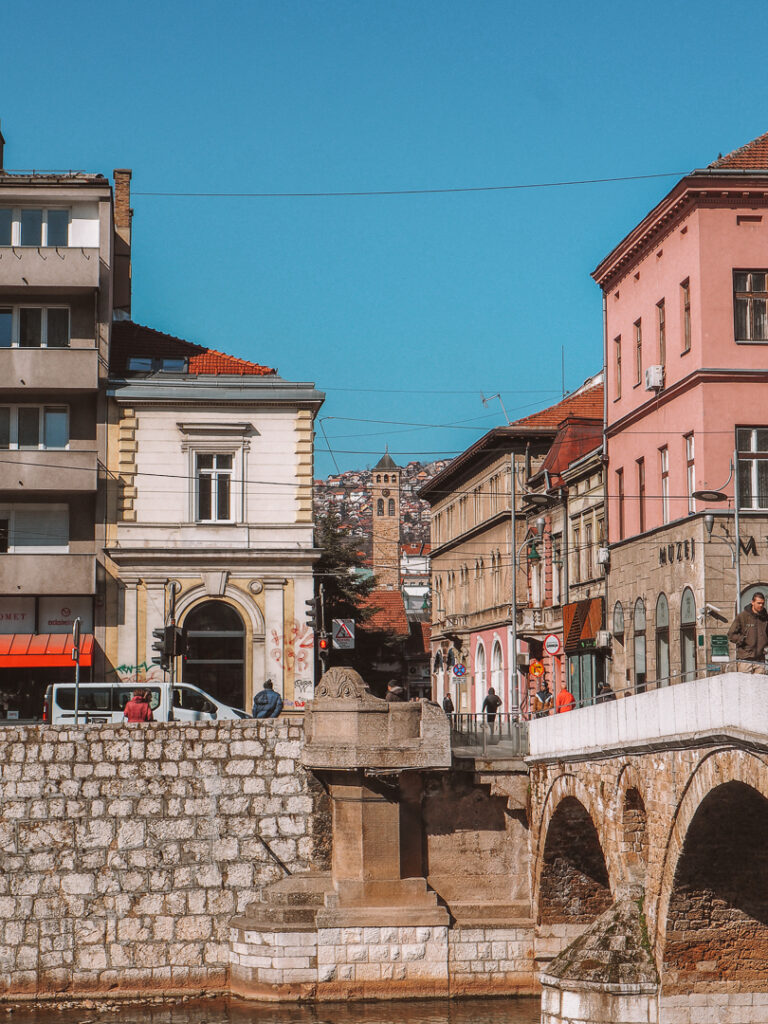
Die Lateinerbrücke
This is where Archduke Franz Ferdinand was assassinated. When his car became stuck at a street corner after a wrong turn, Gavrilo Princip shot him and his wife Sophie with two bullets. The spot looks unremarkable today — which makes it all the more striking to stand there and think: this is where modern history turned.
Roses of Sarajevo
Scattered across the city, around 200 of these concrete scars mark the spots where three or more people were killed during the 1,425-day siege of Sarajevo. They are quiet witnesses to history — reminders that travel can, and should, carry more weight than just checking off a bucket list.
Alte orthodoxe Kirche
A place of worship dating back to the 16th century, with foundations reaching as far as the 5th. The attached museum houses valuable icons spanning many centuries. Entry: 2 BAM.
Old Jewish Cemetery
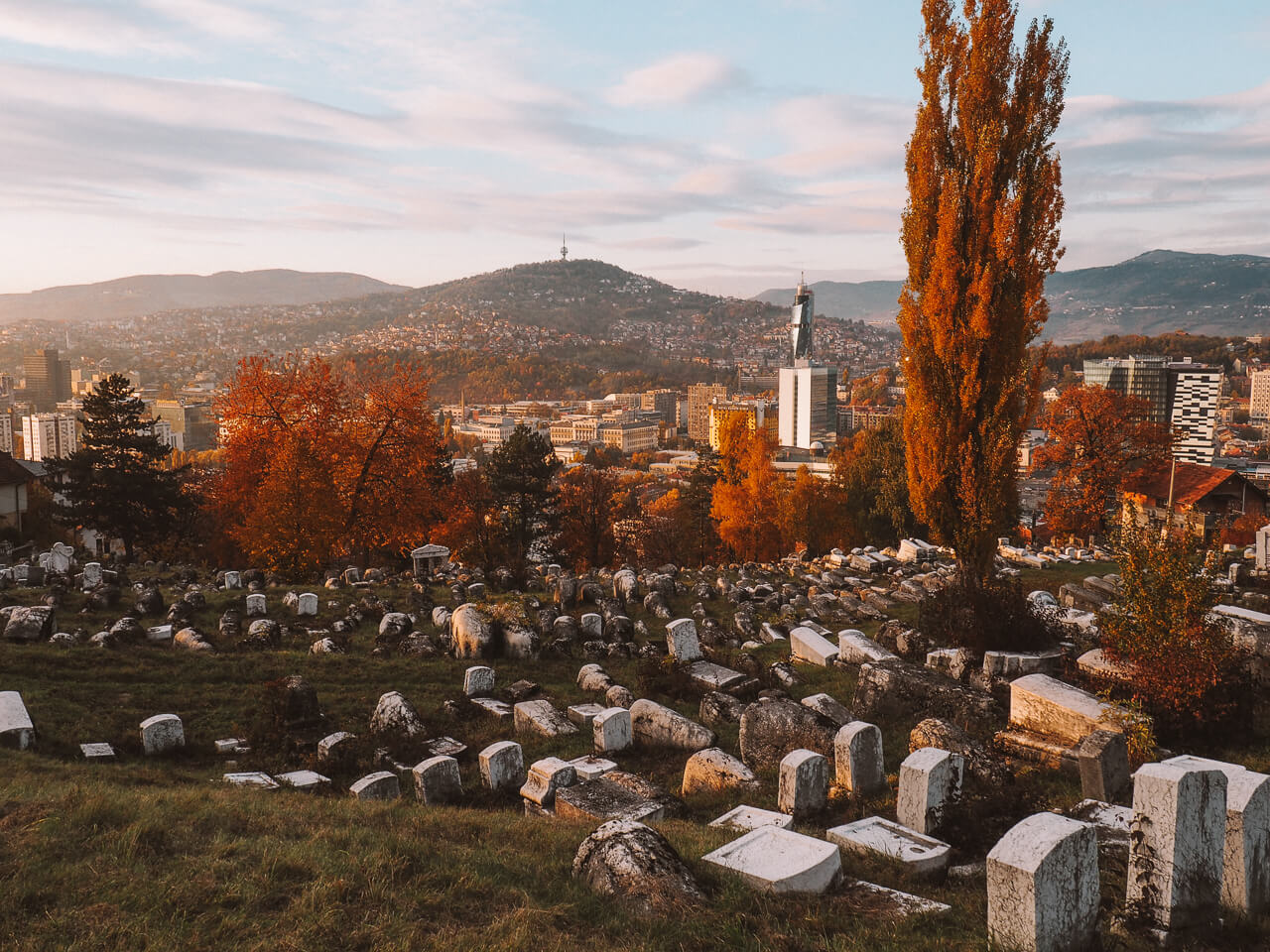
Up to 20 percent of Sarajevo's population was Jewish before the Second World War. Today that history is unfortunately less visible in the city's streetscape, but the Jewish quarter of Mejtaš and the old Jewish cemetery — the second largest in Europe after Prague — are still there to be discovered.
Sarajevo Tunnel Museum
Here you can see how the people of Sarajevo kept themselves supplied with medicine and food during the siege — through a tunnel dug beneath the airport runway.
National Museum of Bosnia and Herzegovina
On the first Saturday of every month, you can view the precious Sarajevo Haggadah. The botanical garden and the medieval tombstones known as Stećci are also well worth seeing.
Svrzo House and Despić House
Two authentically preserved historic homes showing how wealthy Muslim and Orthodox Bosnian families once lived.
Gelbe Bastion
One of the best viewpoints in Sarajevo — this Ottoman fortress has become a favourite sunset spot for locals and visitors alike. Arrive early enough to get a good spot. Local tip: grab a Bosnian pizza from the Pekara Mahir bakery on your way up.
Want everything in one place? My Rexby Bosnia & Herzegovina Guide has all sights, restaurants, and day trips mapped and ready to go.
Best Hikes Around Sarajevo
Sarajevo sits around 500 metres above sea level, surrounded by the Olympic mountains of Trebević, Jahorina, and Bjelašnica — all part of the Dinaric Alps. So pack your hiking boots for your trip to Bosnia and Herzegovina, there's much to discover.
Along the Olympic Bobsled and Luge Track on Trebević
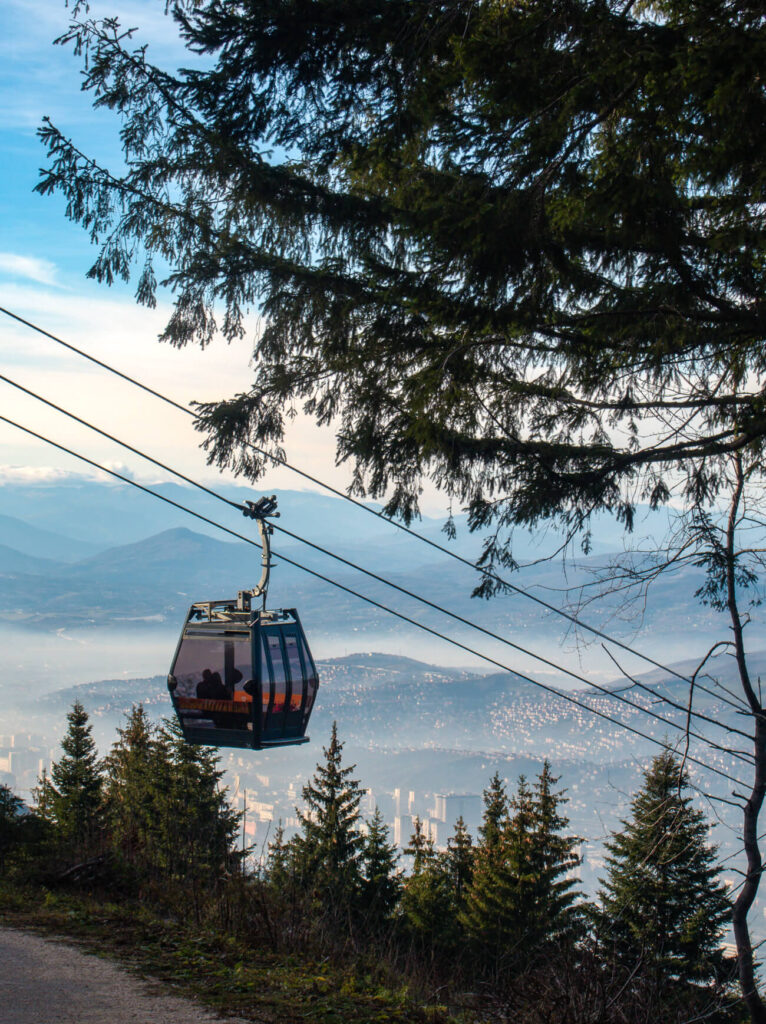
Not many cities in the world have a mountain right on their doorstep. Sarajevo does — and the cable car (reopened in 2018) is an easy way up.
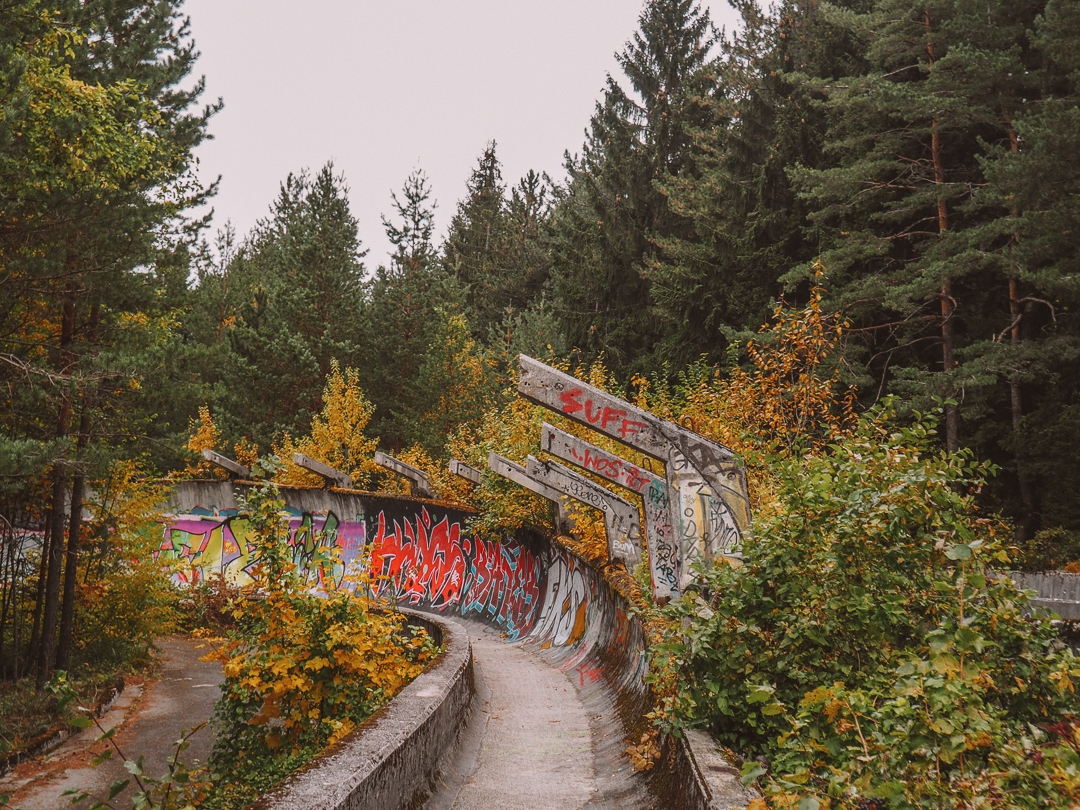
From the cable car station, it's just a few minutes' walk to the start of the Trebević Olympic bobsleigh – a lost place that is now full of murals and graffiti and which you can stroll along. You can find more information in this article.
Skakavac Nature Park - Sarajevo's spectacular waterfall
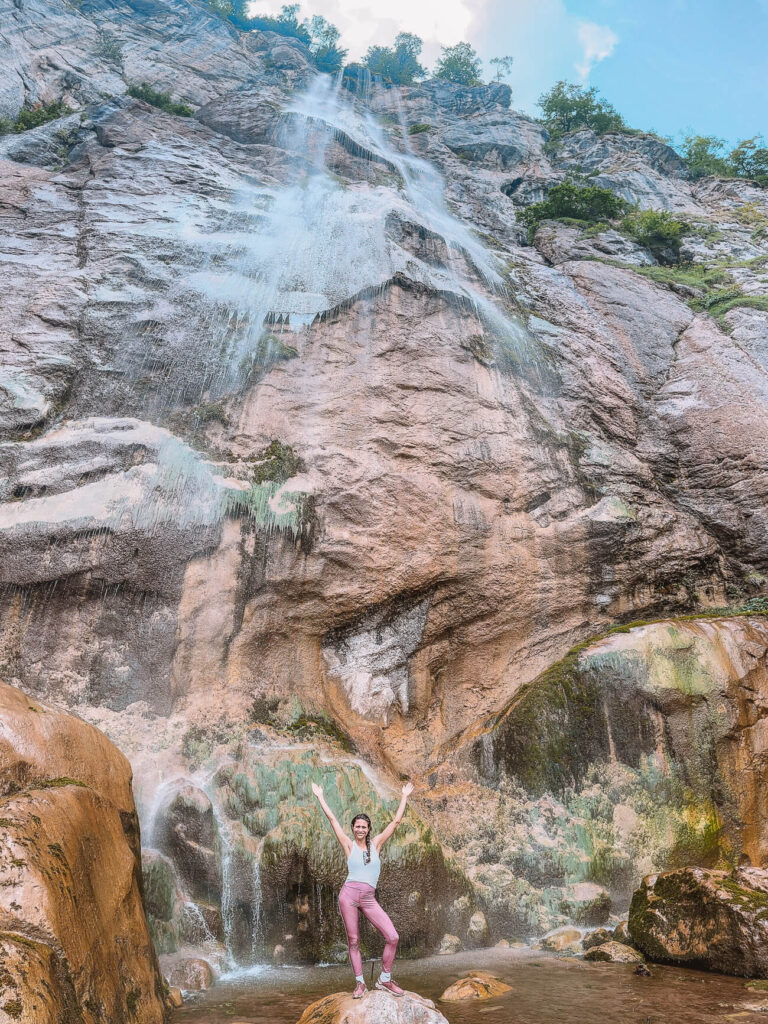
Sarajevo is surrounded by wild nature - giving travellers the opportunity to combine city life, architecture and history with activities such as hiking or mountain biking. It is around 20 minutes from the city centre to the starting point of the hike to the Skakavac waterfall, which plunges 98 metres into the depths. An impressive sight. The best way to explore the nature park with a local guide.
Food in Sarajevo
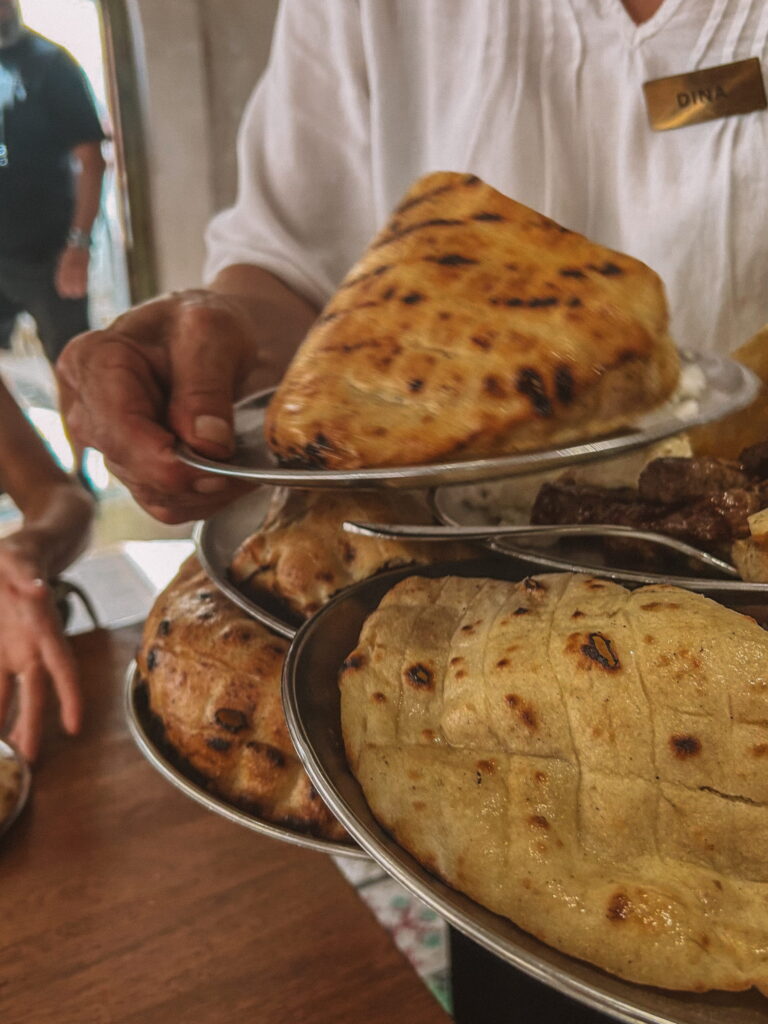
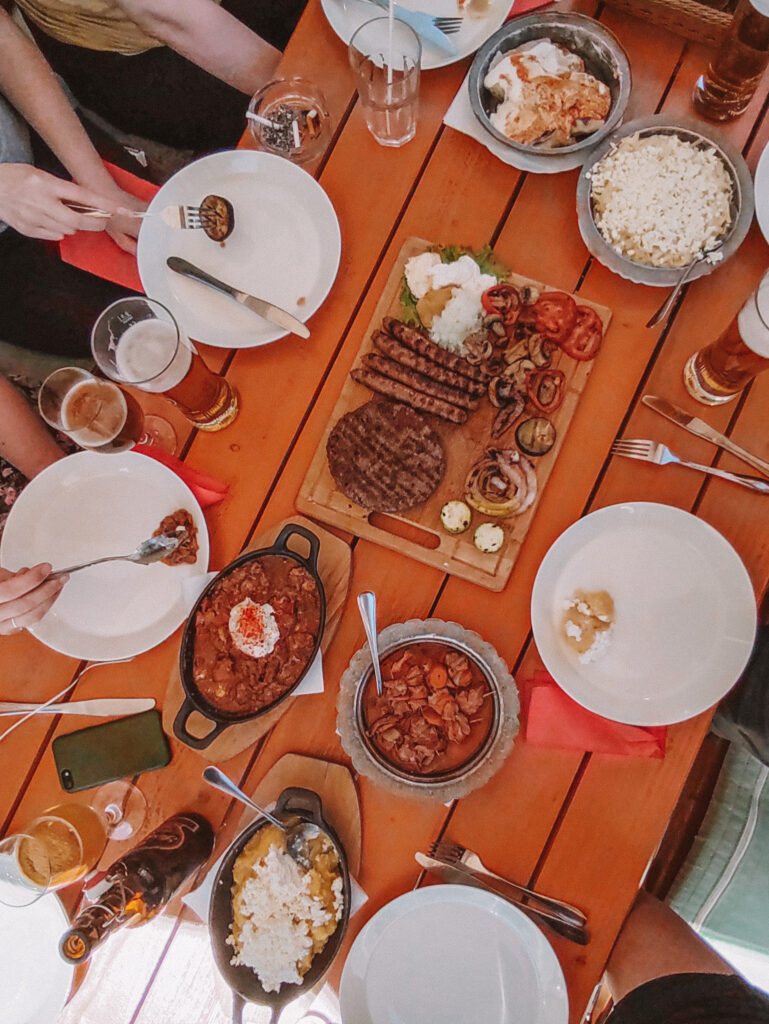
Sarajevo is the street food capital of the Balkans — at least for me. From ćevapčići (my ranking of the best in the city is here) to pita and dolmas (filled vegetables), the food here arrives fast and always fresh.
But the city is also evolving: modern street food concepts, fine dining, and fusion cuisine are appearing where they didn't exist a few years ago.
A few of my favorite places:
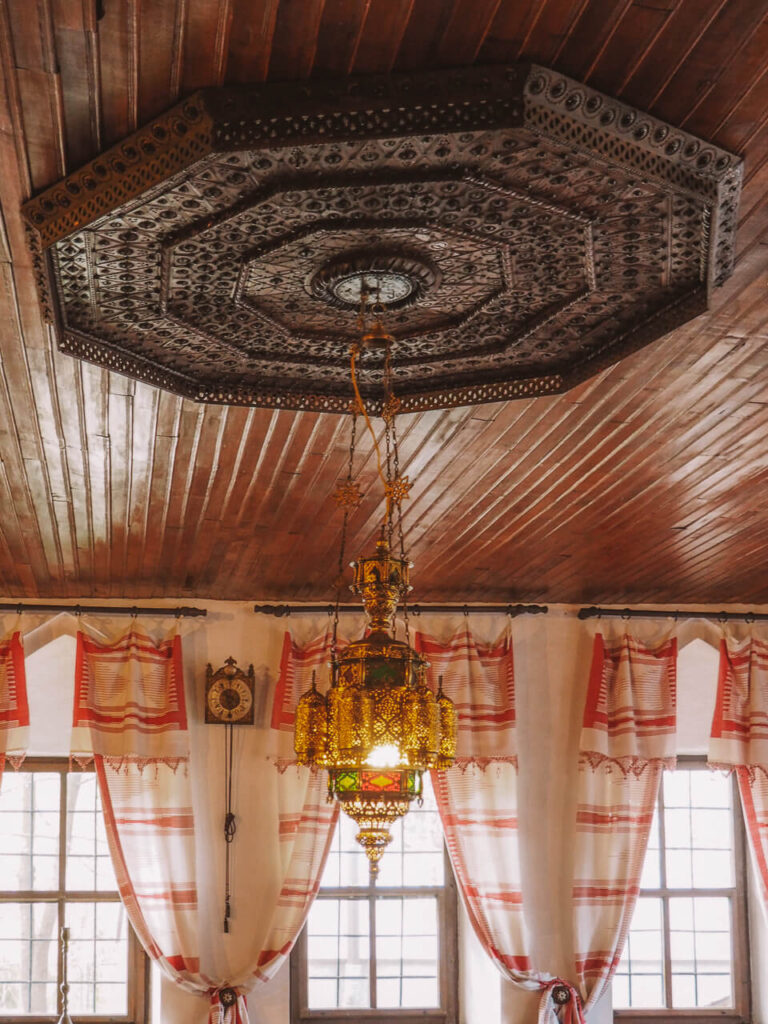
Inat Kuća | Completely irresistible for photos — especially the traditional Bosnian interiors and the house cat, Fatmir. Make a reservation.
Dveri | Traditional Bosnian cooking in the cosiest setting — like eating at your grandmother's, with absolutely the best pull-apart bread. Book ahead.
Nana Kuhinja | You sit at low Bosnian tables and are served traditional dishes on traditional plates. Order the klepe.
The best traditional restaurants I personally take my friends to when they visit are listed here. Not in the mood for Bosnian cuisine? My favourite restaurants in Sarajevo are here.
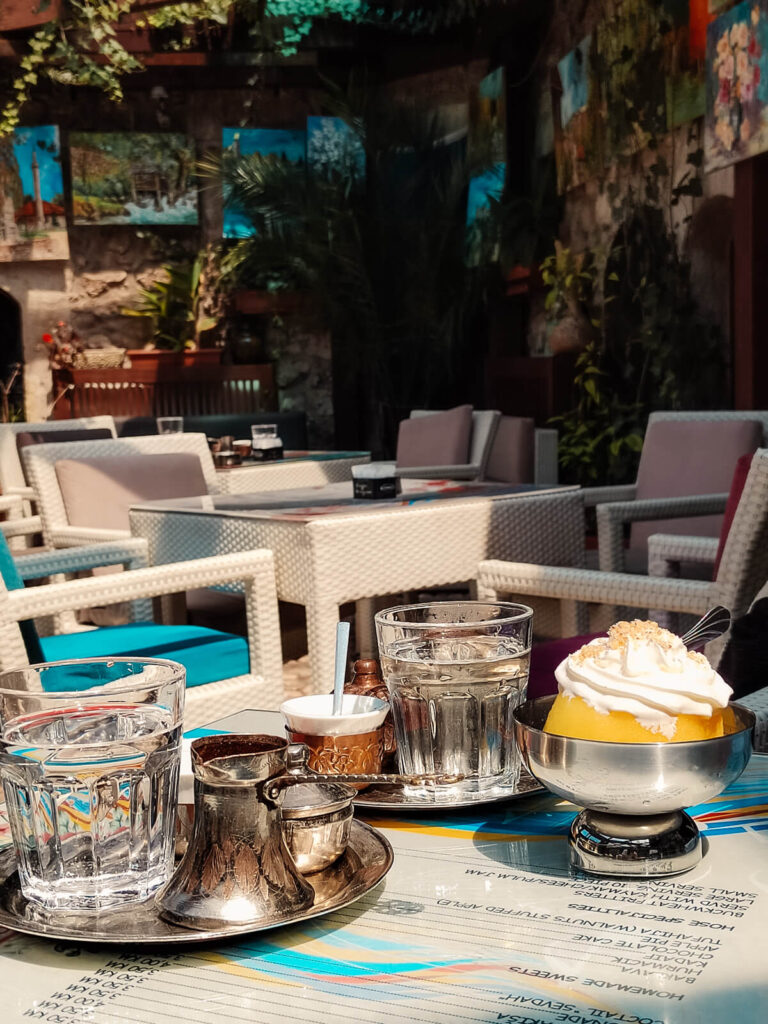
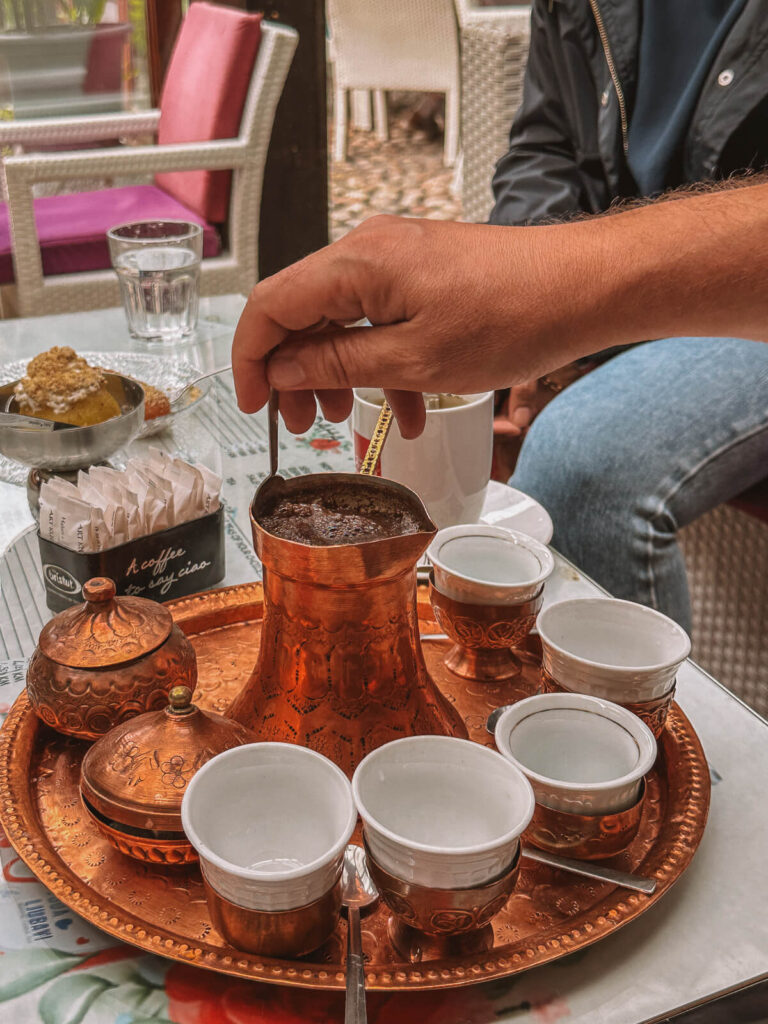
And of course:Sarajevo runs on coffee. The drink is as much a part of daily life here as the commute to work or catching up with friends. Make sure you sit down for a Bosnian coffee on Baščaršija. And if you want to go deeper, a guided city tourthat includes the coffee ceremony is the way to do it.
Where to Stay in Sarajevo
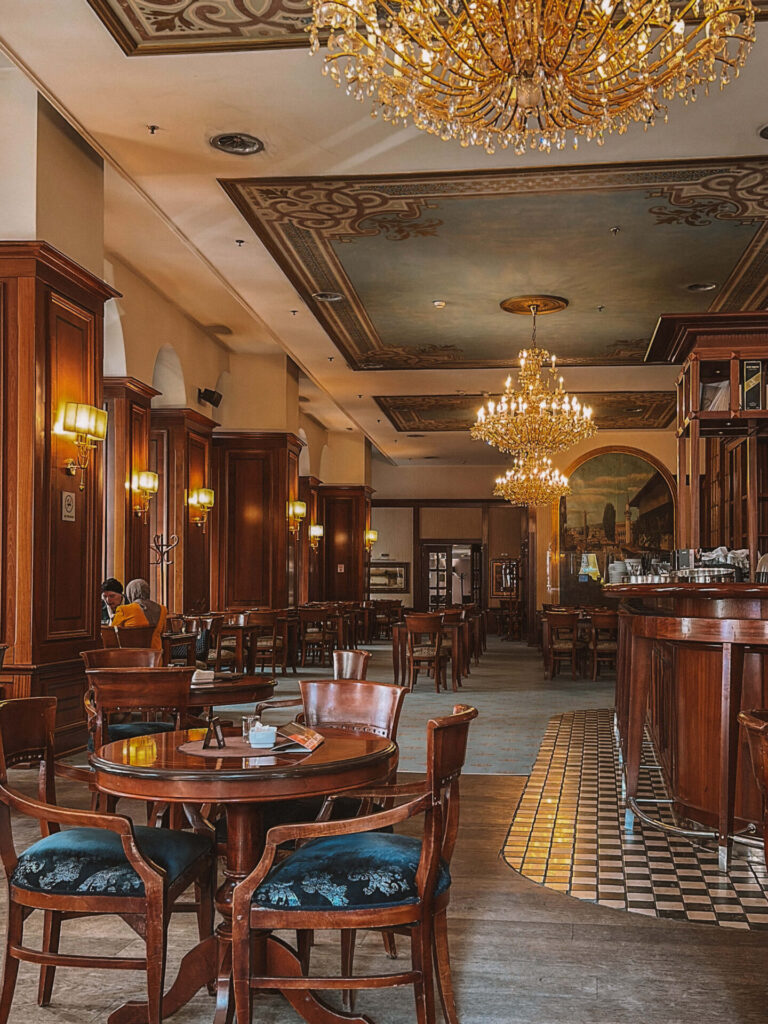
For a short trip, I'd recommend staying as central as possible in the old town — close to the main sights and restaurants, and right in the middle of the city's atmosphere as it wakes up in the morning.
Some of my favorite accommodations in Sarajevo:
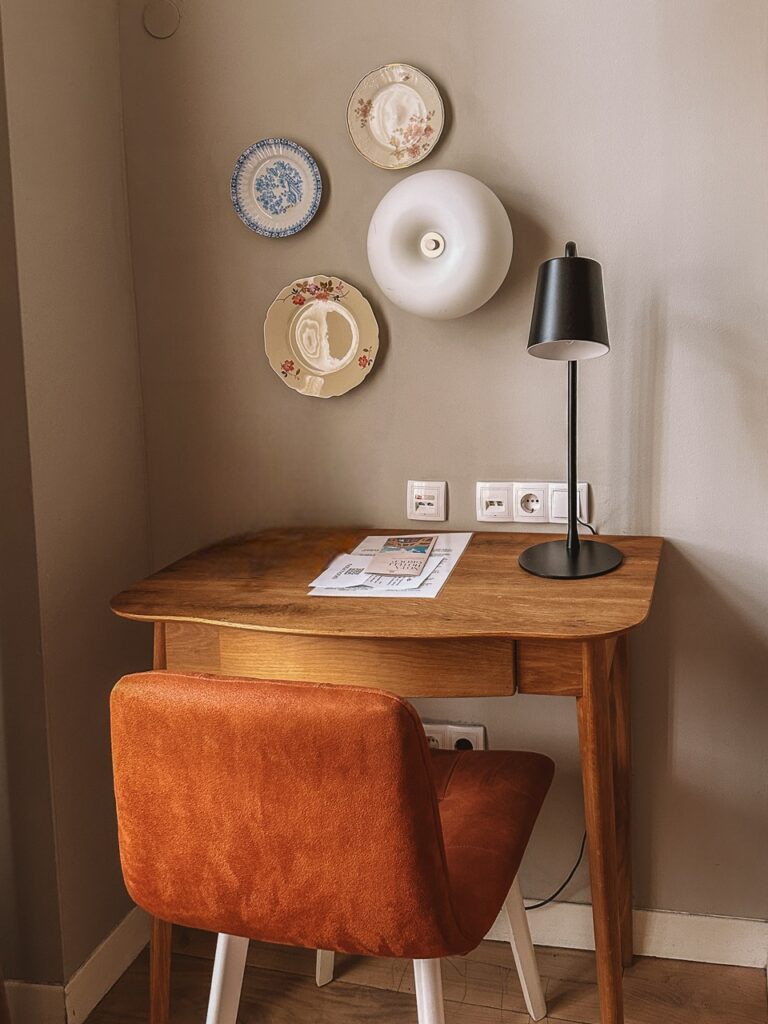
Hotel Ovo Malo Duše | One of my favourite hotels in the city, right in the old town and furnished with beautiful Bosnian craftsmanship — handmade furniture and rugs throughout. Only 6 rooms, so it feels genuinely private.
Hotel Baškuća | A beautifully designed boutique hotel just next to the old town, with great views and an excellent restaurant on-site.
Hotel Ovo Malo Duše | One of my favourite hotels in the city, right in the old town and furnished with beautiful Bosnian craftsmanship — handmade furniture and rugs throughout. Only 6 rooms, so it feels genuinely private.
İsa Begov Hamam Hotel | A truly special place to stay — you're sleeping in a historic Ottoman hammam and have access to the city's last remaining steam bath at any time.
Apartment Giulia | Perfectly central but on a quiet side street — ideal if you prefer some peace and quiet.
Best Time to Visit Sarajevo
City trips work pretty much year-round.
Personally, I find Sarajevo most beautiful in early summer — May and June. September and October have become favourites in recent years too.
If hiking is on your agenda, I'd go in autumn; some trails still have snow in April and May. In May the city is wonderfully quiet before July and August bring the summer crowds. That said, even peak season has its appeal — for example, the Sarajevo Film FestivalA full list ofcultural events in Sarajevo is here, if you are interested in going.
Winter has its own charm too —more on Sarajevo in winter here..
Otherwise: when it rains, get a coffee or find a museum. When it's windy, wander through the sheltered little streets instead of going hiking. Stay flexible and Sarajevo is worth a trip any season.
Is Sarajevo Safe?
First things first: Sarajevo is a safe, perfectly normal European city. A few practical notes though:
- Taxi drivers sometimes try their luck with tourists. The only solution: insist the meter is on before you go anywhere.
- Pickpockets : Watch your bags or your luggage - but this has less to do with Belgrade than with any other big city in the world.
- Transport is very heavy here and drivers show little consideration. So don't just cross at the zebra crossing, but look left and right instead
SIM Card & Mobile Data in Sarajevo
Bosnia and Herzegovina is not in the EU, so your roaming package won't cover you here. You can pick up a local SIM card from a kiosk on arrival, or grab an eSIM in advance. Airaloworks well and can be reused for other countries after your Bosnia trip.
Before you go: grab my My Rexby Bosnia & Herzegovina Guide — your digital pocket companion with everything mapped and curated for your trip.
Day Trips from Sarajevo
Mostar
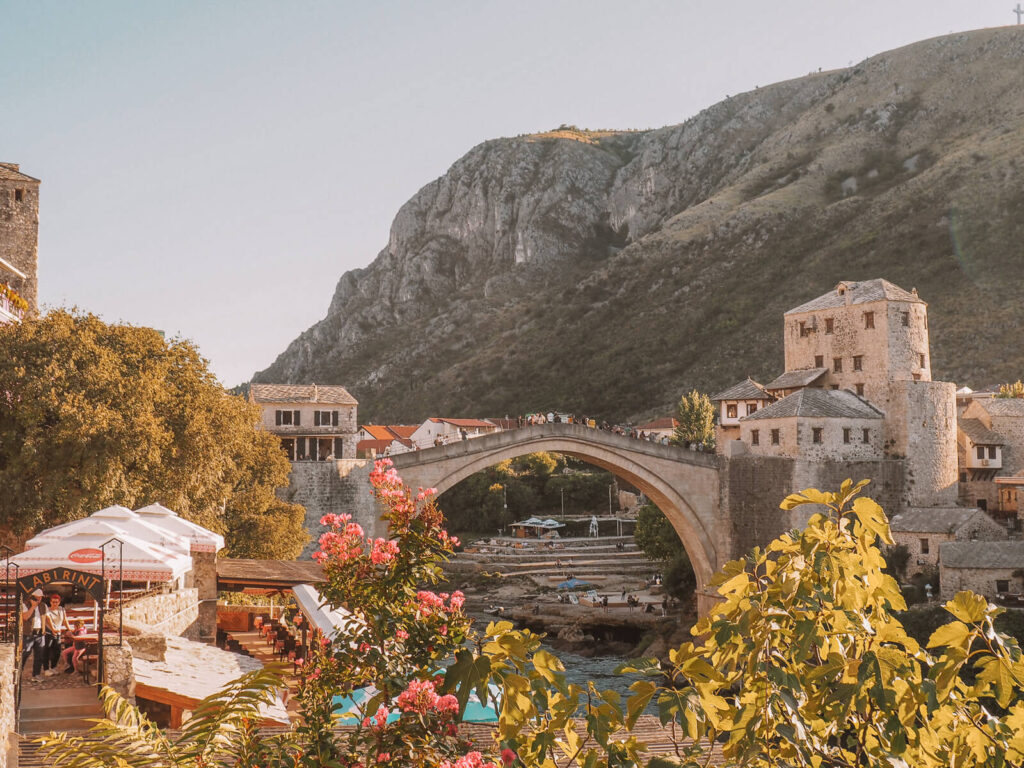
Taking the train from Sarajevo to Mostar is on many visitors' bucket lists — and rightly so. I'd recommend staying at least one night to do it justice: there's the UNESCO-protected old town with its iconic bridge, and plenty more beyond the city itself. If you only have a day, the morning train there and evening train back is very doable. You can find more ideas for Mostar here.
Lukomir Village.
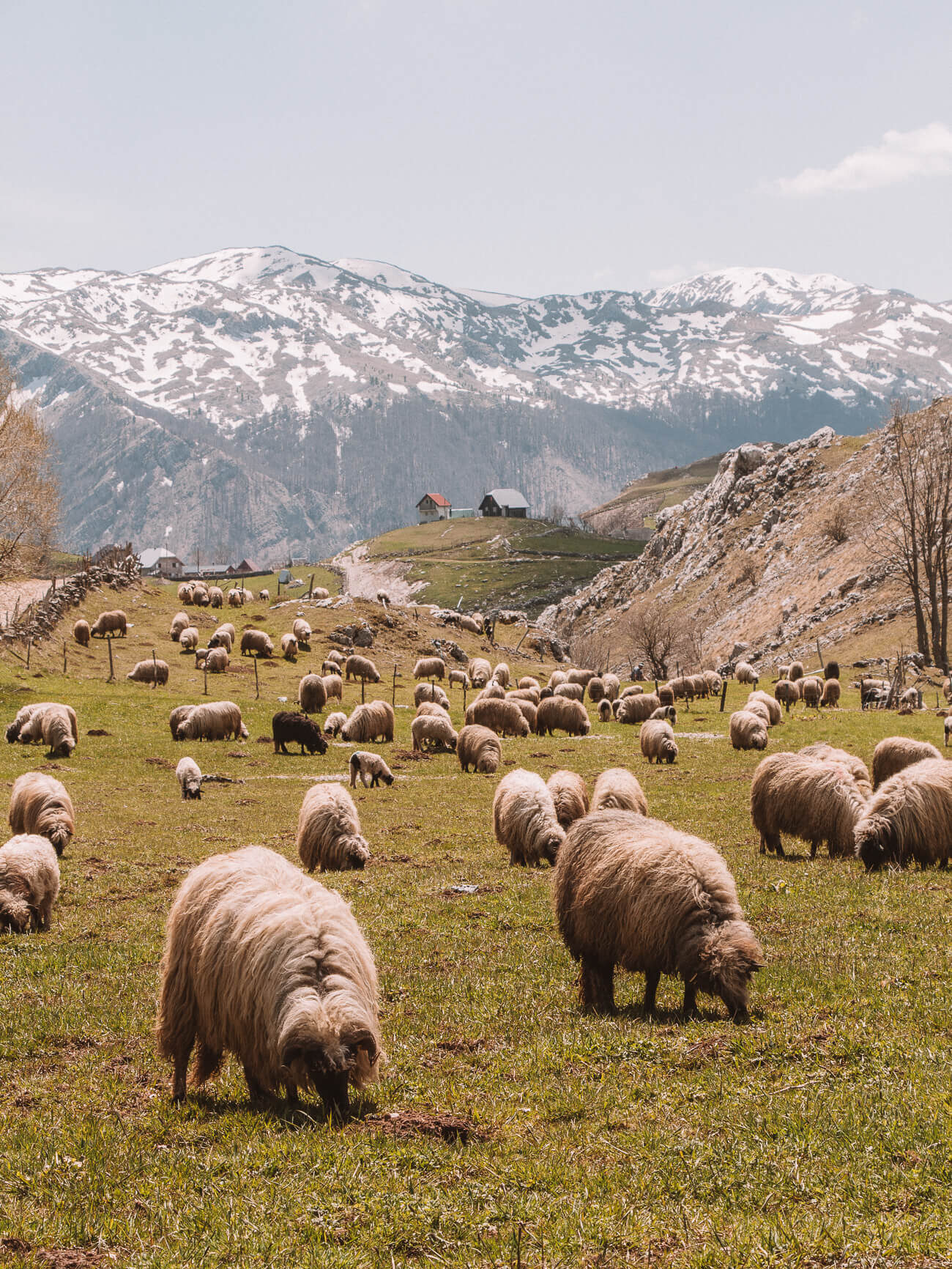
Mostar This remote mountain village at 1,500 metres is one of the most extraordinary destinations in Bosnia and Herzegovina, and a hike up there makes for a perfect day trip from Sarajevo. Time genuinely seems to have stopped in Lukomir, and the views along the way still knock me off my feet — even on my sixth, seventh, or eighth visit. Best done as a guided hike.
Vrelo Bosne
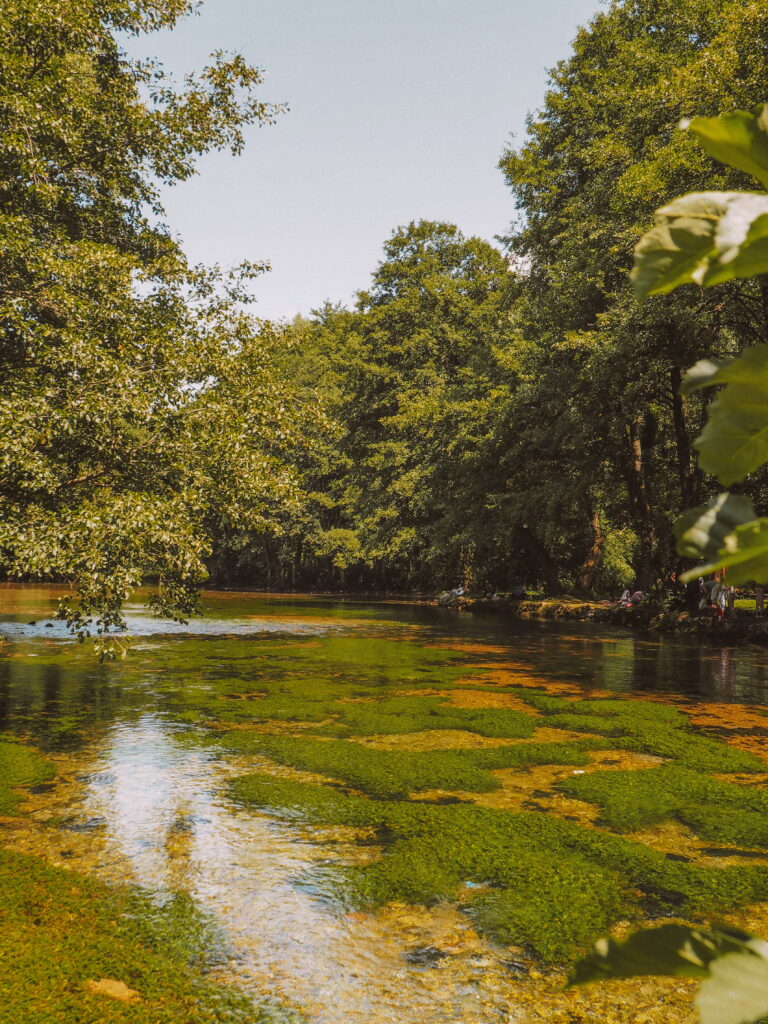
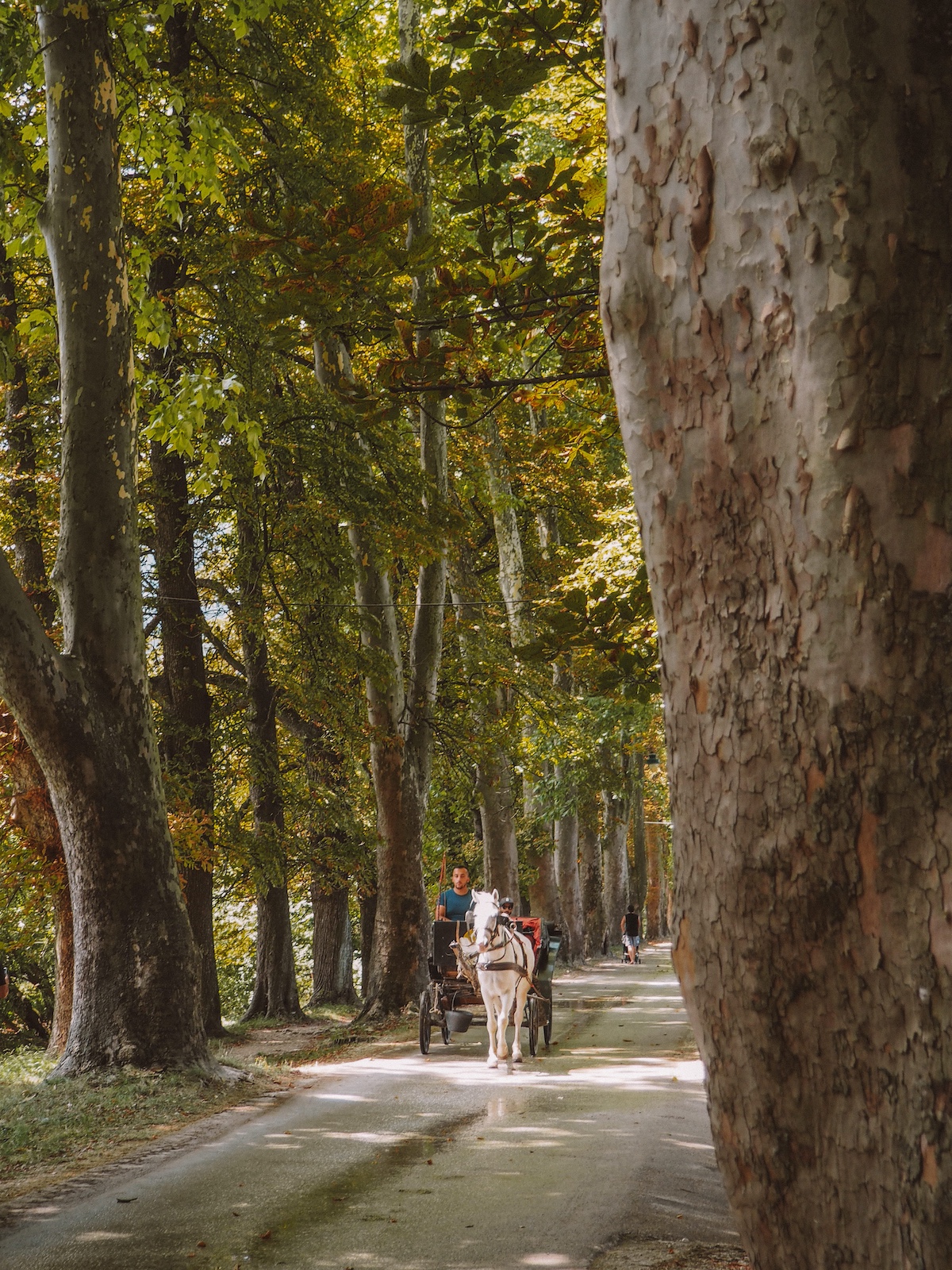
The Vrelo Bosne nature reserve in the Ilidža district is a beautiful park of meandering streams flowing from their source towards the Bosna river — the river that gave the country its name. Perfect for families, picnics, and a calm break from the city.
Ready for Sarajevo?
You now have everything you need for your trip. Don't just work through a checklist though — leave some room to let the city sink in. If you want a ready-made itinerary, my plans for 3, 4, or 5 days are here, including day trips.

 )
)