Planning a trip to Bosnia and Herzegovina? I've lived in Sarajevo for five years and have travelled pretty much every corner of the country by now. Everything you need for your trip, I've put together right here.
In the first few years after moving to Sarajevo, I spent most of my time trying to convince my friends to come visit me in Bosnia and Herzegovina. Fortunately, that has changed: From the capital, Sarajevo, to my favorite landmark, the Stari Most bridge in Mostar, the country is now featured in almost every travel magazine.
And if you’ve been here once, you’ll definitely come back! I promise—at least that’s been the case for all my friends so far, whether they love city breaks or the great outdoors.
In this post, you’ll find everything—and I mean everything—you need to know for your road trip through Bosnia and Herzegovina (including the things others might not mention 😉). So let’s get started!
This blog article contains personal recommendations in the form of affiliate links. If you book or buy something via the links, I will receive a small commission. This does not change the price for you at all. Thank you for your support.
Jump directly to ↓
Why Bosnia and Herzegovina?
Anyone who has spent time in the Balkans talks above all about the warmth of the people — and that's exactly what stays with you after a trip to Bosnia and Herzegovina. Add to that a nature that is, in many parts, still genuinely undiscovered, excellent food, and a cultural and religious diversity unlike anywhere else in Europe, and you have a destination where every kind of traveller finds something to take home.
Essential Information at a Glance
Entry & Visa
Bosnia and Herzegovina is not part of the EU or the Schengen Zone. German, Austrian, Swiss, and EU citizens do not need a visa. You can enter with a national ID card and stay visa-free for up to 90 days. Make sure your document is still valid for at least for three more months at the time of exit.
What is the Bosnian currency?
The official currency is the Convertible Mark (KM/BAM). The exchange rate is fixed: 1 Euro = 1.95583 KM — easy to calculate. ATMs are widely available, but since Bosnia is not in the SEPA system, you can expect fees of around 5–6 euros per withdrawal. It's better to bring cash and exchange it locally. While card payments are widely accepted, smaller shops and restaurants sometimes only take cash.
Language & Communication
Bosnian, Serbian and Croatian are spoken in Bosnia and Herzegovina — you can compare the three languages to German and Austrian; apart from a few words they're the same. In the Republika Srpska entity it's worth downloading Google Translate in the offline version, as some menus and street signs are only in Cyrillic.
Since Bosnia is outside the EU, standard roaming rules don't apply. I recommend getting an eSIM before you travel to avoid any unexpected bills. You can buy a Bosnia eSIM directly here.
Is Bosnia a safe destination?
I have never had a bad experience in Bosnia. It is an absolutely safe country to travel in. The people are warm, helpful and welcoming. On a trip through Bosnia and Herzegovina, you will collect more good experiences and encounters than bad ones — I'm certain of that.
If you're travelling with a rental car or your own vehicle, I'd still recommend parking in a supervised car park, and of course it goes without saying that in crowds and at major sights, you keep an eye on your phone and bag — as you would anywhere.
Official hiking trails are mine-free. Do keep an eye on whether there have been recent floods or landslides in the area you're heading to. In the mountains, stick to the marked trails and don't leave them — not only because of any residual risk in truly remote areas, but for your own safety, to protect the endemic flora and fauna of the Dinaric Alps, and so you can be found more easily if you need help. When in doubt, ask locals. The same applies to ruins: fascinating to explore, but not always structurally sound.
Since Bosnia is not in the EU, I strongly recommend travel insurance with medical cover for your trip.
When is the best time to visit Bosnia and Herzegovina?
The best time to travel depends entirely on what you want to do. The best time depends entirely on what you want to do. My personal favourites are May and June and September and October — temperatures are comfortable for hiking and city exploring, and the crowds are manageable.
- Spring | Perfect for city trips. Rafting is at its most exciting. Higher trails may still have snow, and early spring can be rainy.
- Summer | Temperatures across the country can reach 40°C. Great for time at rivers, lakes and outdoor events in the cities. Rafting
- Autumn | Ideal hiking months with pleasant temperatures. Wine harvest season in Herzegovina. Cities quieter again.
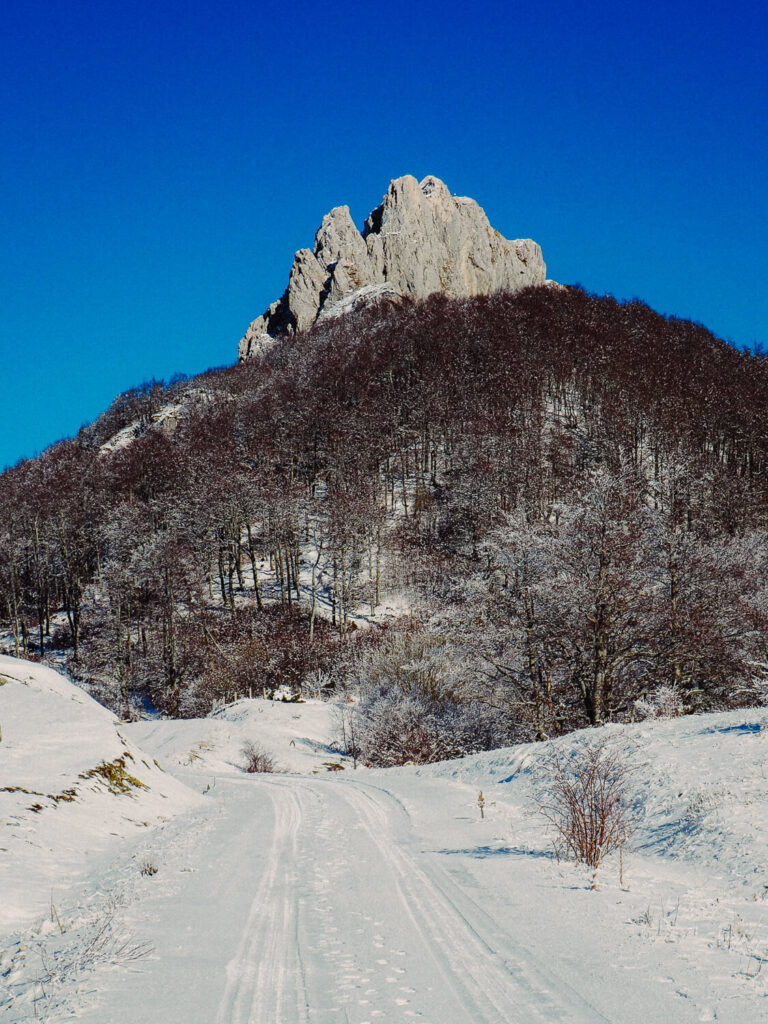
- Winter | Perfect for skiing around Sarajevo or a slow, atmospheric Christmas break.

Getting to Bosnia and Herzegovina
By plane
Bosnia and Herzegovina has four international airports: Sarajevo (SJJ), Tuzla (TZL), Banja Luka (BNX) and Mostar (OMO). Airlines including Eurowings, Wizz Air, Ryanair, Lufthansa and Austrian fly direct from Germany, Austria and Switzerland, depending on the season.
An alternative worth considering: fly into Split, Zagreb or Dubrovnik and continue by rental car. This works particularly well if you're combining Bosnia with other countries in the region.
 In this article, I’ll explain how to get from Split to Sarajevoand which route is best. You can find all the options for the Sarajevo–Dubrovnik route here.
By rental car
Driving is a great way to explore Bosnia — especially if you want to get beyond Sarajevo and Mostar. There's no vignette system; tolls are paid at fixed stations. The main roads are well maintained; mountain roads call for more patience and a higher clearance if you're heading into the more remote areas.
I recommend booking through DiscoverCars to compare options and make sure you have full coverage with no excess.
By Bus or Train
From Croatia there is one direct train connection to Sarajevo — from the port town of Ploče. It's not ideal, but it is one of the most beautiful rail routes in the Balkans. Build in some buffer at the border crossing, as waiting times can vary. Travelling by bus to Croatia, Serbia or Montenegro? It's possible, but my honest opinion: better to take a private shuttle. Border waiting times can add a few hours to the journey.
Getting around in the country
Bosnia and Herzegovina is bigger in area than you might think — so journey times deceive. The roads lead through mountains, canyons and river valleys, which means: curves instead of motorway. An hour on the map can easily mean two hours on the road.
Rental car
For everyone who wants to see more than Sarajevo and Mostar, a rental car is the best option. Sutjeska, Una, Trebinje, Jajce — these places are either hard to reach by public transport or require complicated connections. With your own car you're flexible, can stop spontaneously and reach the areas that most travellers never get to.
Bus
The bus network is well developed and connects the largest cities reliably. The main routes:
- Sarajevo → Mostar: approx. 2.5 hours, several departures daily
- Sarajevo → Banja Luka: about 6 hours
- Sarajevo → Jajce: around 4 hours
Tickets are best bought directly at the bus station or online at Centrotrans.
Taxi & Ridesharing
In Sarajevo and the larger cities, taxis are cheaper than in Germany or Austria. The usual apps don't work in Bosnia and Herzegovina, but you'll find plenty of taxi ranks spread across the cities. Important: always make sure the meter is switched on.
On Foot & By Bicycle
All cities in Bosnia and Herzegovina are easy to explore on foot. The sights in the old towns are generally close together. If you want to hike but don't have a car, there are also some great day trips around Sarajevo — more on that further below.
Costs & Budget
What you spend in Bosnia and Herzegovina depends less on the country than on what you're looking for. Generally I don't like to give cost and budget estimates.
Accommodation ranges from campsites and apartments to hotels — so it really depends on your preferences. Many activities can be booked from around 20 or 30 euros per person. I would recommend choosing certified providers whose equipment is properly maintained and who respect the country's nature.
Sarajevo and Mostar are naturally more expensive as tourist centres than the rest of the country — but even there you can make savings with a hotel outside the old town or dinner at a more local restaurant.
One thing I'd like to point out: many things in Bosnia and Herzegovina cost the same as or even more than in Germany — and people here need to make a living too. So please don't try to push prices down or negotiate. That's simply not the done thing here.

The Best Destinations for a Holiday in Bosnia
This is probably the part you're here for. Because now we get to the heart of it: what are the best destinations?
The Capital Sarajevo
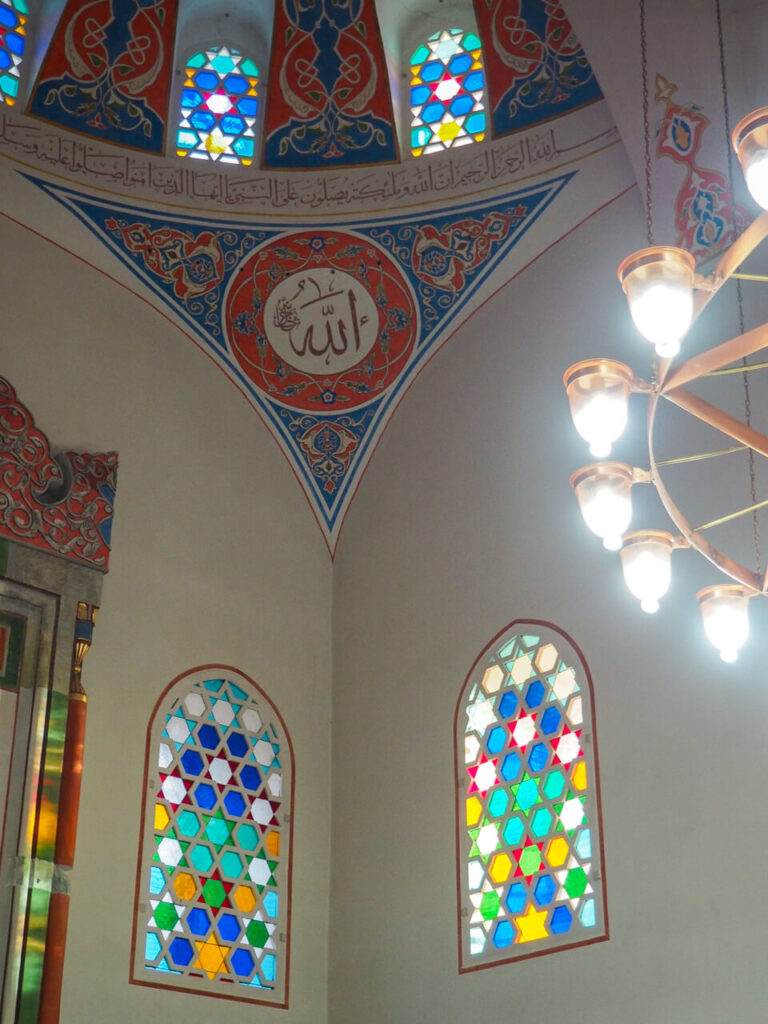
Sarajevo is a city you have to let soak in. Here you'll find the Latin Bridge, where a shot in 1914 changed the world; Judaism, Christianity and Islam have coexisted peacefully in this city for centuries, sharing their holidays and traditions. And of course the capital is the best place to taste Bosnian cuisine.
Want to take a tour of Sarajevo? How about a city tour with Bosnian coffee tasting or a food tour?
Articles about Sarajevo
- Sarajevo Travel Guide: Top things to see, travel tips & local secrets
- How many days in Sarajevo are enough? (+ itinerary suggestions)
- What to eat in Sarajevo: 10 Bosnian foods you must try (+ where to eat them)
- 3 days in Sarajevo | Perfect travel Guide & Itinerary
- The absolute best restaurants in Sarajevo (selected by a local foodie)
Where to stay in Sarajevo
- Heritage Hotel Petrakija: Cosy boutique hotel just behind the Sacred Heart Cathedral in the old Jewish quarter
- Hotel Eleven: a modern and new hotel in the old town, just a stone's throw from all major sights
- Hotel Ovo Malo Duše: Small boutique hotel in the middle of the old town with beautiful, Bosnian-style decorated rooms
- Isa-Begov Hamam Hotel: Boutique Hotel with Ottoman-style rooms and a working hamam
- Hotel Central: Located in an old Austro-Hungarian building with gym and spa
- Hotel Baškuća: Beautiful boutique hotel with a Bosnian designer interior and an excellent restaurant on-site


Mostar and Herzegovina
Everyone loves Mostar — and for good reason. The Stari Most, the Old Bridge, is not only a UNESCO World Heritage Site but also the iconic Bosnia photo.
The problem is that almost all visitors take the same photo and then leave again. Those who stay notice: Mostar is more than the bridge. The old town, the streets behind it, the banks of the Neretva river... there is more to discover here. You should definitely plan at least one night.
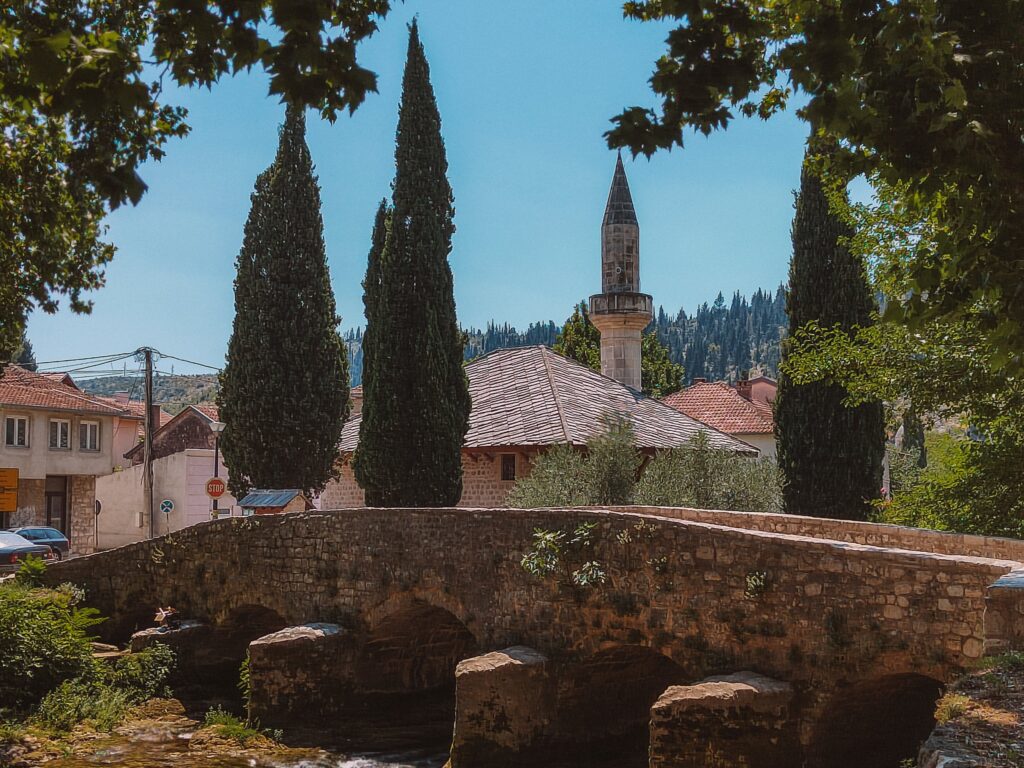
The Herzegovina region around it is one of the most underrated regions, as many visitors only stop to see the dervish monastery in Blagaj at the source of the Buna or the Kravica waterfalls. But you're spoilt for choice: wine tastings in Ljubuški, Illyrian ruins in Stolac, a Mediterranean feel in Trebinje... I would plan three to four days for Herzegovina.
Articles about Mostar and Herzegovina
- Which city should you visit: Sarajevo or Mostar?
- Mostar: Seven insider tips from locals for Bosnia and Herzegovina's jewel
- The 8 best restaurants in Mostar | Local foodie guide
- Blagaj: Sights and guide to the village with the dervish monastery dem Derwischkloster
- Guide to Stolac | Best things to do in Bosnia's crossroad of cultures
- Kravica Waterfalls | Your guide to visiting Bosnia's most beautiful waterfall
Where to stay in Mostar
- Hotel Hana: Simple but clean hotel in a central location with quiet rooms
- Villa Gunga: Apartments in the centre of Mostar with a view of the crooked bridge
- Shangri La Mansion: Beautiful family-run hotel near the city centre
- Muslibegović House: Stay in an old Ottman house and museum
- Hotel Kriva Ćuprija: Located directly on the Crooked Bridge
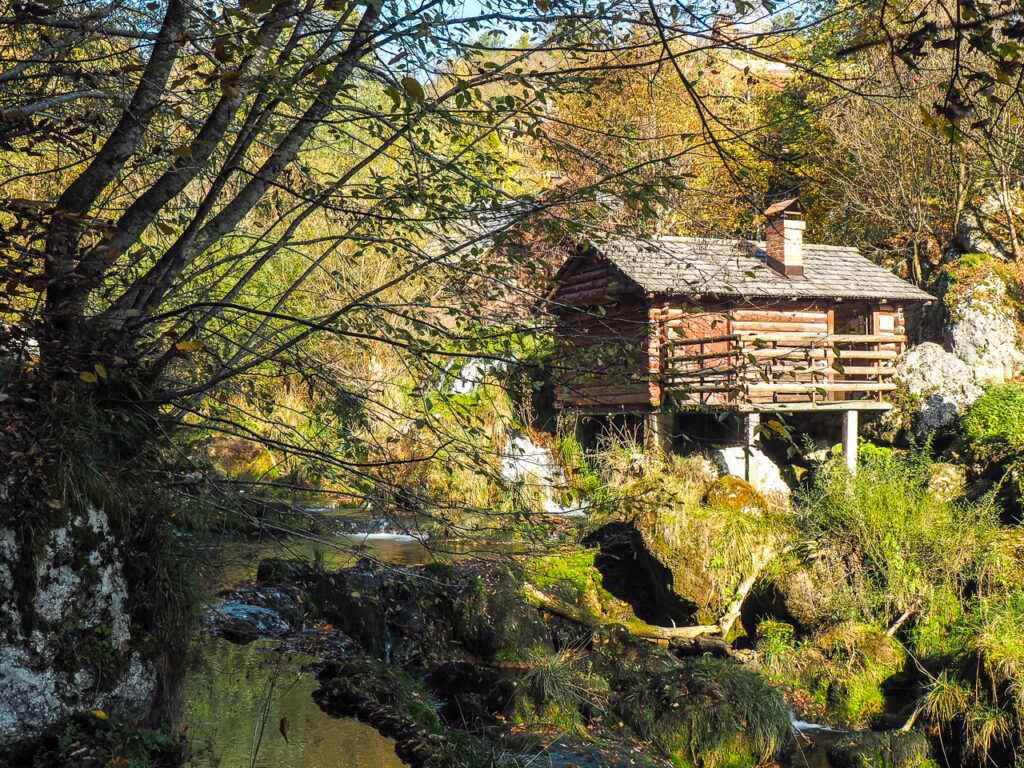
The Medieval Royal City of Jajce
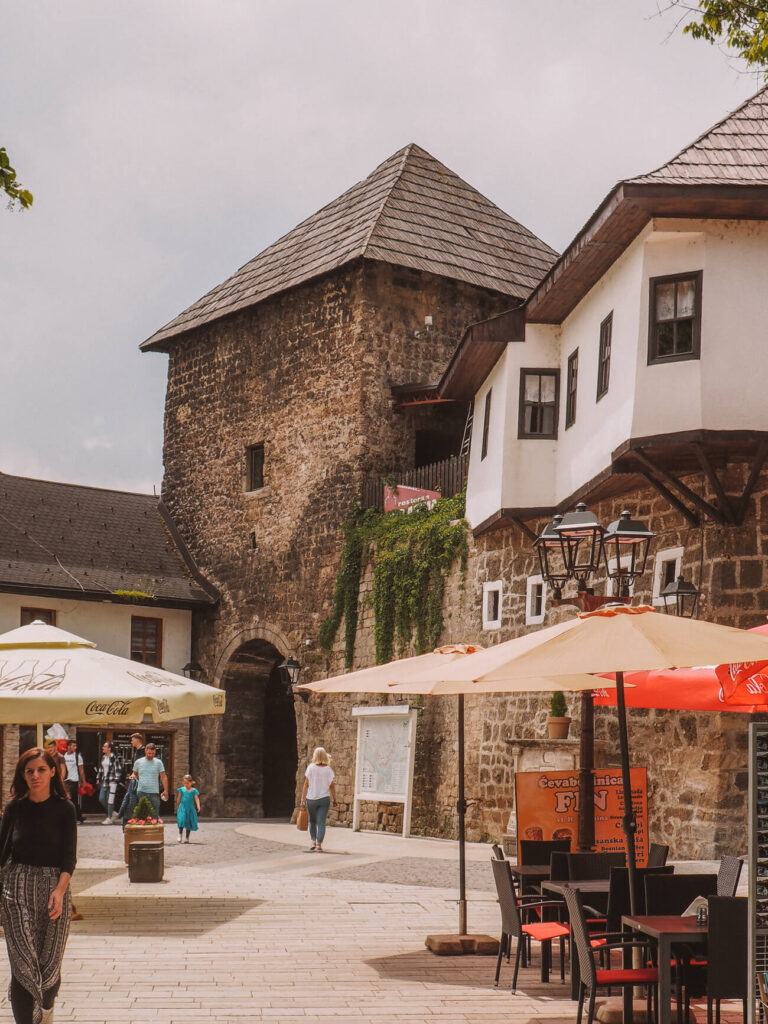
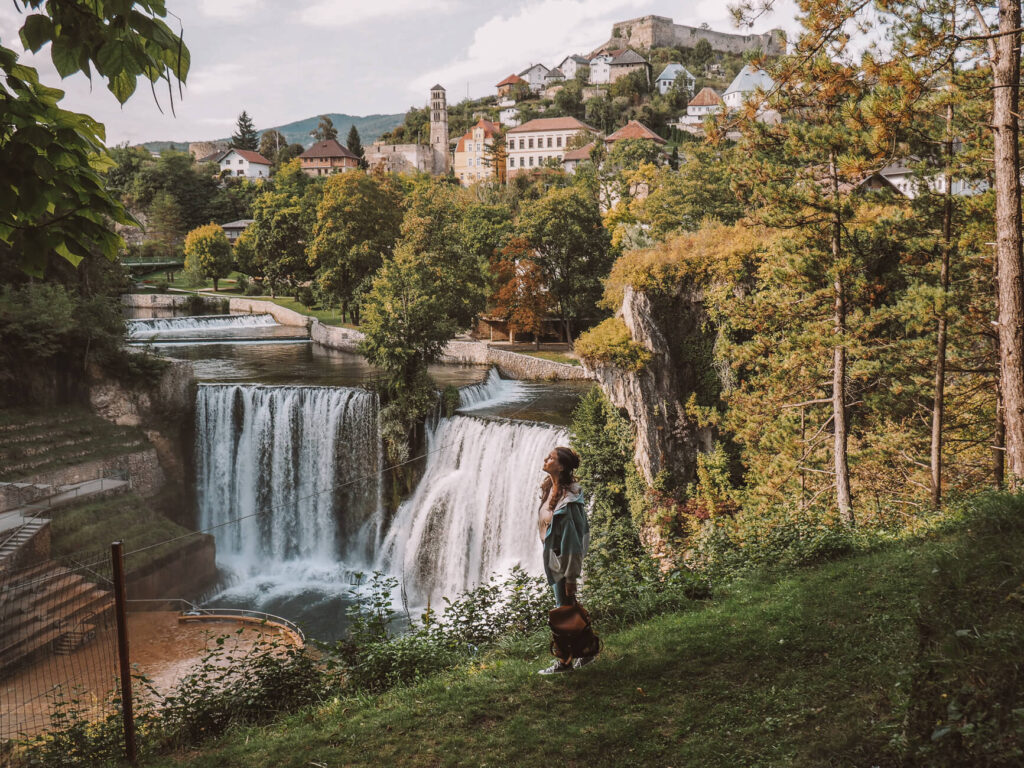
Anyone who visits Jajce can only move in quiet, deliberate steps through a city where Bosnian kings once walked and where Marshal Tito proclaimed the Socialist Federal Republic of Yugoslavia in the midst of the Second World War. And then there's the waterfall that plunges right into the centre of town, as if that were perfectly normal. Worth an overnight stay? Absolutely, so there's time for the watermills of Mlinčići and the Pliva lakes too.
→ More about Jajce: The 8 best things to see in Jajce | The royal city of Bosnia and Herzegovina
Bihać and the Una National Park
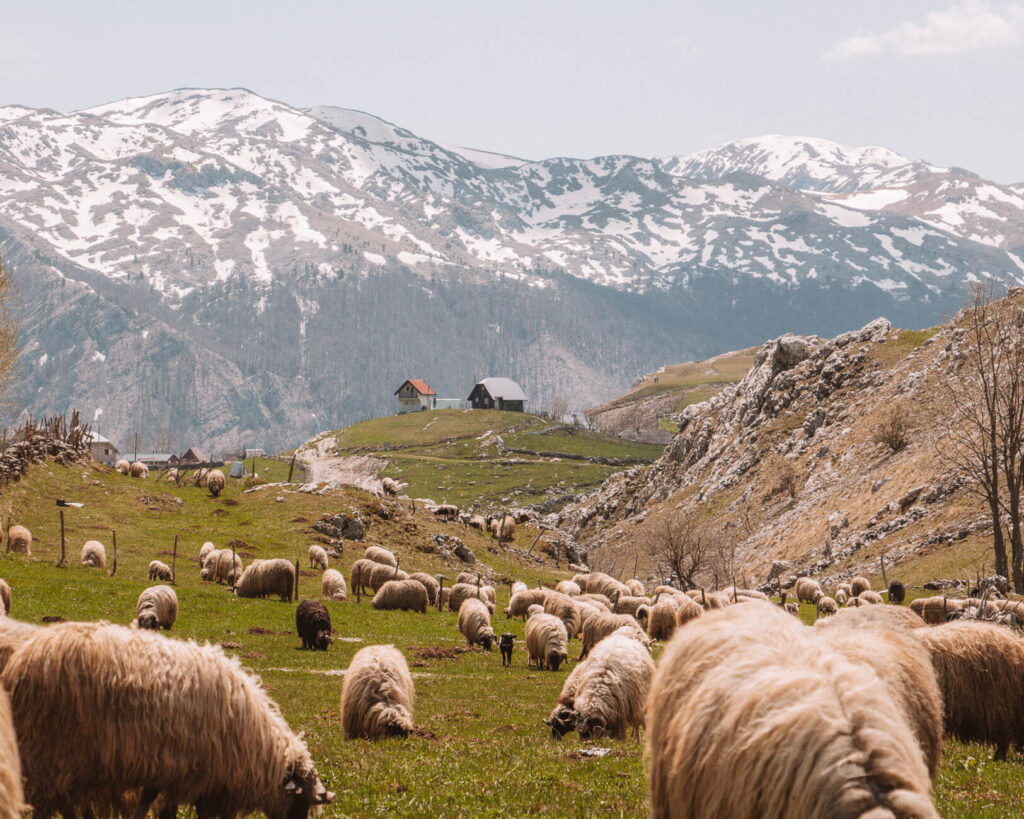
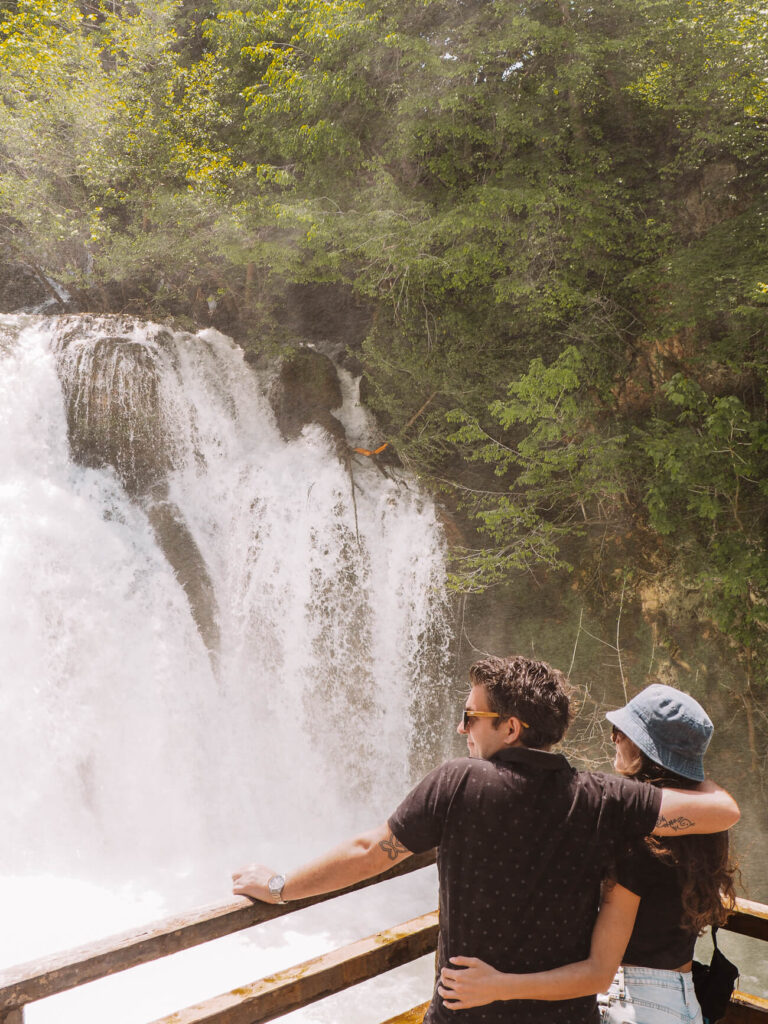
The northwest of Bosnia is what travellers mean when they say they're looking for genuinely untouched nature. The Una National Park with its turquoise-green cascades and rapids is a paradise for hikers, rafters and anyone who simply wants to sit by the water for hours. Bihać itself is a relaxed small city — no tourist infrastructure, no crowds. Just Bosnia as it looks off the usual travel routes.
→ More about Bihać: Your guide to Bihać and the Una National Park in Bosnia and Herzegovina
Banja Luka
Bosnia's second-largest city has an undeservedly low profile. Wide boulevards, green parks, thermal springs, architecture from across the centuries — Banja Luka is a city best visited without expectations and left with surprises. Pairs well with Jajce on a route through central Bosnia.
→ More about Banja Luka: The 13 most beautiful sights in Banja Luka
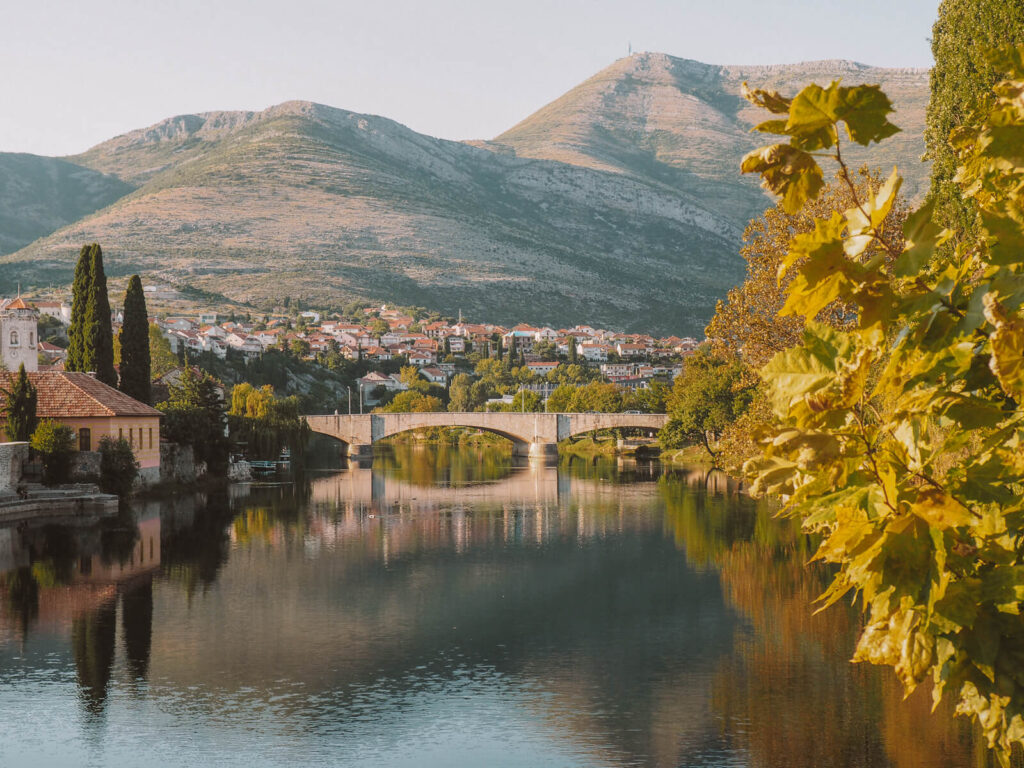

Trebinje
My favourite city in Bosnia and Herzegovina. Every time I visit Trebinje, I miss it the moment we pass the town sign on the way out. The southernmost city in the country has that easy, Mediterranean quality you might otherwise look for in Italy or the south of France — and it costs you nothing like a trip to the Mediterranean. The Trebišnjica river, the old town, the vineyards of the surrounding area: Trebinje is a discovery you'll want to keep to yourself.
→ More about Trebinje: Trebinje in Bosnia: sights and local tips
Neum
Yes, Bosnia has sea access. Just 24 kilometres of Adriatic coastline — but enough for a few relaxed days by the water, away from the packed Croatian beaches next door. Neum isn't a glamorous destination, but that's exactly the point: no cruise ships, no selfie sticks in front of sunsets. Just the sea.
→ More about Neum: Beach holidays in Bosnia: Neum - the insider tip on the Adriatic Sea
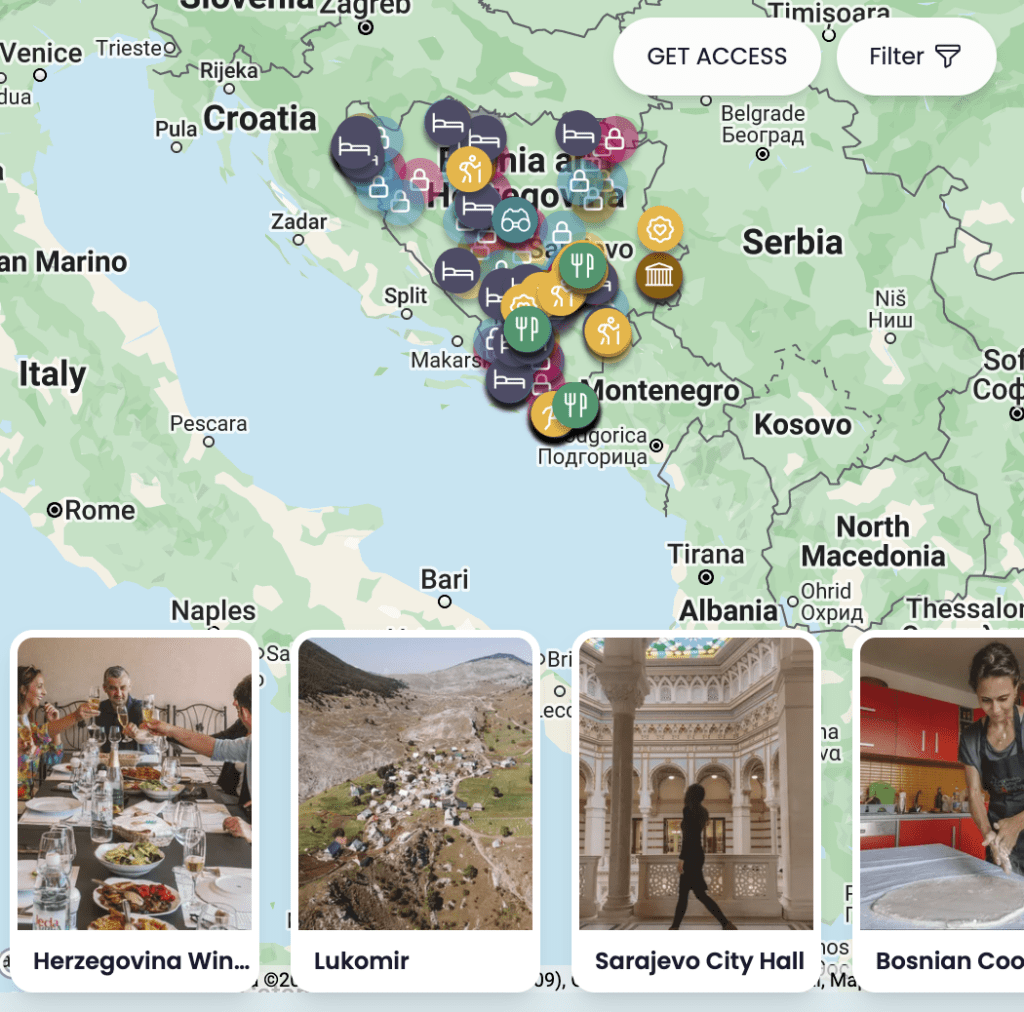
Your Bosnia and Herzegovina Travel Guide
All the essential information for your trip—maps, attractions, restaurants, accommodations, insider tips—compiled into a single digital travel guide that you can use offline on your phone.
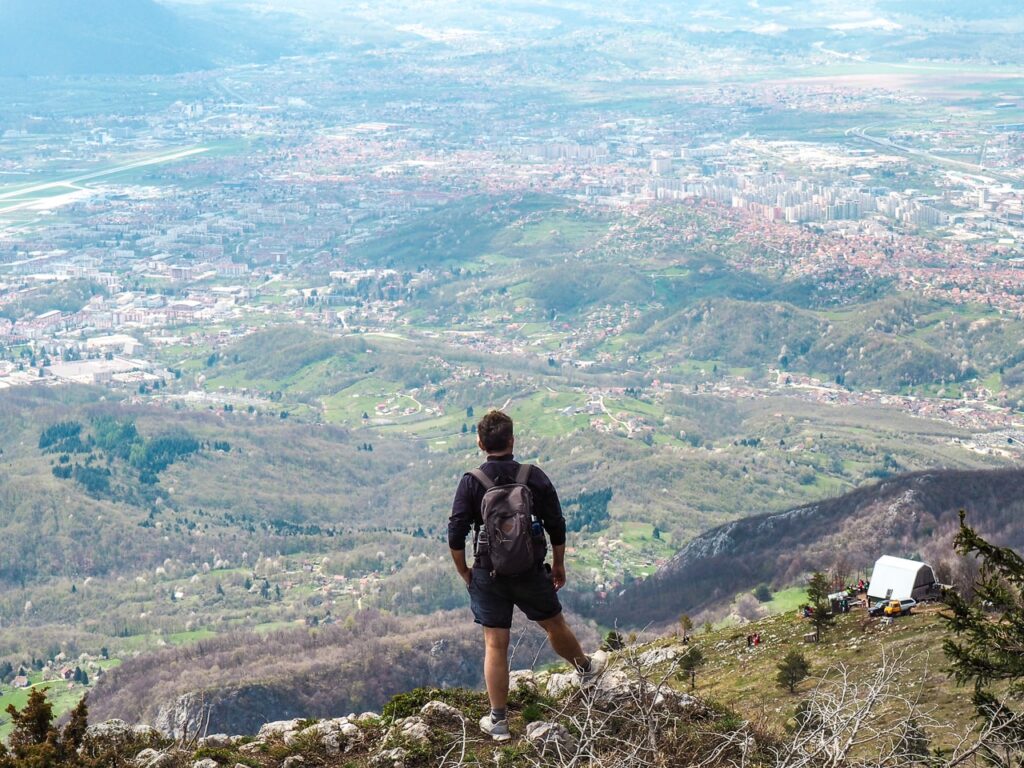

Natur und Wandern in Bosnien und Herzegowina
Sutjeska National Park
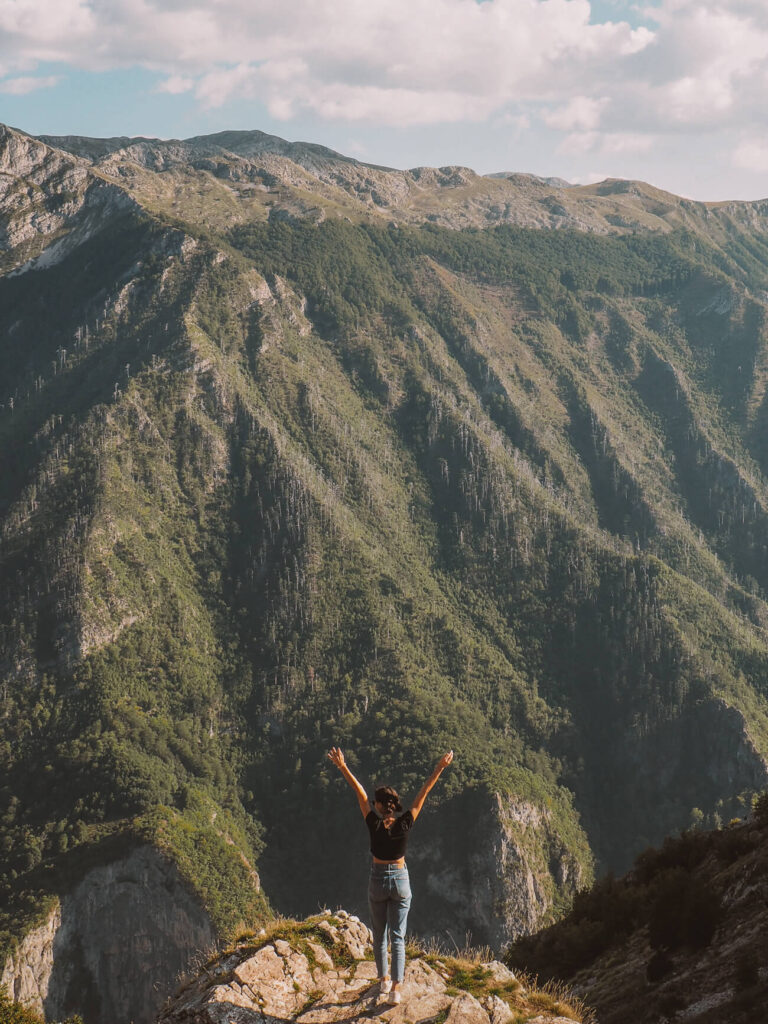
Bosnia and Herzegovina's oldest national park lies around two hours from Sarajevo — 17,500 hectares, peaks above 2,000 metres, and one of the last primeval forests in Europe: the Perućica. Trees that are 300 years old and no marked trails. Entry to the primeval forest is only permitted with certified guides and limited to 16 people per day — not bureaucracy, but because this place is what it is, because it has never been otherwise. If you choose only one nature destination in Bosnia, make it this one.
→ More about Sutjeska: Hiking in Sutjeska National Park: the most beautiful routes & hikes
Day Hikes Around Sarajevo
Sarajevo sits in a bowl of mountains — from almost anywhere in the city centre, you're in the forest within 20 minutes. Trebević is the mountain the locals call their own: cable car to 1,627 metres in ten minutes, then trails through beech forests to the old Olympic bobsled track and viewpoints over the whole city. Wer mehr Zeit hat, wandert zum Skakavac-Wasserfall oder nach Lukomir.
Bosnia and Herzegovina's Most Beautiful Waterfalls
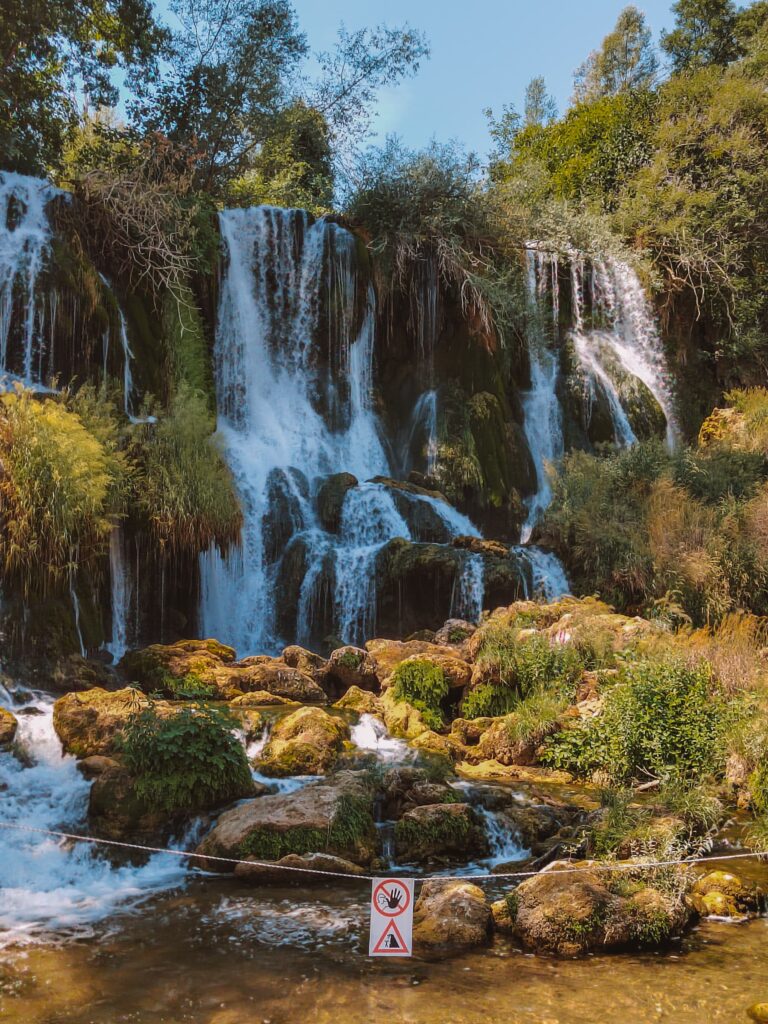
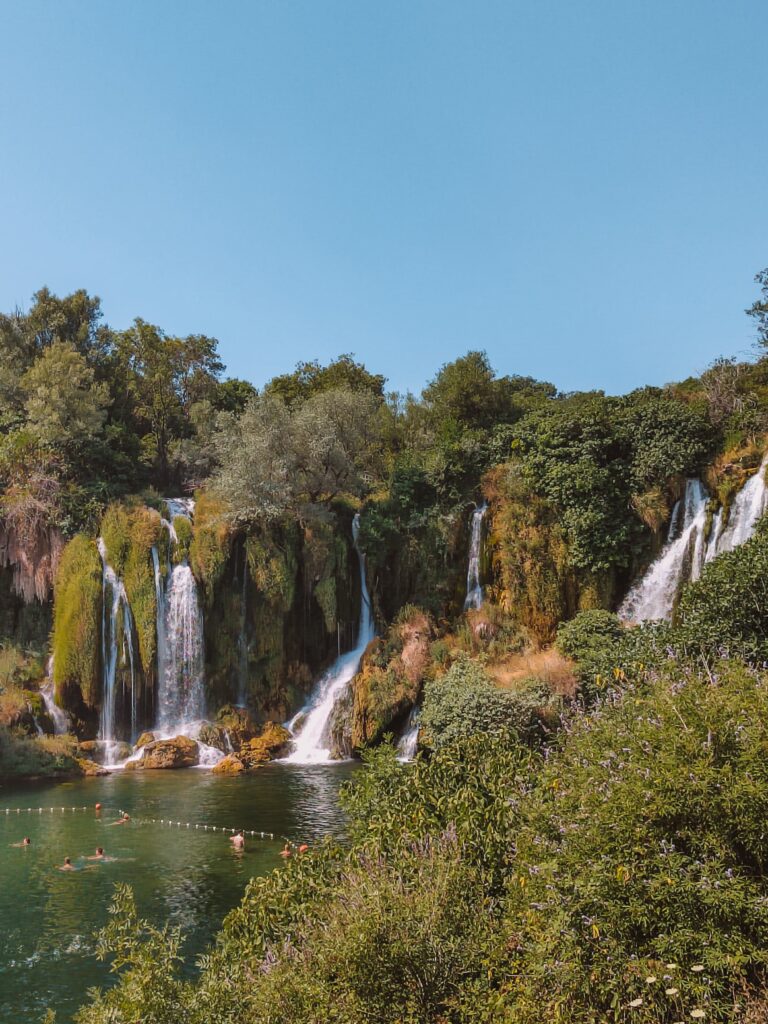
Bosnia has more waterfalls than most visitors expect. The best-known is Kravica — a wide travertine basin that turns turquoise in summer. But the Skakavac near Sarajevo, the cascades of Una National Park and the falls around Jajce are also worth the journey.
→ The 11 most beautiful waterfalls in Bosnia and Herzegovina (+ map)
Outdoor & Adventure Sports in Bosnia and Herzegovina
For rafting fans, the Tara Canyon is unmissable — one of the deepest gorges in Europe, green water, rapids. The Una National Park offers rafting and kayaking on one of the cleanest rivers in the Balkans. And for skiing: the Olympic slopes of Jahorina and Bjelašnica from the 1984 Games are still in operation — far quieter in winter than any Alpine resort.
If you'd like to experience the country's nature with local guides: cheyf.ba , my travel agency, organises individual outdoor experiences with certified partners — from the Perućica forest to the Sutjeska.
Food & Drink in Bosnia
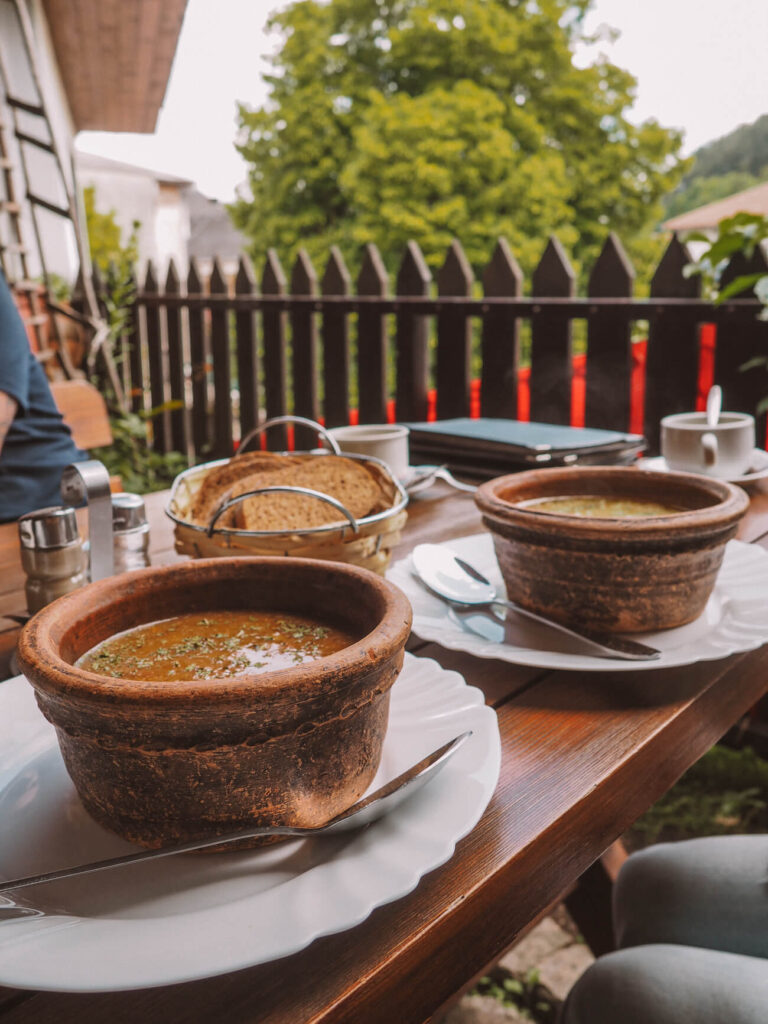
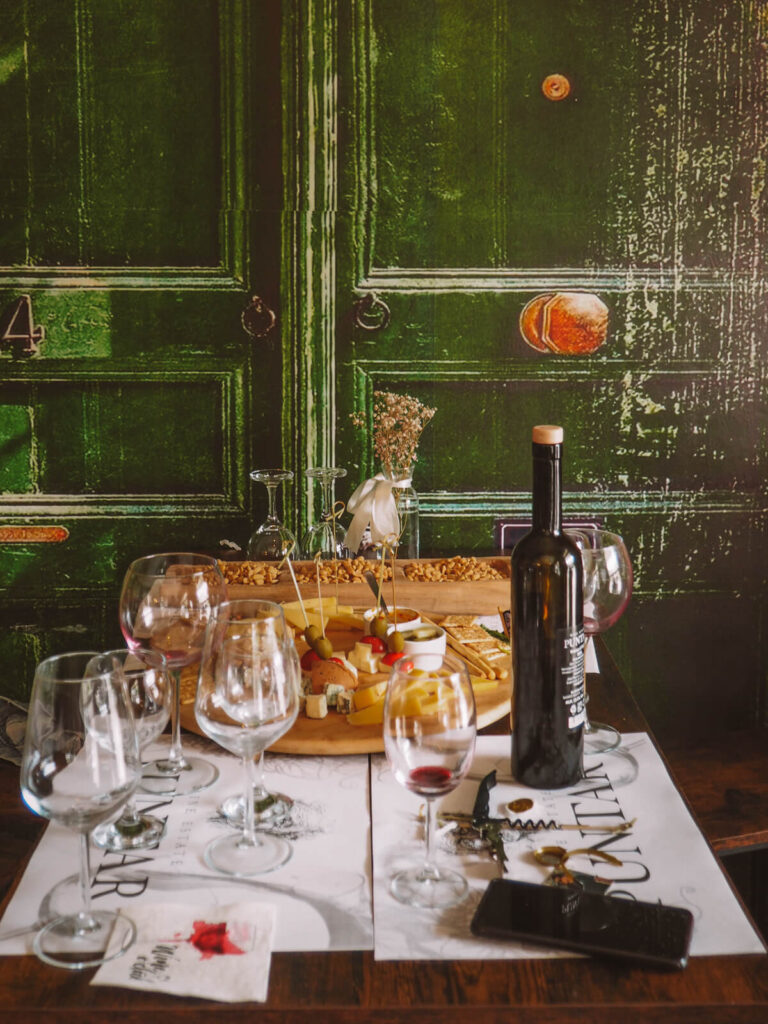
Bosnian cuisine is Ottoman and Austrian-influenced, generous and meat-heavy — and it will surprise you. Ćevapi, small grilled minced meat rolls in fresh somun bread, are the national dish everyone agrees on. Burek — flaky pastry filled with meat, cheese or spinach — works as breakfast, lunch and dinner. Klepe are Bosnian dumplings in yoghurt sauce; begova čorba is a rich chicken soup that no serious restaurant leaves off the menu.
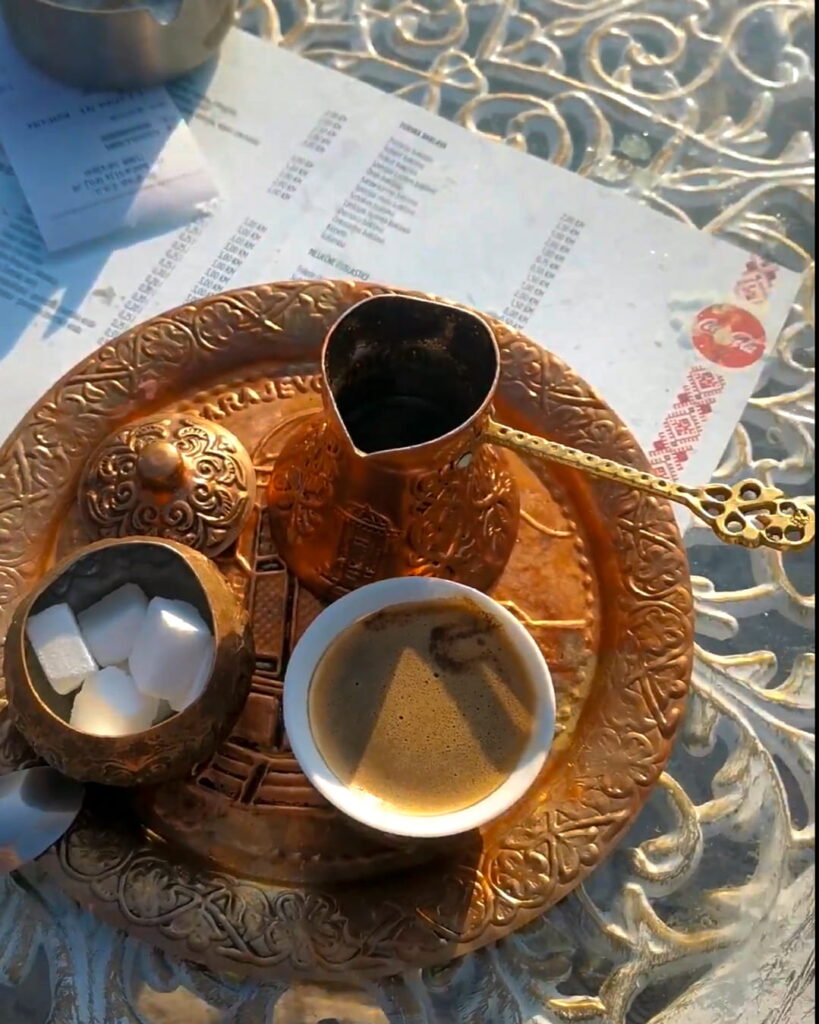
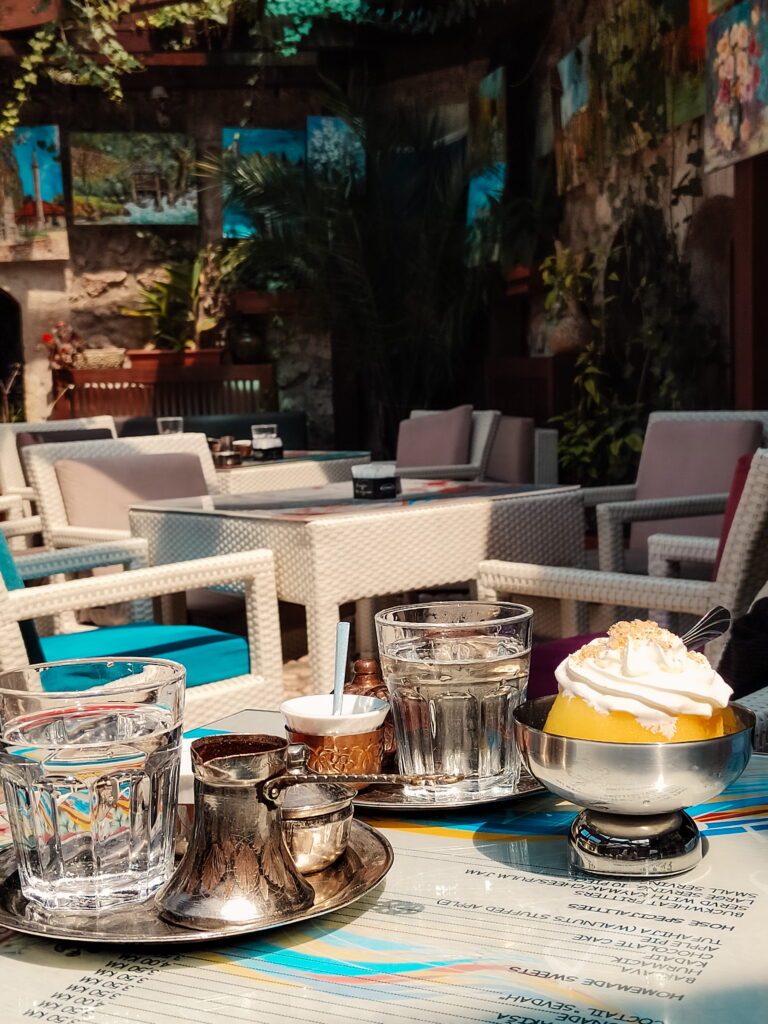
And then there's Bosnian coffee: not espresso, not Turkish — a coffee tradition on its own. Finely ground coffee brewed in a džezva, served with a piece of rahat lokum.
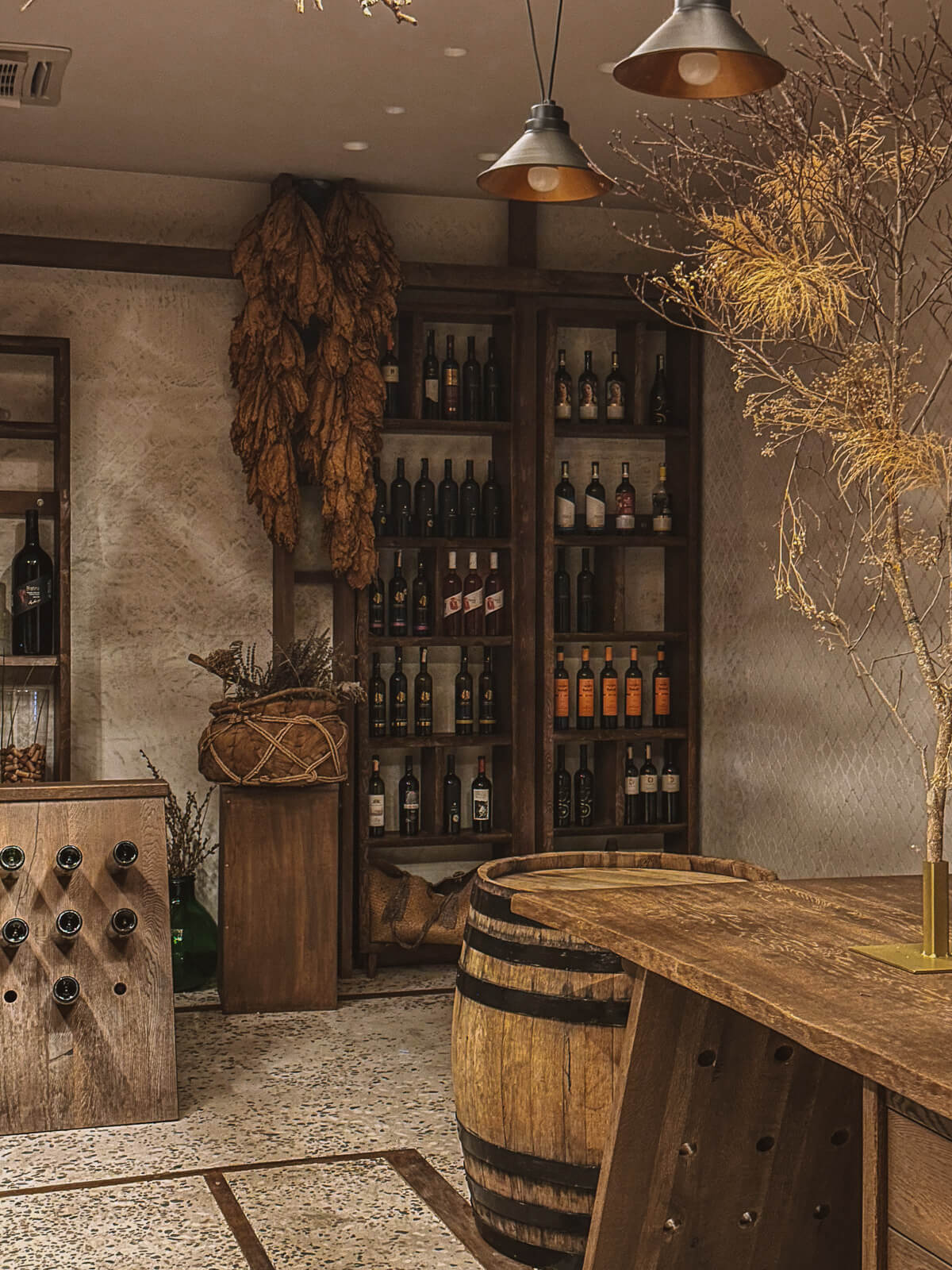
Those loving wine will be pleasantly surprised in Herzegovina: the region around Mostar and Trebinje produces Žilavka and Blatina — two indigenous grape varieties almost unknown outside the Balkans and absolutely worth trying.
More about food in Bosnia and Herzegovina
- What to eat in Sarajevo: 10 Bosnian foods you must try (+ where to eat them)
- The absolute best restaurants in Sarajevo (selected by a local foodie)
- The best Ćevapi in Sarajevo: find them here!
- The 8 best restaurants in Mostar | Local foodie guide
- Wine region Bosnia and Herzegovina: My favourite wines & wineries

Culture & Religion: What to Know
Women in particular often ask me: Can I dress however I want in Bosnia? The answer is yes! Bosnia and Herzegovina is a secular country and everyone can dress however they want. When visiting mosques and churches, men and women must cover their knees and shoulders. Headscarves are mandatory for women when visiting a mosque, but they are also provided if you don't have one.A question I often get, especially from women: can I dress how I want in Bosnia? The answer is: yes! Bosnia and Herzegovina is a secular country and everyone can dress as they choose. For visits to mosques and churches, knees and shoulders must be covered for both men and women; headscarves are required for women entering a mosque, but are also provided if you don't have one. Travelling to Bosnia for Ramadan? I've summarised everything you need to know here.
Bosnians are generally loud, sociable people who enjoy a joke — you'll definitely feel a southern European influence. Community and friendship are important values in Bosnian society: as a regular at a restaurant or bar you'll likely find a drink sent over at some point; at the market your purchase almost always comes with a few fresh flowers, an apple or a mandarin thrown in.
I often have the feeling that Bosnians have no filter. So don't be surprised if even strangers ask you not only how you like it in Bosnia-Herzegovina, but also what your life is like in Germany, whether you are married or what job you do.I often have the feeling Bosnians have no filter. So don't be surprised if even strangers ask not only how you're finding Bosnia and Herzegovina, but also what your life in Germany looks like, whether you're married or what job you do.
And it should go without saying that the Bosnian War is still a sensitive, traumatic topic. If you'd like to ask Bosnians about their past and the war, always remain tactful and understanding, and don't push anyone into a conversation they don't want to have.
Accommodation in Bosnia and Herzegovina — An Overview
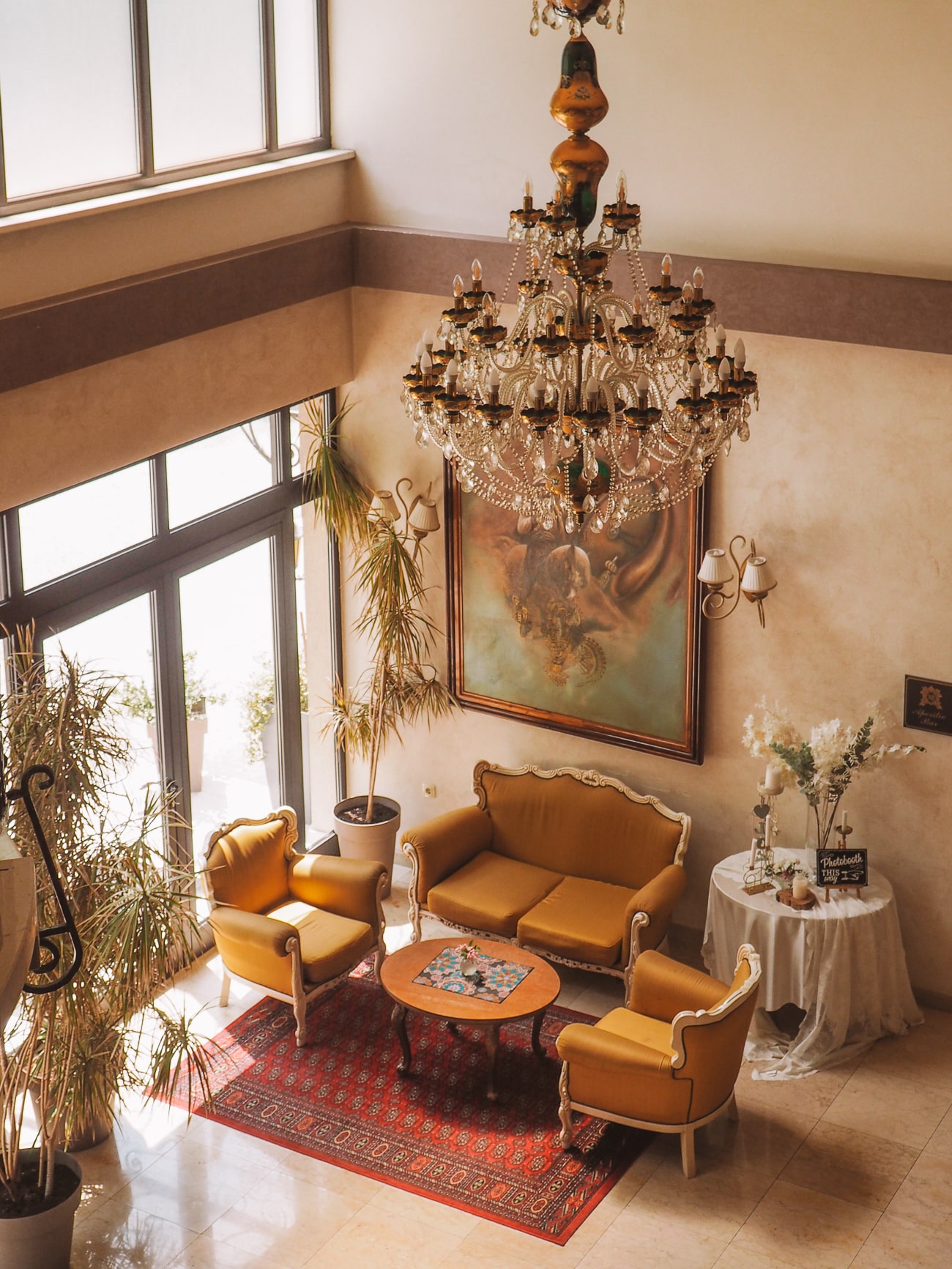
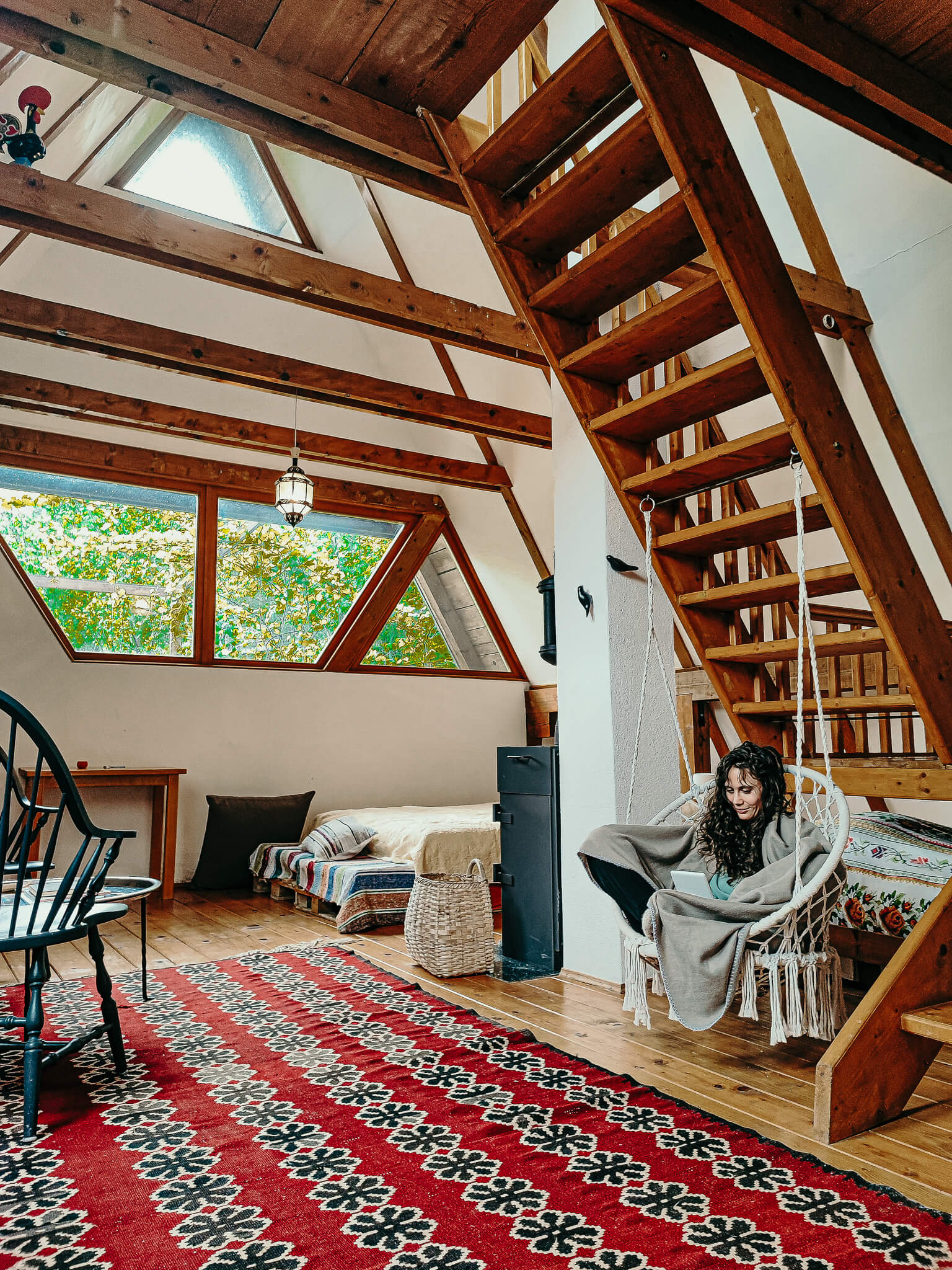
Bosnia and Herzegovina has everything — from boutique hotels in the old town of Sarajevo to sustainable lodges in the middle of nature. The choice is greatest in Sarajevo and Mostar, but even beyond the tourist centres there are remarkable places to stay: converted mills, eco-lodges in the mountains, family guesthouses that have been welcoming guests for generations.
My recommendations for unique and sustainable accommodation across the country I've put together separately — for anyone who doesn't want to end up in the nearest chain hotel.
→ 7 special accommodations in Bosnia and Herzegovina for your next trip
→ Sustainable accommodation in Bosnia-Herzegovina: In the middle of nature - The Herzegovina Eco-Lodges
→ The 17 best hotels in Sarajevo + the best neighborhoods to stay
Travel Bosnia and Herzegovina with cheyf.ba
For those who don't want to organise everything themselves — or who want to really get to know the country beyond the usual routes — I recommend travelling with us,cheyf.ba 🤗
We're a boutique travel agency my husband and I founded in Sarajevo. We work with local, certified partners and focus on responsible, sustainable tourism. From the Perućica forest to an individually planned journey through Bosnia and Herzegovina . .
Your Holiday in Bosnia and Herzegovina
You're now well-prepared for your vacation in Bosnia and Herzegovina. I hope this post has inspired you to explore this small Balkan country in depth.

 )
)